The European Union’s common charger directive came into effect back in December of 2024 and required most new portable electronic devices to ship with a unified USB-C connector. Back then, the EU Commission extended the transition for laptop manufacturers by an extra 16 months, and the grace period officially expired yesterday, April 28.
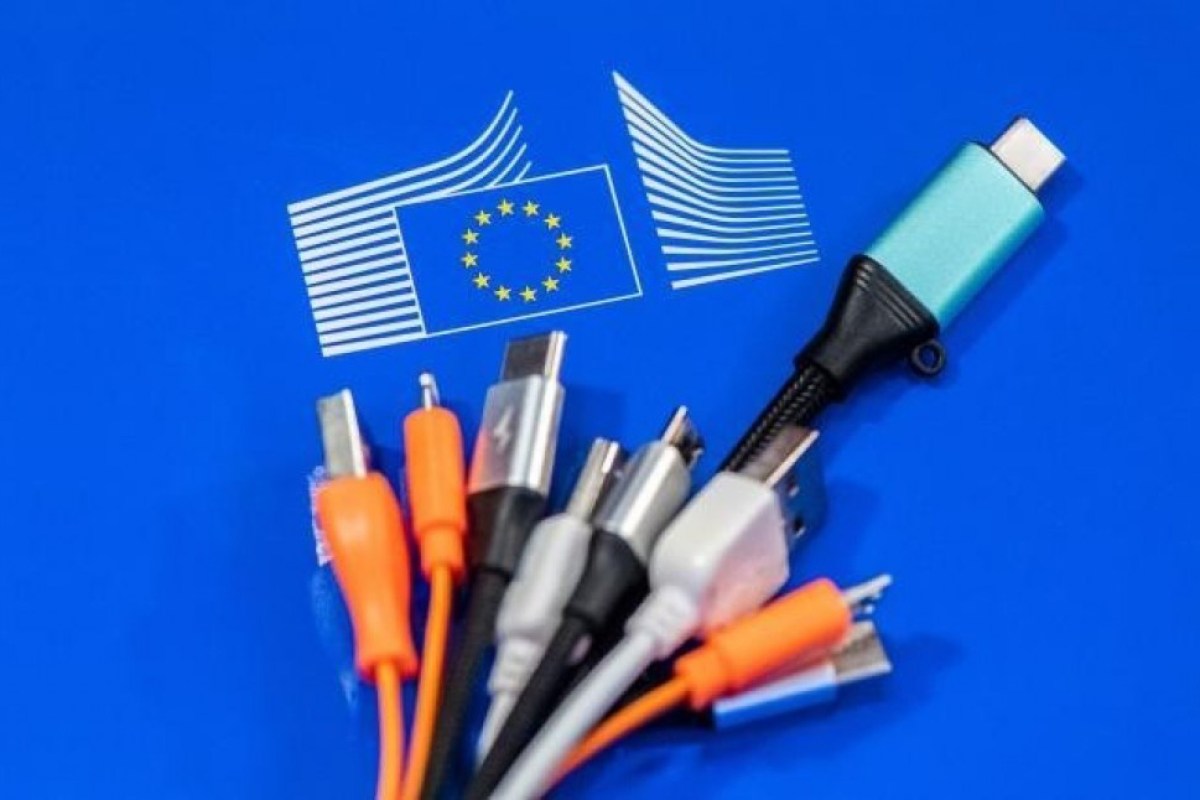
This means that all new laptops sold in the European Union are now required by law to feature at least one USB-C port for charging. The directive specifies that all laptops with a 100W or lower power rating are required to transition to USB-C charging. There is a small exception for devices exceeding that threshold, like gaming laptops, which can continue to ship with proprietary barrel-plug connectors, alongside the now mandatory USB-C port.
In addition, laptop manufacturers are also required to offer an “unbundled” packaging option for their devices, which essentially means selling laptops without a charger. This measure is tasked with reducing e-waste and incentivizing the reuse of existing chargers.
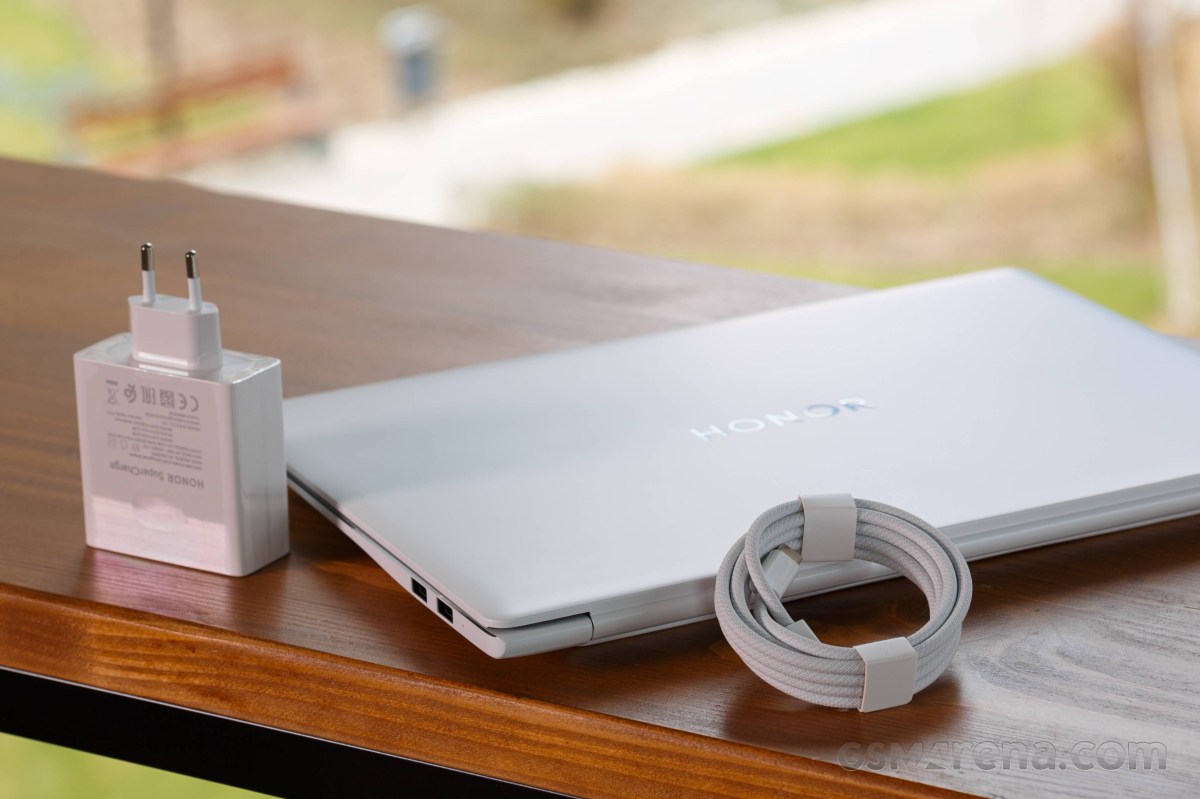
The new change affects all new laptops sold in all 27 EU member states. It does not affect devices currently on sale or second-hand models. The EU estimates that the switch to USB-C across portable electronic devices will save up to €250 million annually for customers and reduce up to 11,000 tonnes of e-waste per year.