Don’t ignore a drooping tomato plant. When heat hits and your prized tomatoes suddenly sag, they’re throwing up a red flag. It’s a heartbreaking sight, but that dramatic slouch is actually a cry for help.
Wilting is a copycat symptom for five completely distinct issues, from simple thirst to hidden pests. Guessing the cure can cost you your harvest, and applying the wrong fix could finish the plant off entirely.
Fortunately, most tomato drama is completely reversible once you know what to look for. Here’s 5 common reasons your tomato plant wilts and how to fix fast.

1. Underwatering

Tomatoes are thirsty plants that need 1-2 inches of water per week. During hot, dry summers, they need even more. If you’re watering on a schedule that made sense in spring, it probably isn’t enough now that temperatures have risen.
Check the soil 1-2 inches below the surface. If it feels completely dry, underwatering is the problem. Look at the leaves too. Dry, papery leaves confirm the plant isn’t getting enough water.
Increase watering frequency rather than dumping more water at once. Water more often with smaller amounts so the soil stays consistently moist without becoming soggy.
2. Overwatering

Too much water, on the other hand, causes wilting that looks identical to underwatering. The difference is in the details. Overwatered plants have thick, soft leaves instead of dry, papery ones, and the soil stays damp days after watering.
Overwatering promotes fungal growth and root rot. Roots suffocate in waterlogged soil and can’t absorb water properly, which ironically causes the plant to wilt despite sitting in wet soil.
Stop watering until the top 1-2 inches of soil feel dry. When you do water, apply it slowly and let the soil dry between waterings rather than keeping it constantly soggy. If recent heavy rain is the culprit, just let the soil dry out naturally and resume normal watering once it does.
3. Root damage

Moving tomatoes from containers to garden beds often damages roots. Small root breaks mean fewer roots absorbing water and nutrients. The plant wilts in the first few days after transplanting even if you’re watering correctly.
The plant will naturally regrow damaged roots without any intervention from you. Give it time and continue providing proper water and nutrition. Most plants recover within a few days as new roots develop.
If wilting persists beyond a week after transplanting, something else is causing the problem. Consider one of the other reasons on this list.
4. Pests
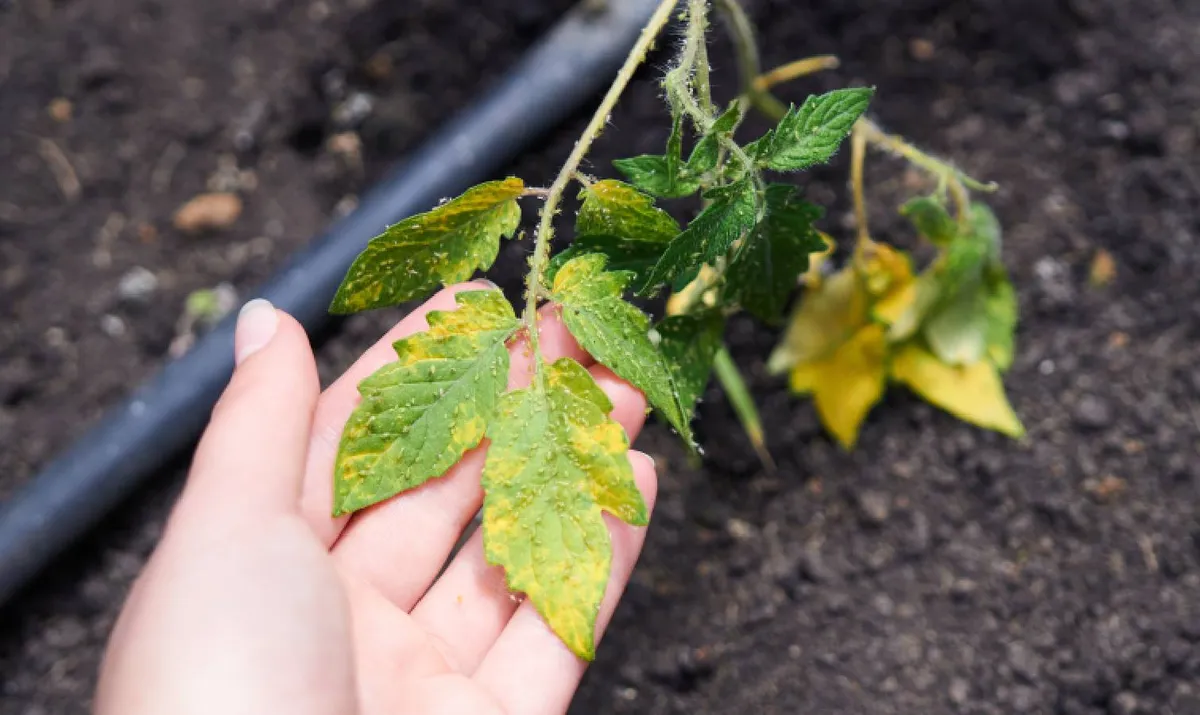
Sap-sucking insects like aphids, spider mites, and whiteflies drain vital fluids directly from tomato leaves, causing sudden wilting, curling, and eventual plant death.
Because these pests hide on leaf undersides, regular inspection is crucial — look closely for tiny bugs, sticky honeydew, or fine webbing. If your plants are actively wilting from a severe infestation, thoroughly coat all leaf surfaces with insecticidal soap every 5–7 days until they disappear.
You can also prevent this fluid loss naturally by interplanting basil, mint, or marigolds, around your garden borders to deter pests early.
Protect your plant’s natural defense system by avoiding broad-spectrum pesticides, which accidentally wipe out the ladybugs and lacewings that keep these wilting-inducing pests in check.
5. Over-pruning
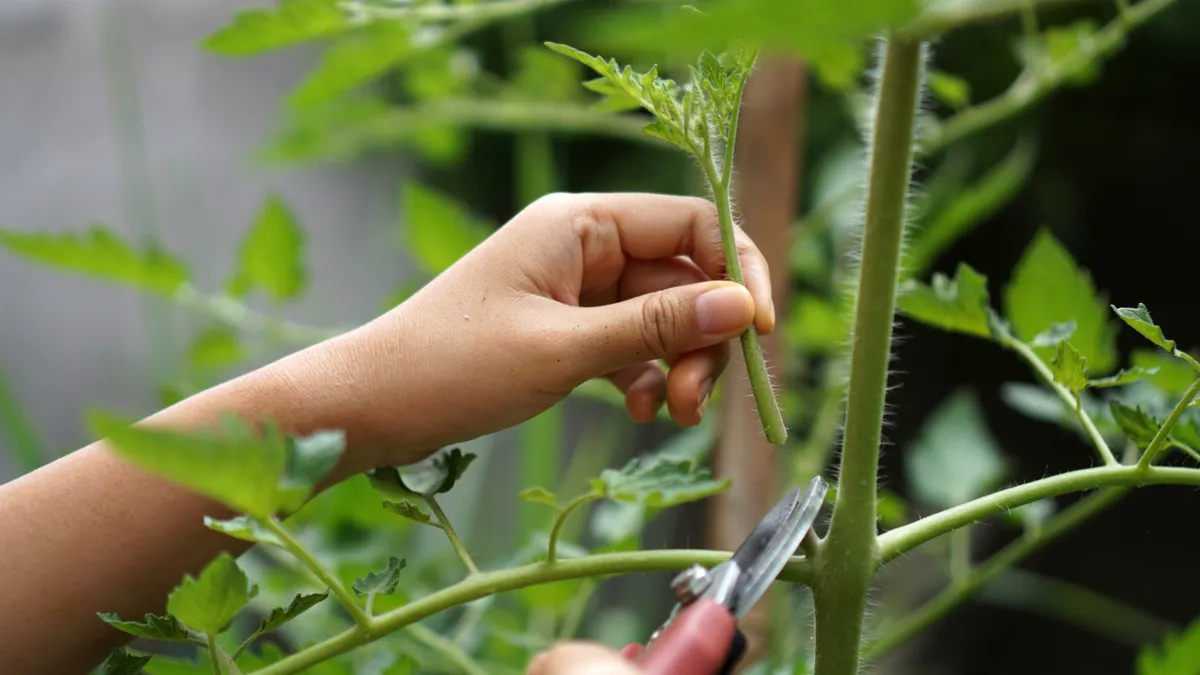
Pruning directs plant energy toward fruit instead of extra leaves. But aggressive pruning causes stress that makes plants wilt. If your tomato started drooping days after a heavy pruning session, stress is the cause.
Let the plant recover before pruning again. Focus future pruning on removing only the suckers between main and lateral stems rather than cutting back entire branches. Pinch these small shoots off with your fingers instead of using pruning shears for more aggressive cuts.
The plant will bounce back once it’s had time to recover. Resume normal care and wait for signs of new growth before considering another pruning session.

Follow Tom’s Guide on Google News and add us as a preferred source to get our up-to-date news, analysis, and reviews in your feeds. Subscribe to Tom’s Guide on YouTube and follow us on TikTok. Finally, you can visit our dedicated Tom’s Guide Savings Squad hub for expert help on getting the best products for less.