Xbox, and Microsoft in general, really reminds me of this old webcomic called Persistence, depicted above. It shows two dudes mining, as one gives up right before hitting diamonds.
I feel like this mentality has long been the bane of Microsoft all over, and its inability to see things through has led them to miss the boat on various computing paradigms and other types of opportunities.
We’re seeing it play out again now with Xbox. New leadership has come in, with a mandate from Microsoft higher-ups to “make Xbox sustainable,” whatever that means. This is despite the fact Xbox posted record profits last year. But decisions like this are made on future projections, rather than past wins.
Xbox has a variety of headwinds to contend with, as does the entire gaming industry. Xbox CEO Asha Sharma has suggested that Microsoft’s gaming division will finish the year with “only” a 3% accountability margin. The lion’s share of the blame falls on the ill-fated Xbox Game Pass price hike (now reversed), the memory availability crisis, and a soft year for both Call of Duty and Candy Crush Saga. But all of these things will abate over time.
Microsoft’s instinct has long been to cut and run at the wrong time. It’s potentially making the same mistake now, too, in my view.
Some of Xbox’s teams just haven’t delivered profitability Microsoft wants, but that’s not all on them

Rumors suggest that studios like Double Fine, Compulsion Games, and Ninja Theory are all being explored for closure right now — with others too likely on the block.
Nothing is set in stone yet, but these talks are happening. CEO Asha Sharma is going over the books and seeing how much has been spent on certain studios, and what their returns have been. It’s true that none of these studios have delivered a hit game since joining Microsoft, in terms of retail sales or Xbox Game Pass engagement. It could also be argued that they weren’t exactly positioned for massive success stories either.
Ninja Theory, in particular, is a frustrating case. The UK had a particularly aggressive Covid shutdown regime, which Ninja Theory can hardly be blamed for. They also spent a huge chunk of time moving studio locations. Ninja Theory is also based in Cambridge, one of the UK’s most expensive regions.
Hellblade won awards for its character acting, technology, atmospherics, and depiction of mental health struggles. But I would argue it was on Microsoft’s leadership for not identifying the hard truth: interactive walking simulation games just aren’t big sellers. It’s particularly true when Hellblade is at least superficially similar in presentation to Sony‘s God of War, albeit without the gameplay depth to complement it.

I’m not armed with intimate knowledge of how Hellblade 2 was greenlit in this genre, but the solution to its soft sales was readily obvious to me and anyone else watching: it should’ve been an action-adventure title, meeting the market demand where it is. We’ve seen a huge variety of superficially similar hack n’ slash games absolutely blow up on comparatively smaller budgets. Stellar Blade comes to mind, Lies of P comes to mind as well.
We’re finally getting Hellblade in the genre it was always destined to be with Senua, which Microsoft announced at its own Xbox Showcase just a few days ago, only for reports to emerge that Xbox isn’t even going to see it through to completion.
As a fan and customer who is tired of Microsoft’s “announce first, then cancel” approach to games people have been waiting years for in some cases … this is an absolutely awful pill to swallow. Again. But it’s far worse knowing the human cost of these cancellations. Ninja Theory has never been given the runway to fully spread its wings.
Covid wasn’t Ninja Theory’s fault. And someone, somewhere along the chain, should’ve identified that Hellblade 2 wasn’t going to be a big game in the genre or budget it had been saddled with. Someone, somewhere along the chain, should’ve invested in it becoming something more.
Studios eventually have to sell games, but how can they if Microsoft keeps thinking so quarterly about things?

There have been a large variety of projects greenlit under Xbox Game Studios that they had to have known were never going to sell or get any kind of engagement in Xbox Game Pass. Keeper from Double Fine, for example, is a great and fun art project, but in an era of restless non-stop neon lights grabbing our attention-deficient brains at every angle, how can these types of projects cut through the noise?
The pressure Microsoft puts on Xbox to deliver “results; now,” betrays the reality of modern game development. Games need to either be turbo-unique, cultural phenomena, or absolute AAA bangers. South of Midnight, Kiln, Keeper, Hellblade 2, and even Avowed and The Outer Worlds 2 didn’t have the scope, polish, edge, or marketing budget to compete with very similar titles that either do it better or just grabbed more attention.
The studios and teams backing the games ultimately work with what they’re given. Those who have been around long enough remember Xbox’s anemic Terry Myerson era, where the products being shipped barely even hit AA quality bars. What would Avowed or The Outer Worlds 2 have looked like with a more dynamic world or reactive engine? What would Hellblade look like if it were a wide-linear action-adventure instead of a walking simulation? Do smaller projects like Keeper and Kiln detract development time from a more ambitious project? What if South of Midnight had better combat and a broader scope?
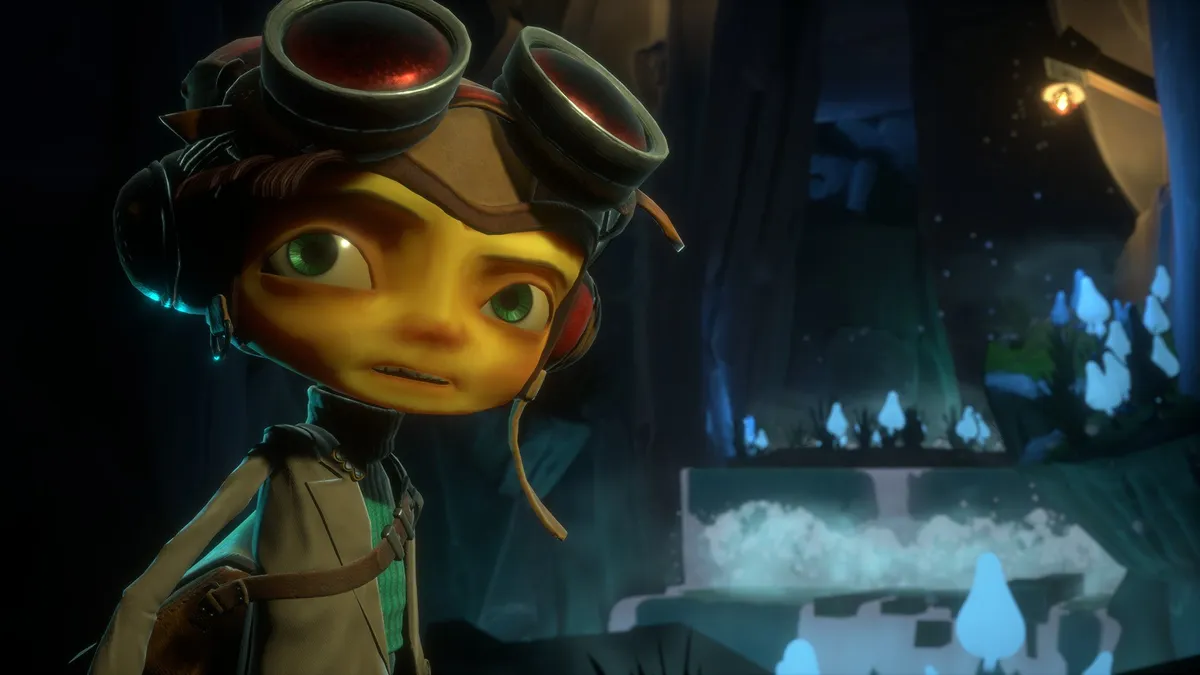
I wish we lived in a world where important and artistic games like Keeper and Hellblade 2 could thrive. Xbox Game Pass funds were supposed to be that. But we don’t live in that universe, and likely never will. I would argue it’s on Xbox Game Studios to guide and invest in the creativity of its teams, steering them towards the kind of quality bars we know Xbox is capable of. We’ve seen it emerge with Gears of War: E-Day, Clockwork Revolution, State of Decay 3, Fable, Grounded 2, Sea of Thieves, Forza, and so on.
The talent is clearly there. I know Microsoft isn’t going to listen to me or any of us, but I would love to see what would happen if these studios were given a chance at a longer runway. Acknowledge that previous management mistakes were not their fault, and things like Covid surely represent mitigating factors.
RELATED: Xbox fans have run out of trust for Microsoft
Alas. CEO Satya Nadella betrayed his position on a recent interview where he bemoaned the fact “there’s more monetization of Xbox games happening on YouTube than at Microsoft …” I would argue that it’s a privilege that so many millions of people want to talk about, watch, and share content based on those worlds. Perhaps there’d be more video monetization going on at Microsoft if it hadn’t bailed out on growing Mixer … but I digress.
Nadella takes the wrong lesson from gaming’s popularity on YouTube. The value and interest are obviously there. It’s Microsoft’s fault for not unlocking that value properly — and the developers shouldn’t be punished for it.
How are you feeling about the state of Xbox? Should Xbox give their studios more time? Let us know your thoughts below.

Join us on Reddit at r/WindowsCentral to share your insights and discuss our latest news, reviews, and more.