OpenAI wants to make ChatGPT safer for teens, and the changes go well beyond a simple content filter. In a new update, the company laid out its stance on why teens should have access to AI in the first place, arguing that keeping them away from it entirely would leave them unprepared for one of the defining technologies of their generation.
Nearly 90% of teens already use ChatGPT weekly for learning, research, or getting organized, which is why OpenAI says access needs to come paired with real protections built for their age.
How is OpenAI protecting teens while they use ChatGPT?
ChatGPT now uses age prediction to automatically apply a more age-appropriate experience whenever it estimates a user is under 18. If the system is unsure, it will default to the safer teen experience. That includes stronger safeguards against harmful content like graphic violence, self-harm, unhealthy body image, and risky viral challenges.
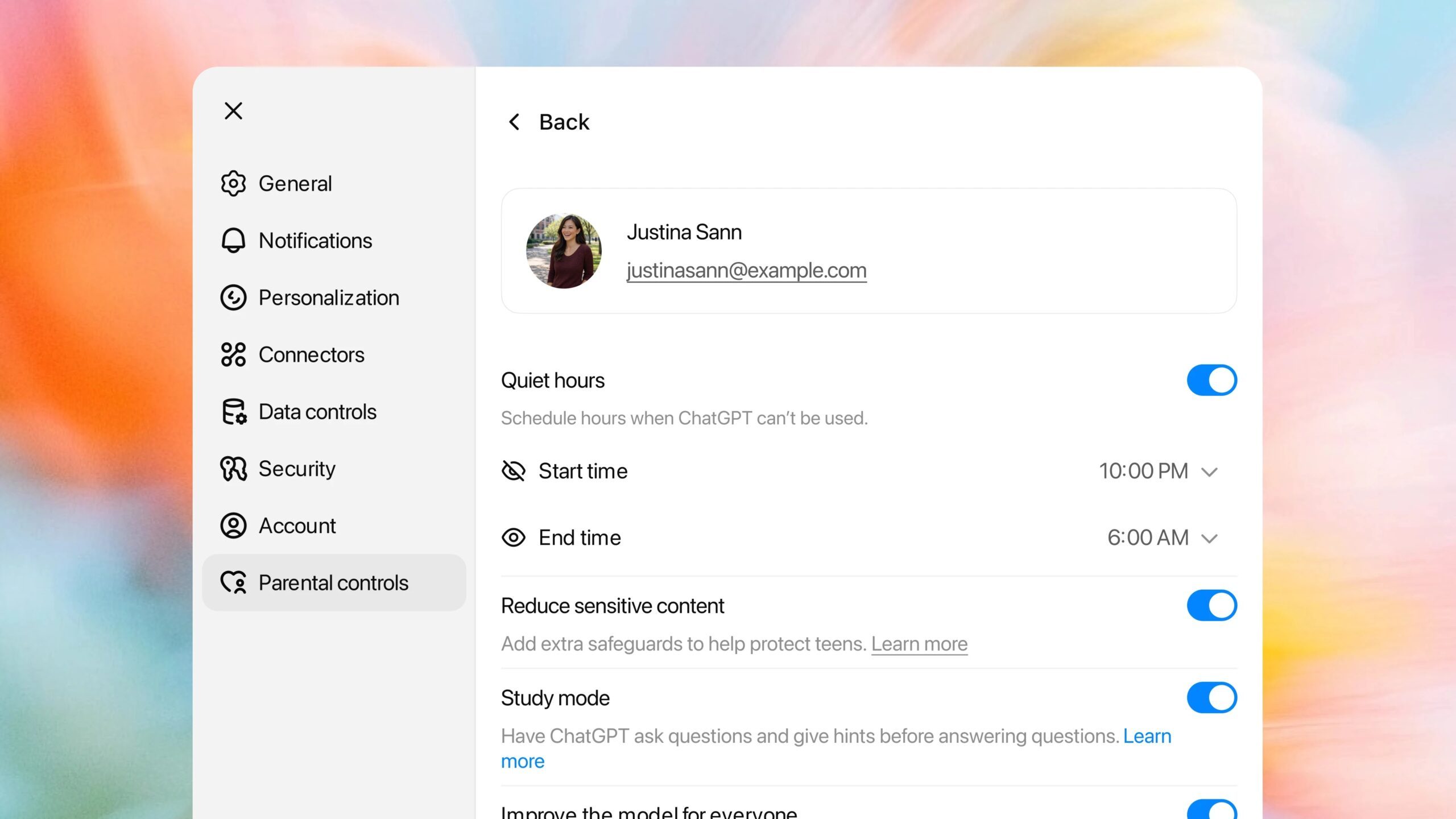
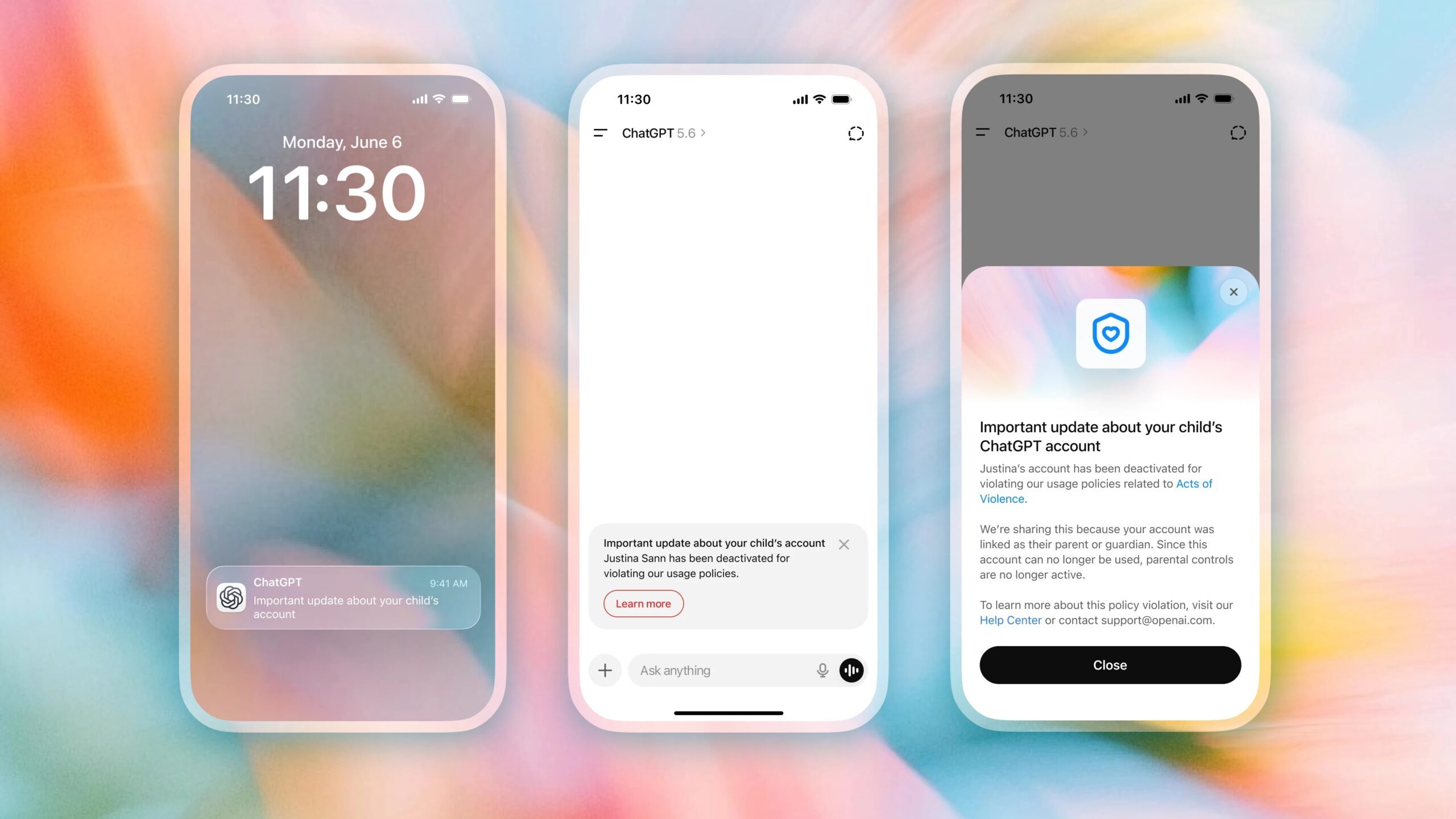
Teens will also start receiving more frequent break reminders during long sessions, encouraging them to step away. Parents get expanded controls too, including the ability to set Quiet Hours, disable Voice Mode, manage access to image generation, and receive notifications in certain high-risk situations, including signs of potential self-harm.
What learning tools is OpenAI rolling out for teens?
A big piece of this update focuses on helping teens actually learn rather than just get quick answers. Study Mode, developed alongside teachers and learning experts, walks students through problems step by step instead of handing over solutions outright.
Parents can now turn Study Mode on by default for their teen’s account directly through parental controls. OpenAI has also added new starter prompts built for schoolwork, along with interactive math and science tools that now reach 18 million weekly users across more than 250 topics. OpenAI says these measures will give teens access to AI while ensuring learning, creativity, and safety remain the priority.