I assumed more AI access might help students learn faster. However, a new OECD study dispels that misconception for me and everyone else who gave their children a paid version of AI chatbots, thinking it would help them through their educational journey.
According to PISA 2025 data from 760,000 students in 91 countries, students who use AI daily score meaningfully worse on standardized tests than their peers. The full picture is more complicated than a simple ban would fix.
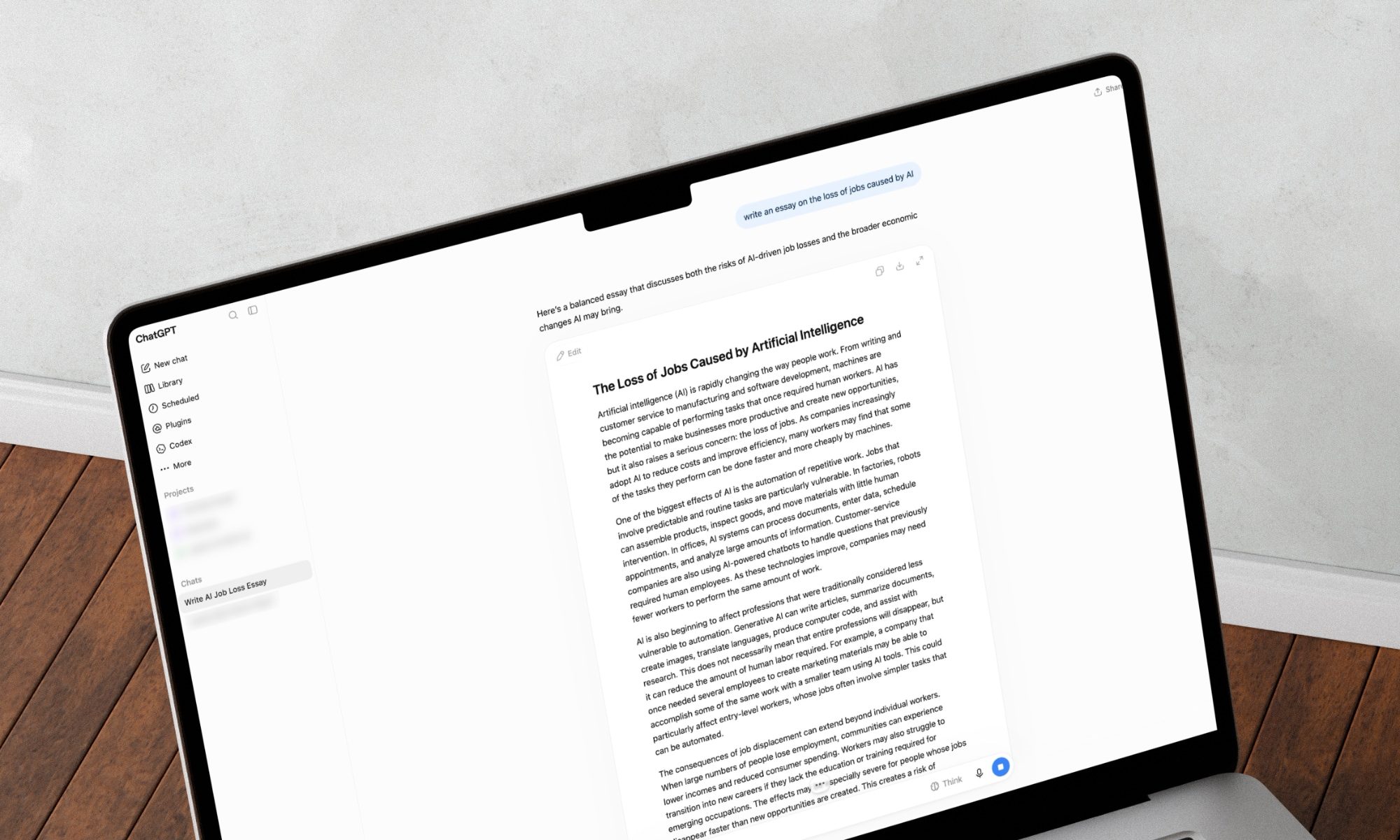
So what exactly does the data show?
Daily AI users trail their peers by up to 28 points on science tests. The gap, per the research, is equivalent to roughly a year and a half of schooling. However, don’t rush into believing that less AI use is automatically better.
Students who use AI once or twice a week outscore both daily users and those who don’t use it at all. Those who’re using it to learn something are apparently performing better than those who use it to finish tasks faster.
Students regularly asked to critique AI-generated answers in class saw science scores climb 13 points, which is about half a year of additional progress.
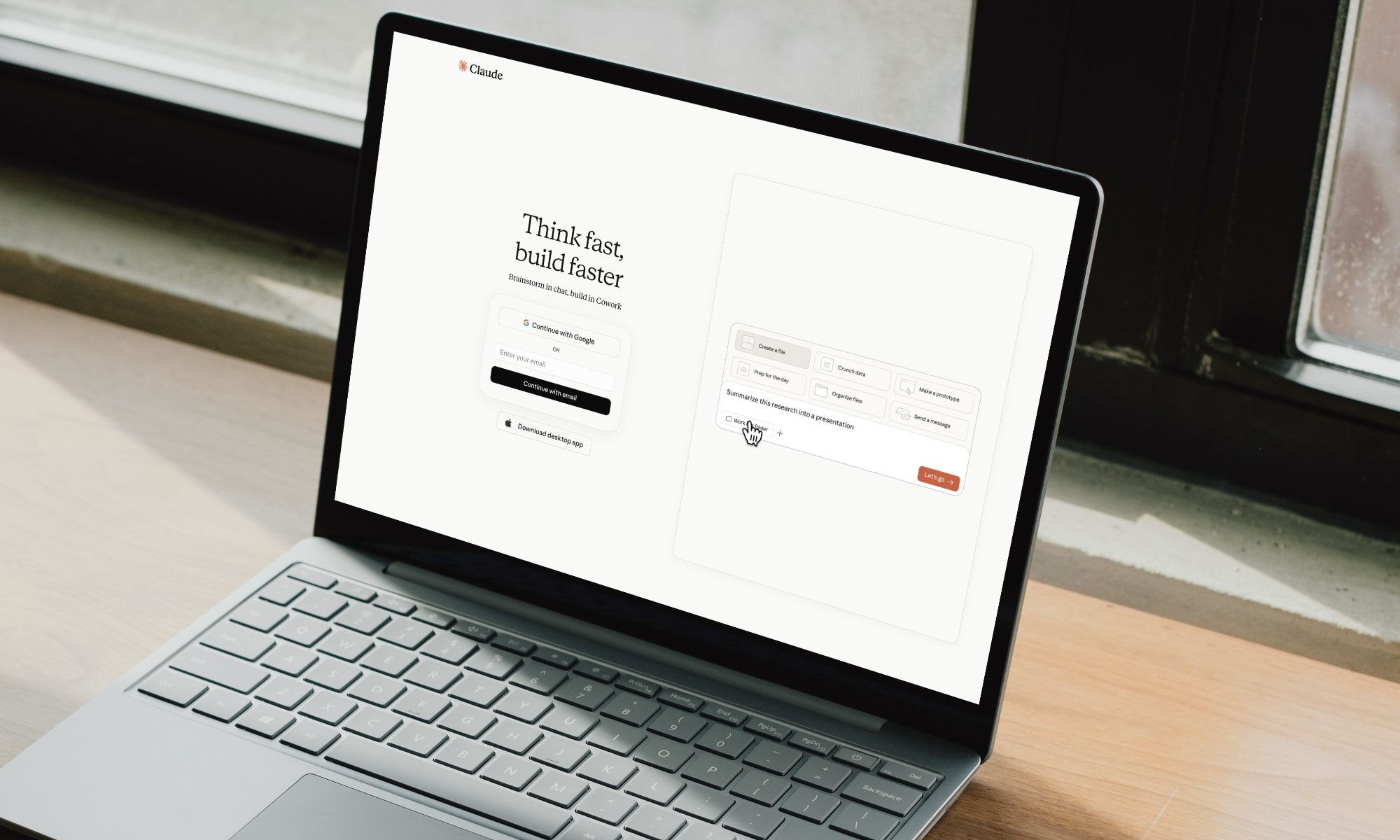
Why does heavy use backfire?
OECD’s Andreas Schleicher (via Bloomberg) frames the difference in a simplified manner. AI is most beneficial when it supports some mental effort. That could be learning something new or how to do something, rather than getting it done.
A staggering 86% of students use AI for schoolwork at least once a year. However, their usage varies wildly by region. For instance, nearly 40% of Japanese students say they rarely touch it versus just 4% in Vietnam.
Related policy frameworks are catching up fast, too. New York City just banned AI tools for elementary and middle schoolers. MIT says it needs to redesign coursework, especially since AI can complete most undergraduate assignments.
If you’re a student reading this, using AI-powered chatbots like ChatGPT, Claude, or Gemini to learn new concepts, ask follow-up questions, and use it as a superhuman professor is the right approach.