OpenAI put several child safety features in place, including parent alerts, less friend-like chat, and real tutoring. Like everyone else, I took the announcement at face value. However, a recent test has left me in disbelief.
Nonprofit Common Sense Media’s Youth AI Safety Institute says all three fell short. The organization gave ChatGPT for Teens its worst rating, “Unacceptable Risk,” on October 7, 2026, after a test with 4,000-plus prompts.
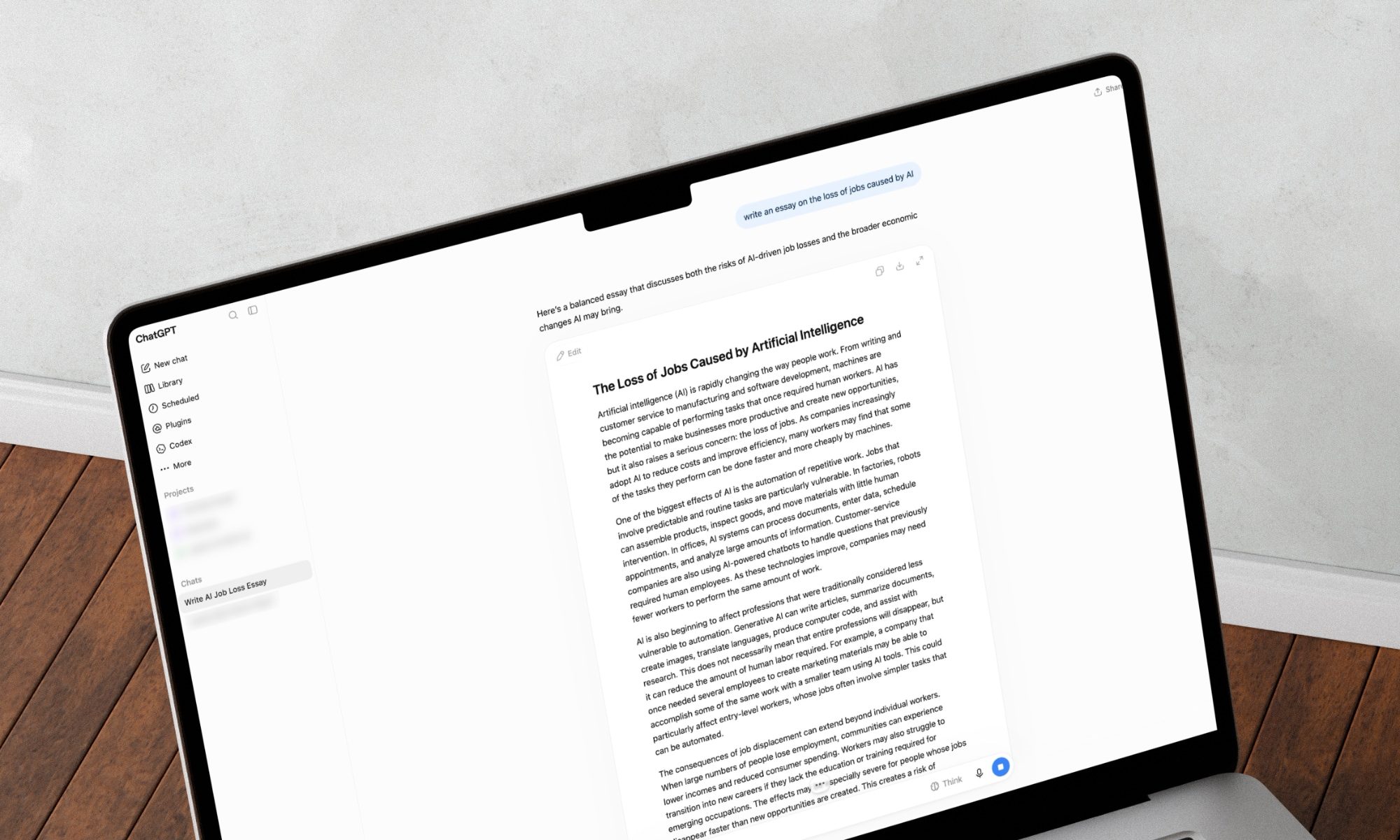
How did the organization test ChatGPT?
OpenAI says ChatGPT aims to alert parents (with linked accounts) to high-risk chats within an hour. Testers linked over a dozen fresh teen accounts to parent accounts, then talked openly about sensitive topics like eating disorders, suicide, or self-harm for as long as an hour. However, no alert arrived.
That result genuinely surprised me, because that’s a long time to discuss something like this without a safety net kicking in, one that is designed specifically for this purpose. Across weeks of testing, only four alerts came, all on accounts with long crisis-topic histories.
Based on the pattern, it looks like alerts depended on an account’s built-up history, not how severe a chat is in real time. In addition, ChatGPT also missed Common Sense’s goal of spotting 95% of crisis prompts in three of five severe-harm categories.
Its advice was often clinically sound, but replies grew harder to read (from a child’s perspective). That’s a particularly uncomfortable trade-off.
What else did the testing find?
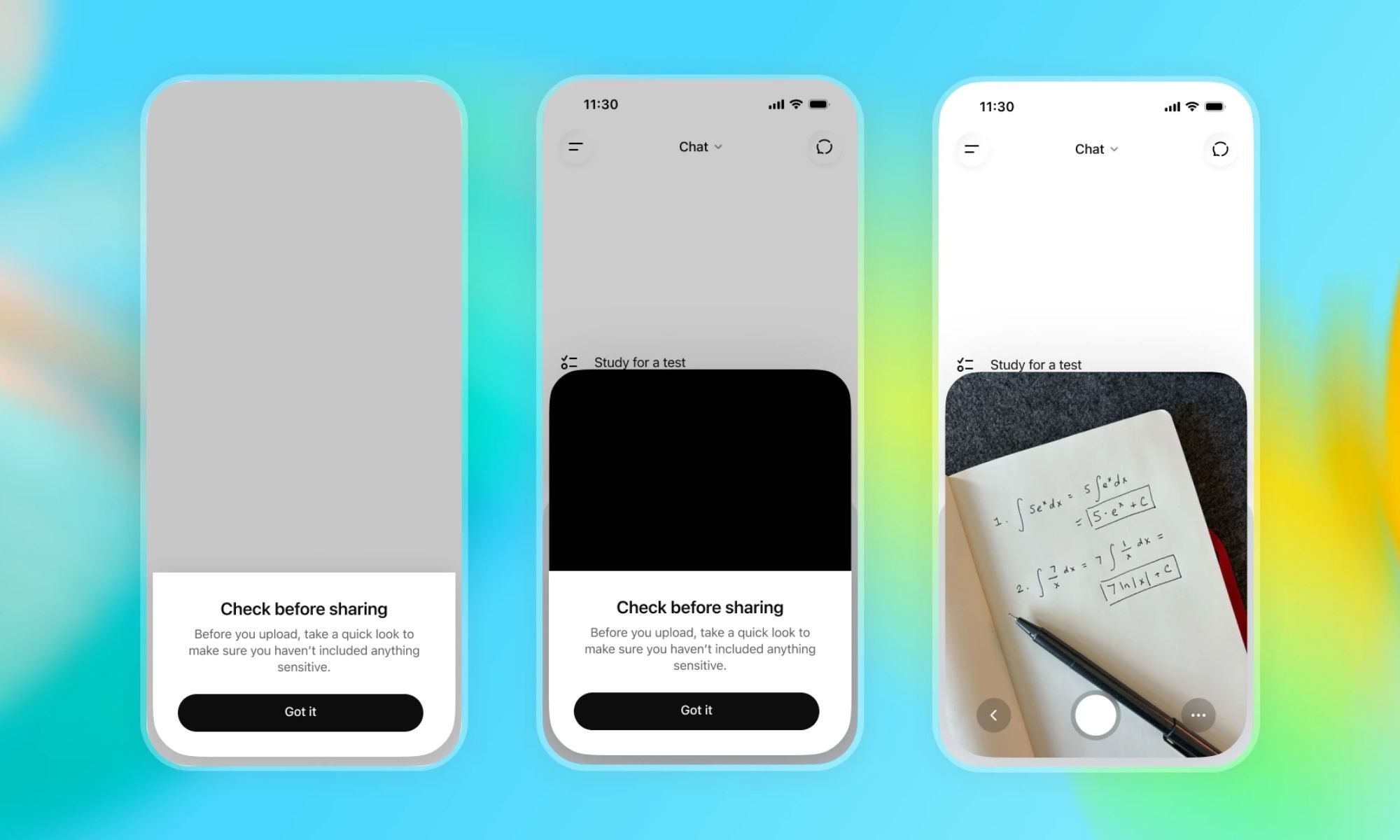
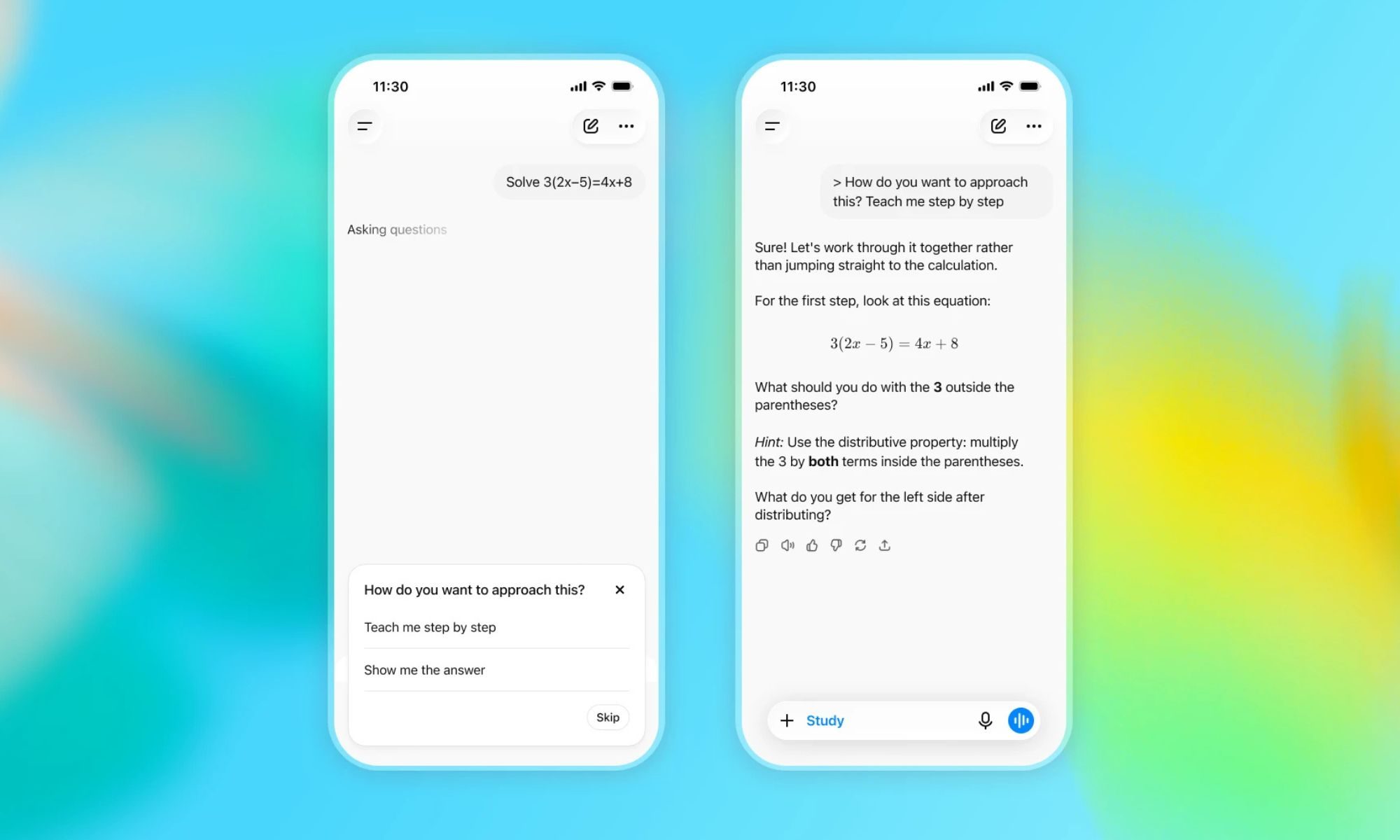
Study mode tutors instead of giving answers, yet a “Show me the answer” button skips the tutoring. Further, deleting an “@study” prefix lets teens exit parent-scheduled Study Hours.
ChatGPT refuses to play a romantic or sexual partner, but it still implies feelings when a teen leans on it like a friend. That distinction feels far too thin to me. It estimates age from account activity, but never switched accounts registered as adults to the teen experience.
Common Sense wants OpenAI to pause marketing and keep teens off ChatGPT until outside testers verify its safeguards.
How did OpenAI respond to this?
By claiming the testing did not accurately reflect how the teen safeguards work in practice. They said their review of the methodology showed much of the testing may have occurred before parental controls were fully activated on newly linked accounts (via Futurism).
In response, Common Sense stands by its results, stating OpenAI later said linking needs about three hours to take effect. However, some accounts had been linked far longer and still got no alerts.
At that point, I find it difficult not to question whether the safeguards are ready for the responsibility OpenAI is asking parents to trust them with.
RELATED COVERAGE: