Google is making links in its AI answers harder to miss. However, will that send more people to the open web? At least the company is trying.
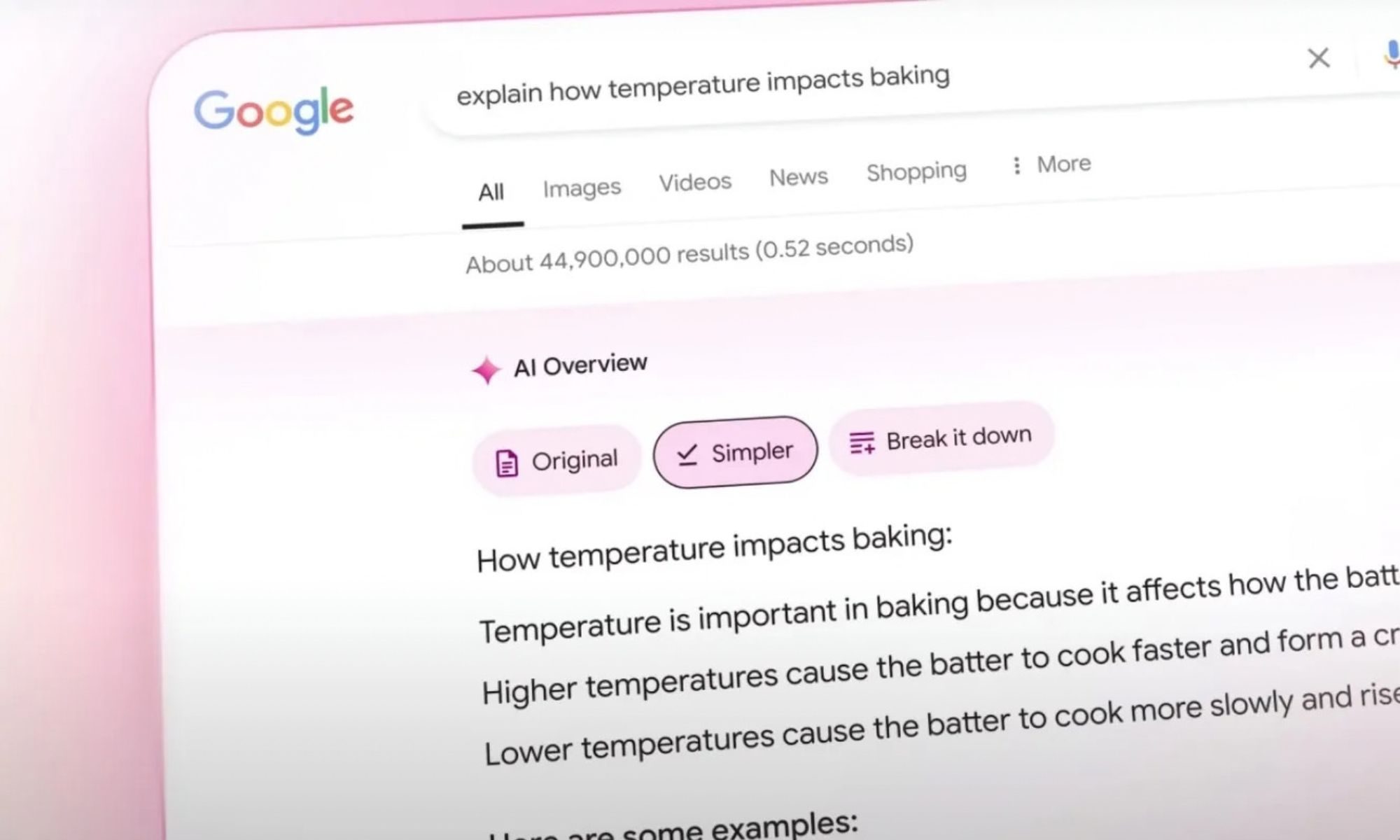
The search giant announced changes to AI Mode, its chatbot-style search tab, and AI Overviews, its AI-generated summaries for search queries. The updates make links more prominent, add image previews, and include an experiment for highlighting official websites.
What is Google changing in its AI answers?
Inline links, the clickable words woven into an AI-written answer, will appear higher up and more often, to make key sources easier to find. Google is also redesigning the “Dive Deeper” section at the end of some answers with image thumbnails. The idea makes sense to me.
If Google wants people to explore the internet beyond its AI summaries, it needs to make those links (the web addresses) more noticeable. The company is also testing another feature that highlights official websites when only one or two best suit a task or provide specific (or exclusive) information.
The section appears above the AI answer and explains why each link is useful. From where I’m looking at it, it can help users reach the right destination without digging through a list of results.
What else is new, and will publishers benefit?
Apart from the links update, Google is expanding article carousels, which display swipeable rows of timely stories, to more regions and languages. These include publications users have selected through Preferred Sources.
The company is also experimenting with video results in AI Mode, where clicking a creator’s or publisher’s name takes users to their Google Search profile instead of directly to their website. Though these profiles give more information about eligible creators and their work, they add an extra step instead of sending users directly to a site.
The company began placing links alongside AI-generated text in May and also highlighted articles from users’ news subscriptions. These changes appear to address concerns that AI-powered answers keep users on the Google homepage instead of sending them to the websites that actually provide the information.
RELATED COVERAGE: