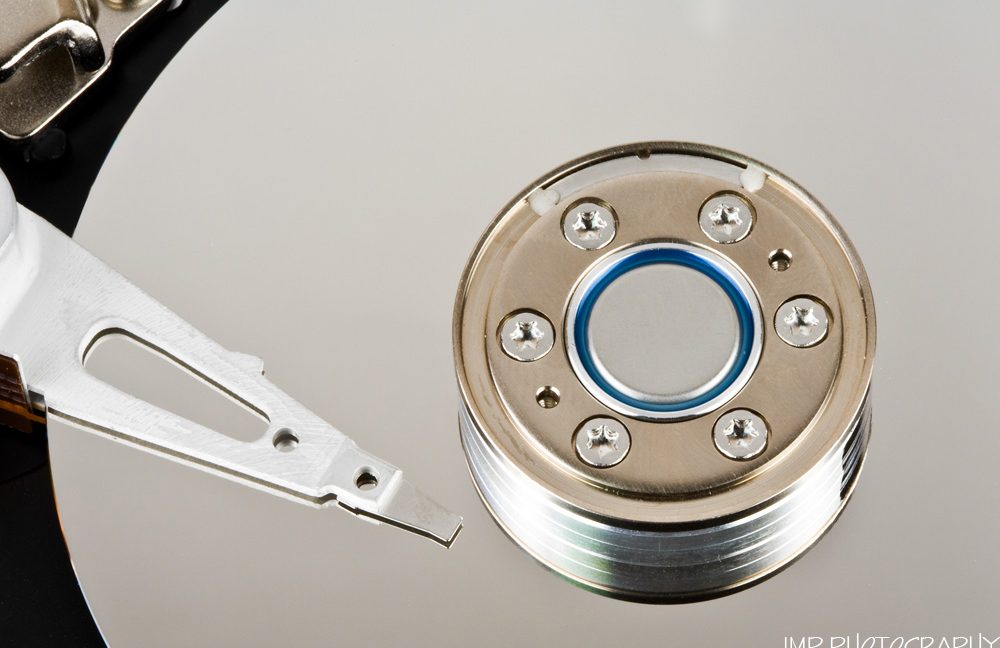
Hybrid drives had largely fallen out of fashion since their heyday in the early to mid 2010s. The promise then was similar to what Seagate is offering now. A large HDD is combined with a smaller SSD and handed to the user as a single storage pool. Apple introduced its own hybrid solution back in 2012 with the Mac mini’s Fusion Drive. When Ars opened up a unit, the Fusion Drive system was found to write in 128KB tiered blocks. Information was generally written to the SSD first, and was then migrated to the HDD as needed. If the files were frequently used, they might find a more permanent home on the SSD side of things.
As solid-state storage continued getting cheaper, the hybrid approach was largely abandoned. Fast-forward to our current storage cost predicament in 2026, and Seagate’s line of thinking that everything old is new again starts to hold water. All storage costs have exploded, but the 2012 math still works today. NAND flash is still fast, but expensive, and traditional mechanical drives are at least comparatively cheaper per TB for higher capacity storage.
The problem with Apple’s Fusion solution was its fragility. If one of the two drives failed, that was likely it. Recovery depended on both drives coming together as a single volume. If one of those two disks experienced a physical failure, recovery became difficult since the remaining working drive depended on the now broken drive’s data to rebuild the full system picture.
According to Seagate’s press release, the Alkemi intelligent storage platform takes a different approach. Where Apple’s Fusion Drives used tiering managed by macOS, Alkemi manages the storage pool directly from the enclosure. Seagate says, “Alkemi learns and adapts over time to keep high-demand content fast and accessible on a user’s SSD, while the HDD provides space for growing libraries. Behind the scenes, Alkemi manages data placement, giving users the simplicity of a single storage drive.” The product data sheet PDF from the FireCuda Forge website describes the Alkemi system as a two-tier storage system, but doesn’t elaborate any further on whether the system uses SSD caching, automated tiering, a combination of the two, or something else entirely.