I’ve tested dozens of productivity systems with AI. Many of them are useful and I implement them weekly if not daily. But sometimes, the problem isn’t the application or the system, but my own hesitation just to get started.
I often distract myself or start a new project literally while working on something else. It’s both a toxic trait and a gift. But when I finally noticed myself spending too much time thinking about the perfect project or the perfect plan or even the perfect time to start, I realized I was just spinning my wheels. Instead of using all my favorite AI tools to move faster, I was using it to delay action. Let’s just say, going down a deep research hole with NotebookLM is not easy to escape.
That’s when I borrowed a principle from Jeff Bezos: ‘Day 1 thinking.’ Here’s what that looks like and what happened when I made it part of my workflow.
What is the ‘Day 1’ rule?
Bezos has long warned that “Day 2” is stagnation. Essentially, it implies that it’s where companies drift into irrelevance through slow decisions, bureaucracy and overthinking. Day 1, by contrast, is about staying flexible, experimental and focused.
Article continues below
I realized my AI workflow had slipped into Day 2. I had too many tabs, too many saved prompts, too many Projects and too much “optimization” that I thought was helping, but ultimately was holding me back. In other words, I was way too focused on preparing to work and what the outcome would look like, rather than the work itself.
For me, this could look like planning out a whole Saturday to work on cleaning out the garage but spending way too much time scheduling, thinking about quick meals to keep the momentum going and what to do if the weather shifted. Or, professionally, it could mean overthinking the prompts, deciding what to write or worrying if anyone would read it at all.
So, I buckled down and for one week applied Day 1 thinking to every AI interaction. Here is how I changed my workflow — and the prompts that finally killed my procrastination.
The 70% information rule
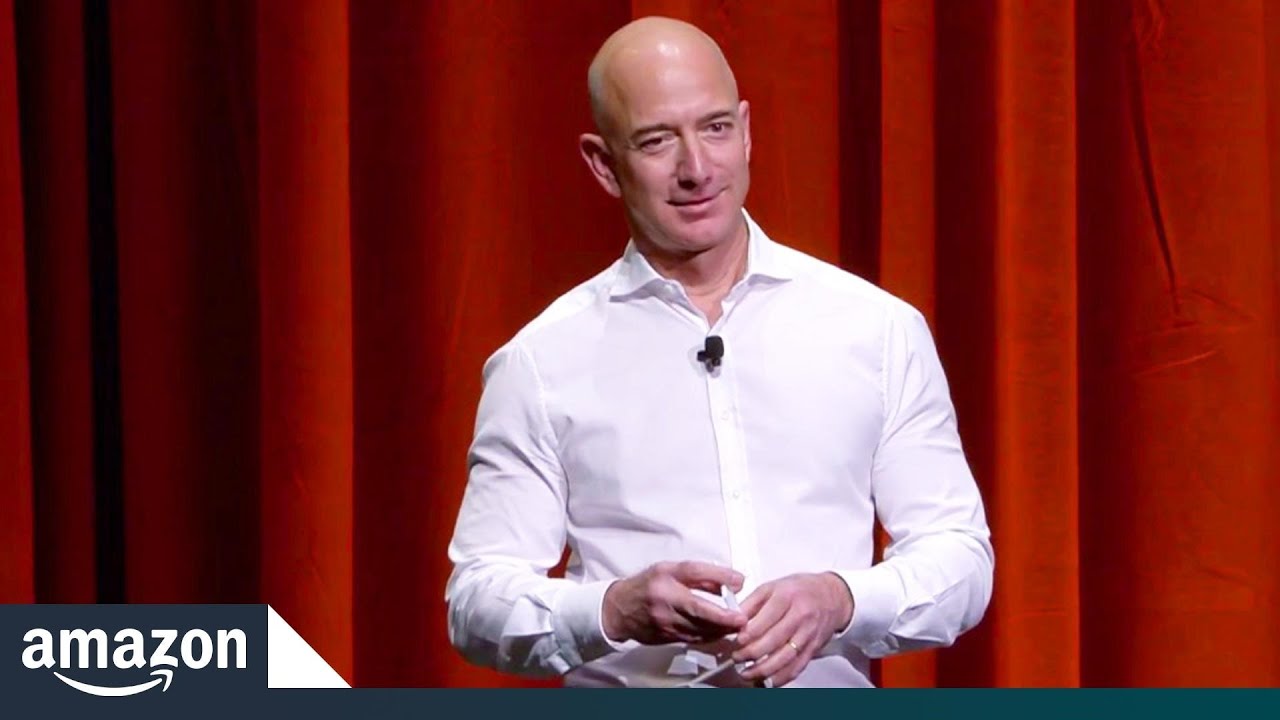
Bezos famously argues that most decisions should be made with about 70% of the information you wish you had. If you wait for 90%, you’re moving too slow. When applied to my AI workflow, it might look something like this,
The Old Way: Spending an hour researching a topic with Gemini Deep Research before beginning to write.
The Day 1 Way: I started doing “messy brain dumps” into NotebookLM and then filling in the gaps as I go. The point in this example is to just start and by doing so, I can discover where I need a quote, more research or a new source.
The result: By simply “getting the ball rolling,” I was able to bypass my fear of the blank page. For non-writers, the “blank page” could be anything unknown, such as a cold-calling a new client, trying a new approach or worrying about anything else that has tripped you up in the past. Essentially, the Day 1 Way is tackling the “blank page” fear and allowing the first draft to be incomplete.
Treating prompts as ‘two-way doors’

If you’ve read “The Bezos Letters: 14 Principles to Grow Your Business like Amazon” you already know that Amazon categorizes decisions into Type 1 (One-way doors: irreversible) and Type 2 (Two-way doors: easy to reverse). It’s an interesting concept, especially when you realize that most AI prompts are two-way doors.
If a prompt gives a bad result, you haven’t lost anything because you can simply hit “Regenerate” or edit the text. Realizing that the stakes were zero allowed me to stop over-engineering my prompts. Instead, lately, I’ve been using prompts (especially with ChatGPT) for fast iteration and using my own critical thinking to do the rest.
My new way of prompting looks a lot like this

To move my ‘to-do’ list forward: “I have 30 minutes. Here is a rough list of what I need to do. What is the smartest, highest-impact thing I can finish right now?”
To kill the “research” rabbit hole: “I have 70% of the info for [Task]. Here are my messy notes. Help me highlight the 30% I still need to find.”
To shrink a project: “This project feels overwhelming, and I’m procrastinating. Shrink this down into a ‘Day 1’ version — a version I can complete in 15 minutes to get the momentum started.”
In other words, AI helps me understand what’s missing rather than simply not starting because I know I’m missing something.
The takeaway
I have found that AI can help someone who is pulled in a lot of directions (because of my kids or because of my ADHD) to stay on task and focus better. Simplifying prompts with the Day 1 rule has been incredibly effective.
Procrastination often hides behind telling ourselves we’re “planning” or “getting organized,” but we’re often just delaying discomfort. Using the Day 1 method has helped me strip that away.
It helps to know that motion beats rumination very time. Using Jeff Bezos’ rule didn’t just change my ChatGPT results; it helped me avoid holding myself back and even the action of getting started.
Give this trick a try and let me know in the comments what you think. You might be surprised how 70% is enough to get started and the 30% naturally falls into place once you get that momentum.

Follow Tom’s Guide on Google News and add us as a preferred source to get our up-to-date news, analysis, and reviews in your feeds.