Proton VPN has published its spring and summer 2026 roadmap, detailing what users can expect from the privacy-focused VPN over the coming months. As one of the best VPNs on the market, Proton VPN regularly shares development updates with its community, and this cycle, the focus is squarely on performance and ease of use.
The biggest update is a new WireGuard codebase. It’s already in beta on Android and Windows, and will power faster, more reliable apps, as well as setting the stage for post-quantum encryption down the line.
A faster, more reliable Proton VPN is on the way
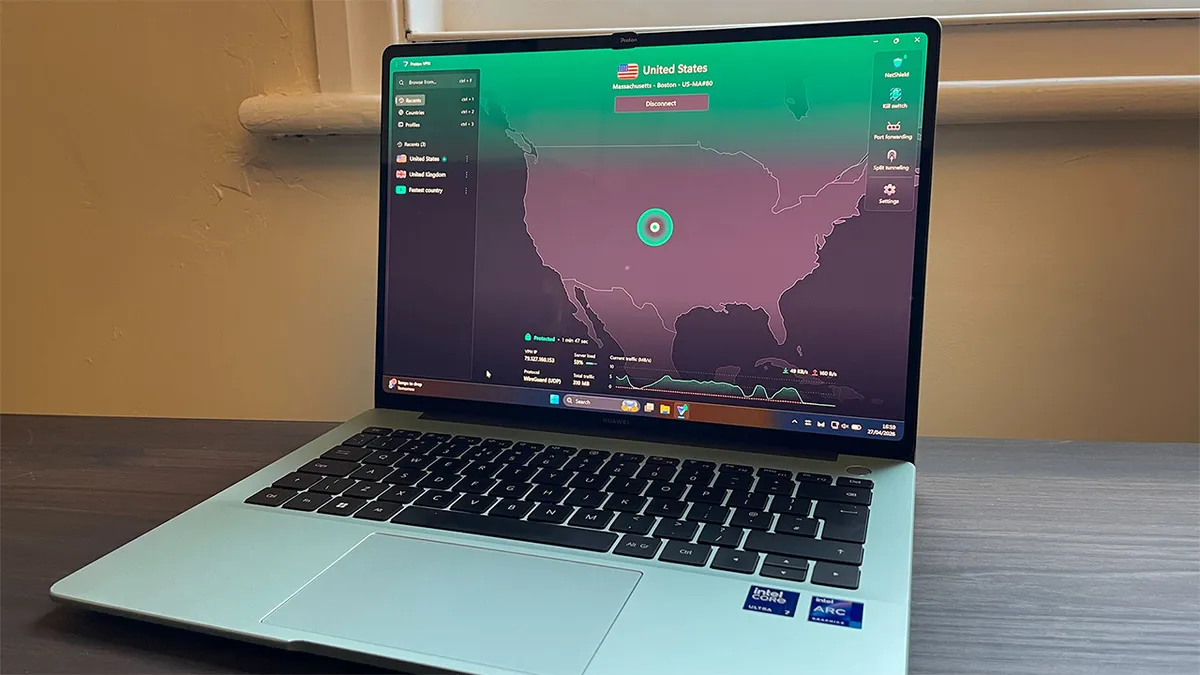
The most significant takeaway from Proton VPN ‘s roadmap is a new client-side WireGuard codebase, which is a significant rebuild of the engine powering its apps.
Already in beta on Android and Windows, the new core promises faster, more reliable performance across all platforms. Mac, iOS, and Linux support will follow in the coming months.
Beyond speed and stability, it will sharpen Proton VPN’s anti-censorship tools, speed up feature releases across all apps, and lay the groundwork for post-quantum encryption (PQE).
PQE is the next-generation of encryption standards, designed to protect against quantum computers. While not an immediate threat, many VPNs have already implemented PQE, and Proton VPN has been a notable exception.
Linux users are in line for a long-overdue upgrade. Proton VPN is redesigning its Linux GUI app to bring it in line with the cleaner, more consistent look already available on other platforms.
The redesign also introduces Stealth protocol support on Linux. It’s Proton VPN’s proprietary obfuscating protocol that masks VPN traffic, making it harder to detect on restrictive networks.
Stealth has been available on Windows, Android, iOS, and Mac for some time, so Linux users will be glad to finally see it arrive.
New locations and smarter connection options
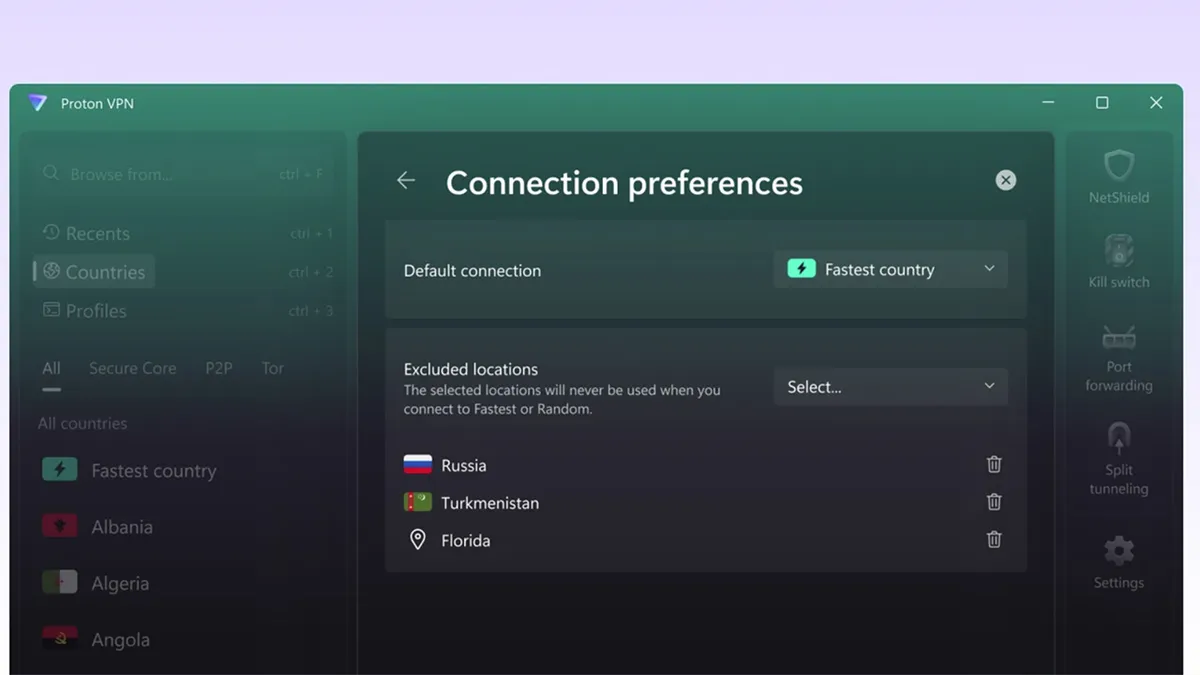
Proton VPN is bringing improved connection preferences to Windows. Already available on its Android VPN apps, the feature lets users permanently exclude specific countries, cities, and states from Fastest Country and Random connections. The app then always picks from locations that work for you, without having to manually adjust settings each time.
Proton VPN has overseen a large expansion of its server network in recent and months. It now has over 20,000 servers in 145 countries, covering 188 locations. The number of countries is more than any of its major rivals, with NordVPN covering 137, and ExpressVPN covering 108.
New locations have been added in previously underserved regions. Countries include Gabon, Haiti, Lebanon, Kyrgyzstan, Nicaragua, and Papua New Guinea.
It’s worth noting Proton VPN’s continued investment in Africa and Asia, regions that can be overlooked by VPNs. It maintains 31 and 48 server locations respectively – more than any of its major rivals.
A broad, well-distributed server network matters in practice because it gives users more options for fast, stable connections, and makes it harder for restrictive governments to block access entirely.
Proton VPN is expanding its Business tier with a range of new admin controls aimed at IT teams. The headline addition is web filtering, which will give admins the ability to manage which websites and content employees can access across their organisation – a useful tool for enforcing security policies and reducing exposure to malicious sites.
Beyond that, Proton VPN is working on advanced controls to enforce always-on VPN and split tunneling across entire device fleets. For organisations managing large numbers of remote workers, always-on VPN ensures employees are never accidentally browsing unprotected, while split tunneling gives admins the flexibility to route only specific traffic through the VPN, keeping performance impact to a minimum. A new admin dashboard is also in the works, offering real-time visibility of network activity and alerts from a single place.
We test and review VPN services in the context of legal recreational uses. For example: 1. Accessing a service from another country (subject to the terms and conditions of that service). 2. Protecting your online security and strengthening your online privacy when abroad. We do not support or condone the illegal or malicious use of VPN services. Consuming pirated content that is paid-for is neither endorsed nor approved by Future Publishing.