Apple stayed true to form with WWDC 2026, choosing to focus heavily on the software that powers all of its platforms. At the same time, the company wasn’t shy about sharing all the new features and capabilities of its turbocharged assistant, Siri AI.
But despite that massive evolutionary leap, a flood of rumors and leaks ahead of the developers conference had left people expecting a lot more. Whether it was a matter of bad timing, or simply that Apple wasn’t prepared enough for a proper reveal, the leaks got it completely wrong. Here’s the breakdown of what Apple didn’t announce.
iPhone desktop mode
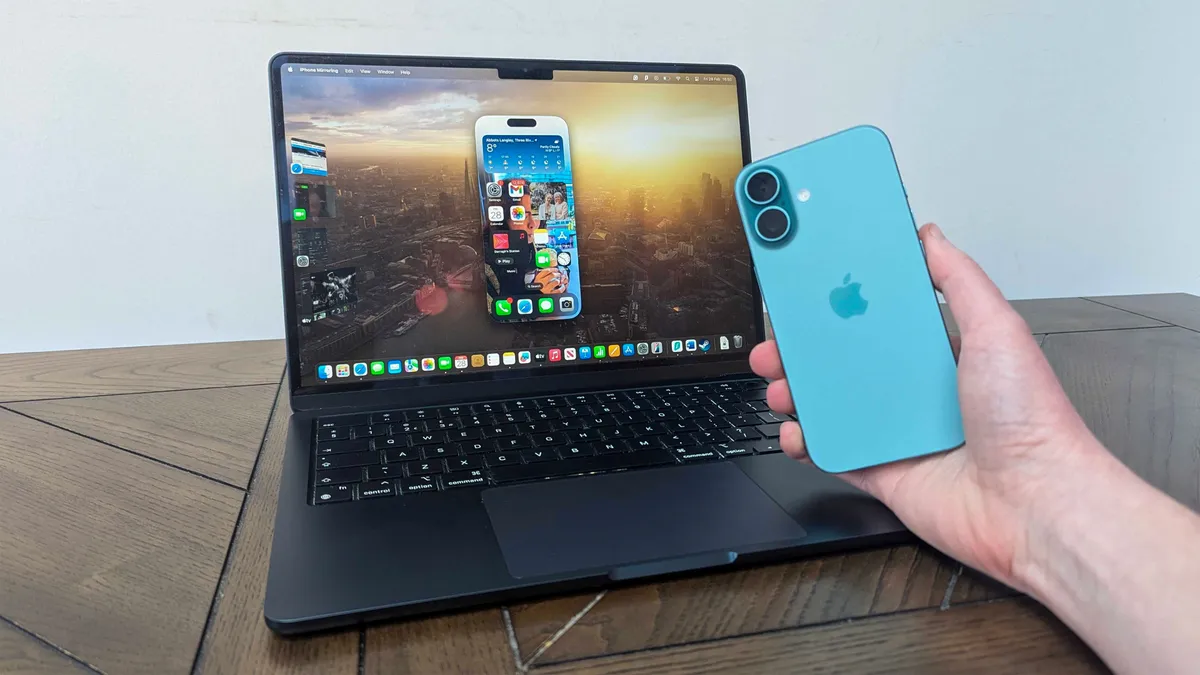
This feature was rumored to arrive with last year’s iOS 26 update, but an iPhone desktop mode never materialized. With rivals like Samsung, Google, and Motorola all offering robust desktop experiences when their phones connect to a monitor, it seemed certain that Apple would finally jump on the bandwagon.

That didn’t pan out, likely because of the broader impact it could have on Apple’s other platforms. There have been long-running rumors about Apple essentially combining elements of iOS and macOS, which would be the core functionality of an iPhone desktop mode. Instead of a software-only reveal, Apple might be saving this feature to debut alongside future hardware, like the rumored MacBook Ultra or iPhone Fold.
Camera app customizations and controls

The iPhone’s camera got a big makeover last year with iOS 26 and Liquid Glass, but there were rumors of even greater customization and controls coming with iOS 27. In fact, it seemed like you’d be able to access a new “Add Widgets” panel for the features that matter most to you — like focal depth and precise exposure settings.
We didn’t see any of that. Instead, the only thing Apple mentioned about the Camera app during its keynote was a new Siri in Camera mode, essentially tasking the assistant with Visual Intelligence duties.
Siri extensions
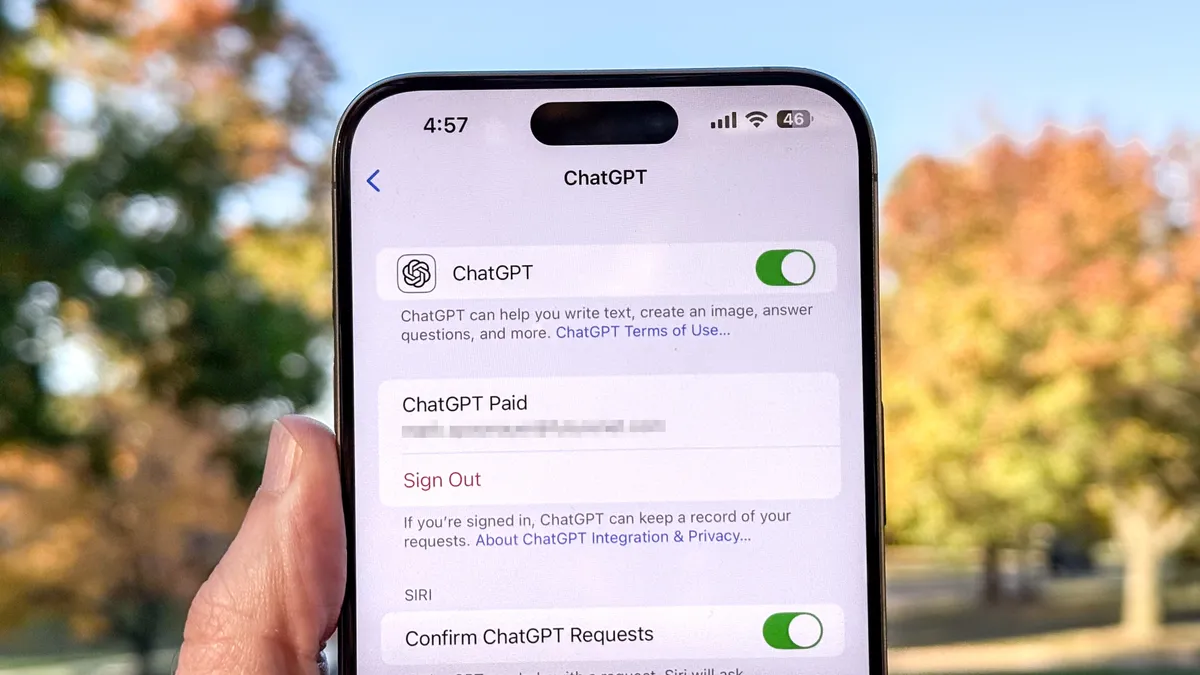
While we did end up seeing the dedicated Siri AI app in action during the presentation, Apple didn’t go into detail about the rumored “Extensions” tool that would enable other AI chatbot services from the App Store to integrate with Siri AI — giving users a choice of which one to use.
Instead, Apple kept the focus entirely in-house, choosing to highlight its massive Siri AI reconstruction and Gemini-backed core processing rather than opening the floodgates to third-party rivals.
Apple Health Plus
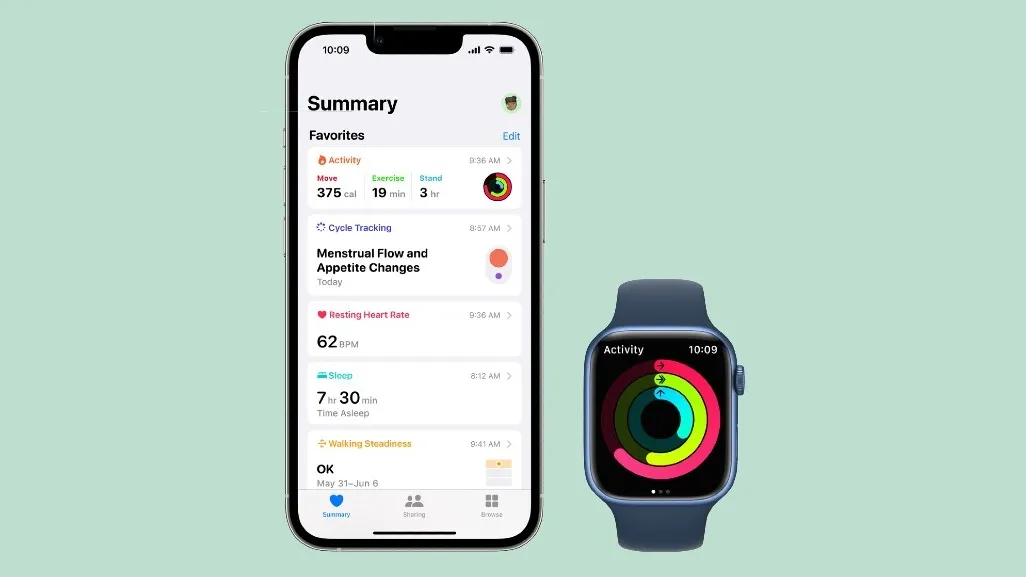
watchOS 27 got some airtime during Apple’s WWDC 2026 keynote, but the presentation centered mostly around Siri AI support, device compatibility, and smaller health and fitness features.
Rumors leading up to the event had hinted at Apple working on a new Apple Health Plus service for iOS 27, which would combine health and fitness tracking with deep AI personalization. Specifically, it was expected to bring advanced features like AI-powered calorie tracking through label scanning and custom fitness regimen creation to rival Google’s offerings.
Instead, Apple scaled back its ambitious health launch, choosing to deliver more incremental updates like perimenopause insights and a phone-free Workout Buddy watch feature.
Satellite connectivity upgrades
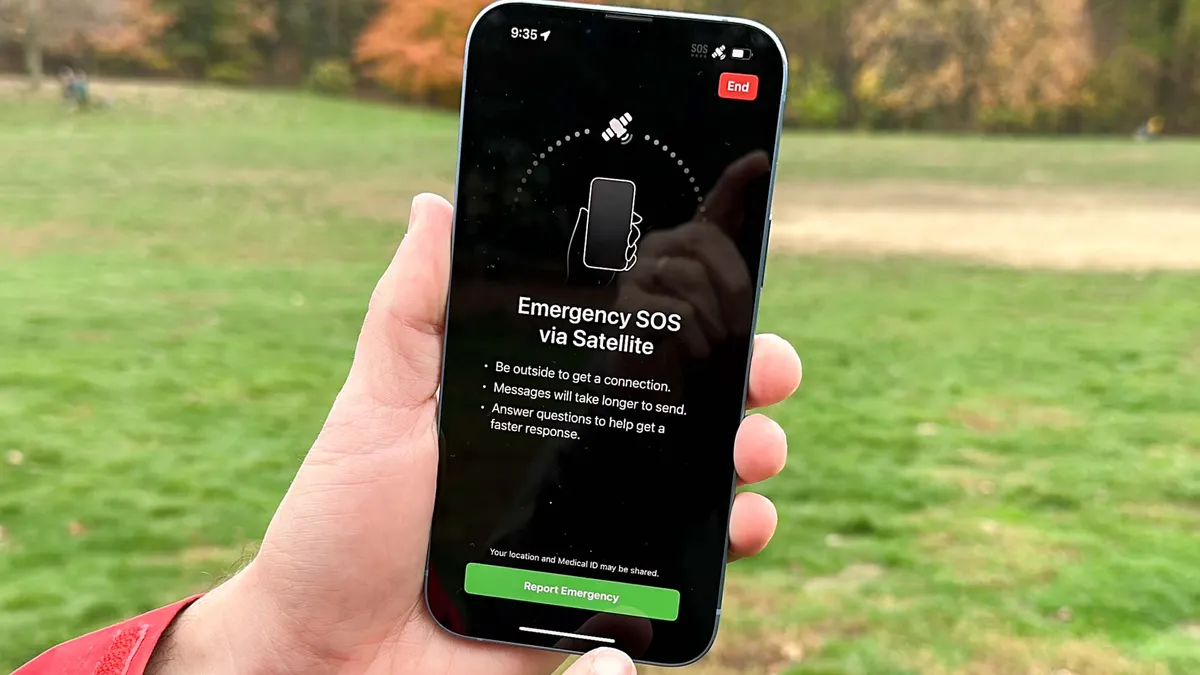
Last fall after the iPhone 17 launch, there was a report that strongly indicated that iOS 27 would supercharge the iPhone’s off-grid capabilities with five major satellite connectivity upgrades — including text-prompted photo sharing, native Apple Maps navigation without cell signal, and a breakthrough architecture that would allow for a connection while indoors.
Nothing of the sort was teased at WWDC 2026, so it’s likely going to be saved for later in the fall with its iPhone 18 Pro launch.
AirPlay alternatives

Now that iPhones can wirelessly send files to select Android phones through cross-platform sharing, it would’ve been the perfect time for Apple to reveal its intentions to expand wireless streaming beyond just AirPlay.
Rumors leading up to WWDC 2026 suggested we would get even more native AirPlay alternatives with iOS 27. Currently, AirPlay is the sole proprietary protocol built into iOS for wireless streaming, but reports indicated that other casting standards, like Google Cast, could receive native support in the new update.
It looks like we’ll have to wait until the fall’s annual iPhone announcement to see if this wireless expansion actually materializes.
No hardware devices

Now, as much as it’s a software-focused event, there have been several hardware reveals in the past, like the Vision Pro a few years back. This time, however, there were none whatsoever, despite rumors hinting at a slew of new products. Here are the devices that were rumored but completely missed the show:
- iPhone Fold/Ultra: We didn’t expect Apple to actually announce the iPhone Ultra, but we were hoping to see at least some clues within iOS 27 that would start to tease what’s possible with a foldable iPhone.
- Apple Glasses: While visionOS 27 was quietly announced, Apple didn’t show anything beyond iterative changes to its spatial operating system — nothing that seemed specifically tailored for the rumored smart glasses.
- MacBook Ultra: Although we now know the name of the next macOS 27 update, Golden Gate, nothing during the keynote indicated that Apple intends to bring touch support to a touchscreen MacBook anytime soon.
- AirPods Ultra: Siri AI is poised to change everything, but we’ll have to wait for the next version of AirPods — which will apparently feature built-in cameras for deeper Siri AI integration — to actually see it in action.
- HomePod with display: Apple did show off new Apple Intelligence features for its smart home platform, but the long-rumored HomePod with a built-in display was nowhere to be seen.

Follow Tom’s Guide on Google News and add us as a preferred source to get our up-to-date news, analysis, and reviews in your feeds. Subscribe to Tom’s Guide on YouTube and follow us on TikTok. Finally, you can visit our dedicated Tom’s Guide Savings Squad hub for expert help on getting the best products for less.