Or should you stick with a cheaper LCD? It depends.
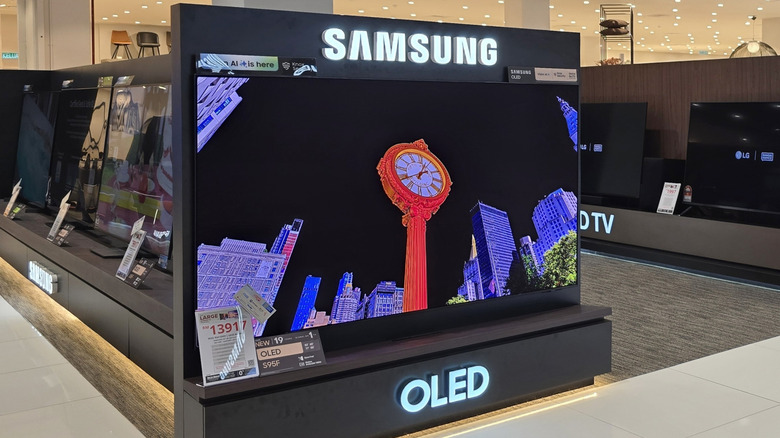
In 2026, many tech experts agree that OLED TVs are among the best you can buy. That makes sense: The technology is known for providing excellent color contrast with rich, inky blacks and impressive pixel response time. In fact, as OLEDs have continued to develop on the technology front, we’re seeing brighter, more vibrant displays with every generation. Just look at last year’s LG TV launch. However, it’s still true that OLEDs can often cost more than other panel technology. So it raises the question: Is the “OLED tax” worth it? The answer is mostly “yes,” but there’s some nuance.
While OLED TVs are often seen as the premium offering, the other leading panel technology (LCD) has made some major advances to bring its performance closer to OLED panels. As “Mini-LED” screens and improved “local dimming zones” start to become more commonplace, an LCD panel can feel more and more like an OLED. And it can often do so at a lower price point. Depending on how new your TV is, an LCD could also give you some benefits that OLEDs can’t, such as more raw brightness and less susceptibility to the dreaded image burn-in effect.
Why OLEDs are still worth the premium

OLEDs have a lot under the hood that makes them truly impressive screens for watching TV and movies. First, a quick rundown on how the technology actually works, because that helps explain why it might just be worth the extra money. OLED stands for “organic light-emitting diode,” which essentially refers to the fact that each pixel in a panel produces its own light. This means that the TV selects the color profile and the lighting level for each pixel, individually. Compare that with LCDs, the other most common tech, which do not have light-producing pixels, but instead employ a separate backlight that shines through layers of light-filtering pixels. One of the reasons this backlight has trouble providing the color accuracy or contrast that OLEDs can is because it doesn’t have the pixel-by-pixel control. In short, it has to light up a much larger area, behind many pixels at a time.
What this means in practice is that an OLED screen can show a wider range of shades and colors, going all the way down to stark black simply by shutting a pixel completely off. This control also affords OLED screens with genuinely faster response times, making them an ideal choice for gaming or fast-paced content like sports or action films. Finally, because OLED panels are more expensive to manufacture than LCD, brands often put them into their flagship models, which means you’ll get high-end operating systems, modern connectivity options and thin, sleek designs. These premium features were all shown in the latest launches from CES this year. This all may be worth it to you, depending on the style of viewer you are.
When it’s worth saving a bit of money on a different panel
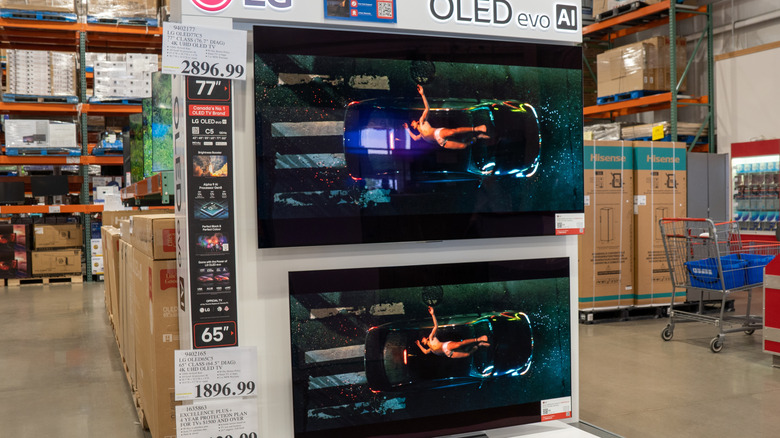
The other side of that coin is that OLED panels are objectively expensive, and that may not be worth it for everyone. If you do decide to go for a mid-tier or even budget-priced LCD panel, how can they keep up with the OLED’s performance? One thing manufacturers have done to bring LCDs closer to OLEDs is to give the backlight component more precision in its lighting capabilities. These are the “local dimming zones,” we touched on above, and many premium LCDs offer a greater number of these zones so that the LCD panel can get better color accuracy and darker graphics in smaller sections of the screen.
Even if you don’t opt for a premium LCD panel, there are some inherent benefits in the tech. First, LCD displays’ higher measured brightness levels make them easier to see in brightly lit living rooms or even outdoor spaces. Though OLED burn-in isn’t nearly the issue it was with the earliest generations, there’s still science to support that OLEDs are more prone to permanent damage if you leave too much static content displayed for too long. So if you watch a lot of sports or news with on-screen graphics that don’t move, the peace of mind you’ll get using a nice LCD panel might be a better fit. At the end of the day, where your dollars go on a TV is a mixed bag. Not all OLED TVs are the best, but most of the flagship OLEDs are worth the money if picture quality performance is the most important feature to you.