Contacts:
Meg Thacher, Associate Editor
(202) 328-2010 x22182, [email protected]
Edwin L. Aguirre, Associate Editor
(617) 500-6793 x131, [email protected]
Susanna Kohler, Director of Communications & Media Relations, American Astronomical Society
(202) 328-2010 ×127, [email protected]
Note to Editors/Producers: This release is accompanied by high-quality graphics; see the end of this release for the images and links to download.
The Perseid meteor shower, a celestial event eagerly awaited by millions of skywatchers around the world, is about to make its annual return to the night sky. The shower is predicted to reach its peak just after nightfall on Wednesday, August 12th. In a dark site away from light pollution, at the peak of the shower, observers might see one meteor every couple of minutes!
This year, the Perseid fireworks celebrate a total solar eclipse observable from Greenland, Iceland, and Spain earlier that same day (those in Canada and the northeastern third of the U.S. will see a partial eclipse). Since solar eclipses happen during new Moon, the meteor shower won’t be dimmed by moonlight as it was last year.
Begin watching for meteors soon after evening twilight ends on the evening of August 12th. By then the shower’s radiant — its apparent point of origin in the constellation Perseus — has risen above the northeastern horizon. The few Perseids that appear this early will be spectacularly long “earthgrazers” that skim along the top of the atmosphere. The higher the radiant, the more meteors you’ll see — so when Perseus climbs higher in the northeast, especially after midnight, more meteors should appear all over the sky.
And if it’s cloudy on the 12th? Given the timing of the peak and Moon’s phase, you can also observe this event on the nights of the 11th and 13th. In fact, the Perseid shower is long-lived, and you should see meteors — though fewer in number — for several nights before and after its predicted peak.
how to watch
To enjoy the Perseids, you need no equipment but your eyes — binoculars and telescopes show too small an area of sky to be useful for meteor-watching. Find a dark spot away from bright lights with a wide-open view all around if possible.
Once you’re comfortable, be patient and let your eyes adapt to the darkness. Give yourself at least 20 minutes before expecting to see multitudes of meteors. “Resist looking at your phone while watching for Perseids — or at any time during the night — because the harsh, bright light from the screen will wash away whatever dark adaptation you’ve built up,” says Edwin Aguirre, Sky & Telescope Associate Editor.
These “shooting stars” can appear anywhere and everywhere in the sky, so you don’t have to look toward the radiant to see them. The best direction to watch is wherever your sky is darkest, usually straight up. Faint Perseids appear as tiny, quick streaks. Occasional brighter ones might sail across the sky for several seconds and leave a brief “train” of glowing smoke.
When you see a meteor, trace its path back to its origin. If you eventually come to the constellation Perseus (see the accompanying sky chart), you’ve just witnessed a Perseid. If the tracks don’t lead you to Perseus, they’re something else. The weaker Delta Aquariid, Alpha Capricornid, and Kappa Cygnid showers are also active during Perseid season, and there are always a few random meteors, too. All of these come from other parts of the sky.
“Light pollution will definitely hamper your enjoyment of the Perseids,” S&T associate editor Meg Thacher cautions. Only the brightest meteors shine through light pollution (though usually not through clouds). But there’s good news for those in light-polluted areas: A NASA analysis of all-sky images taken from 2008 to 2013 shows that the Perseids deliver more bright meteors (those that outshine any star) than any other annual meteor shower.
how and why
Meteors are caused by tiny, sand-grain- to pea-size bits of rocky debris striking the top of Earth’s atmosphere that burn up more than 50 miles (80 km) above the ground. The Perseids zip in at 37 miles per second, creating quick, white-hot streaks of superheated air along their paths. The nuggets in Grape Nuts cereal are a close match to the estimated size, color, and texture of typical meteor-shower particles.
The Perseid bits were shed long ago by Comet Swift-Tuttle — so named because it was independently discovered by Lewis Swift and Horace Parnell Tuttle in July 1862. Those fragments are distributed all along the comet’s orbit around the Sun. Earth passes through this tenuous “river of rubble” every year in mid-August.
Read more on this year’s Perseids in the August 2026 issue of Sky & Telescope and on S&T’s website.
Graphics
Sky & Telescope is making the illustrations below available to editors and producers. Permission is granted for nonexclusive use in print and broadcast media, as long as appropriate credits (as noted) are included. Web publication must include a link to SkyandTelescope.org.
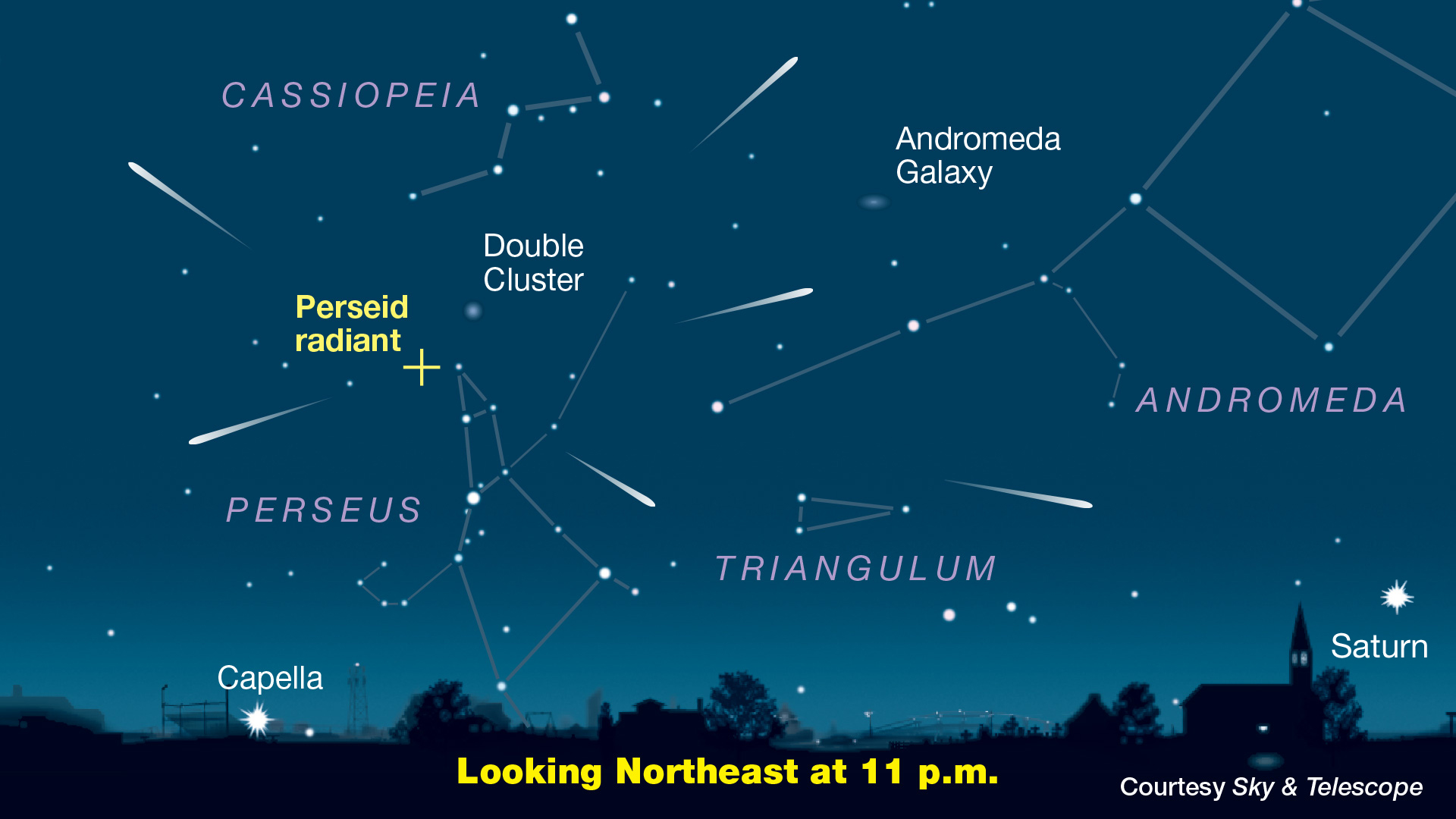
Credit: Sky & Telescope
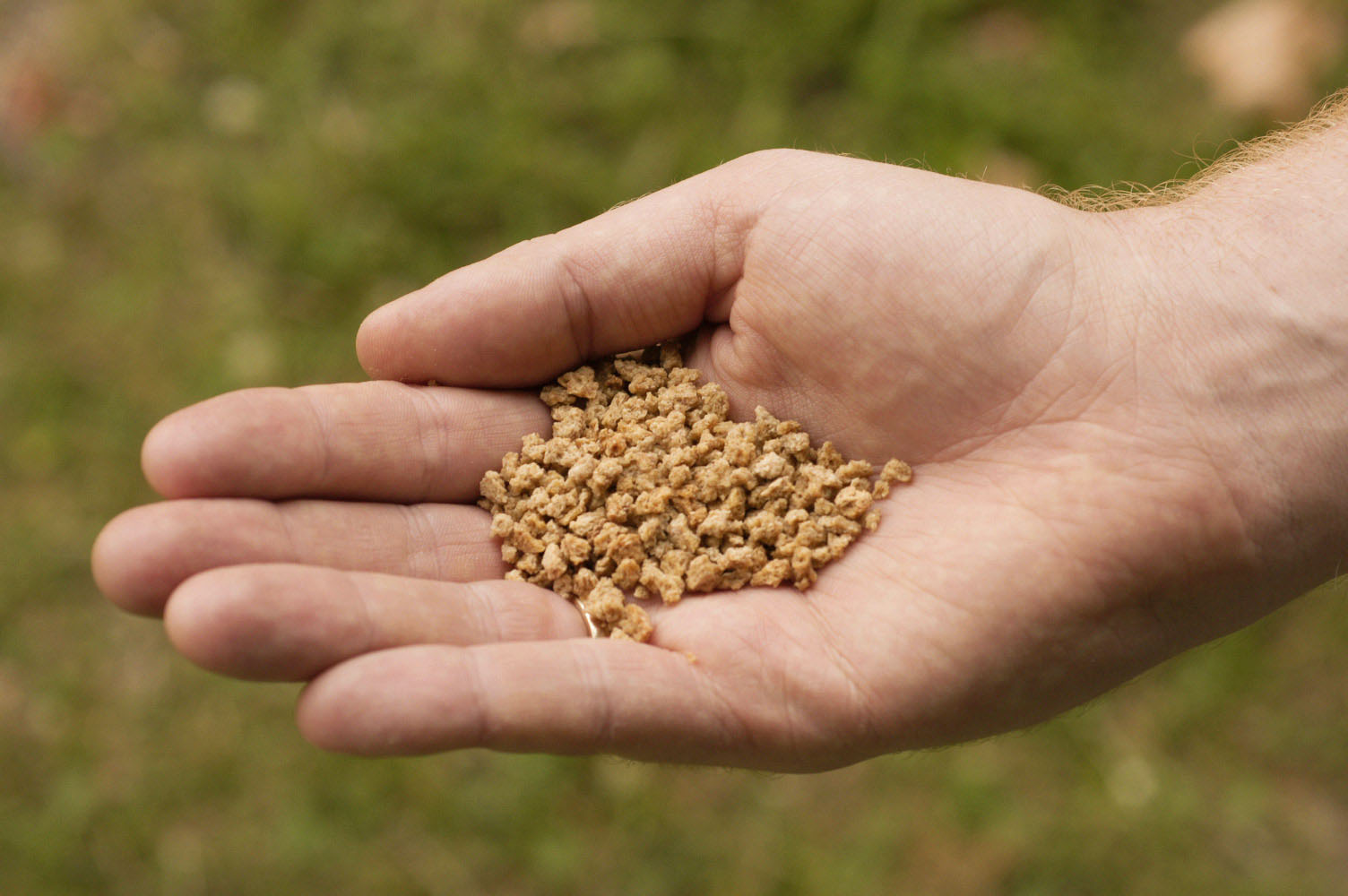
Sky & Telescope
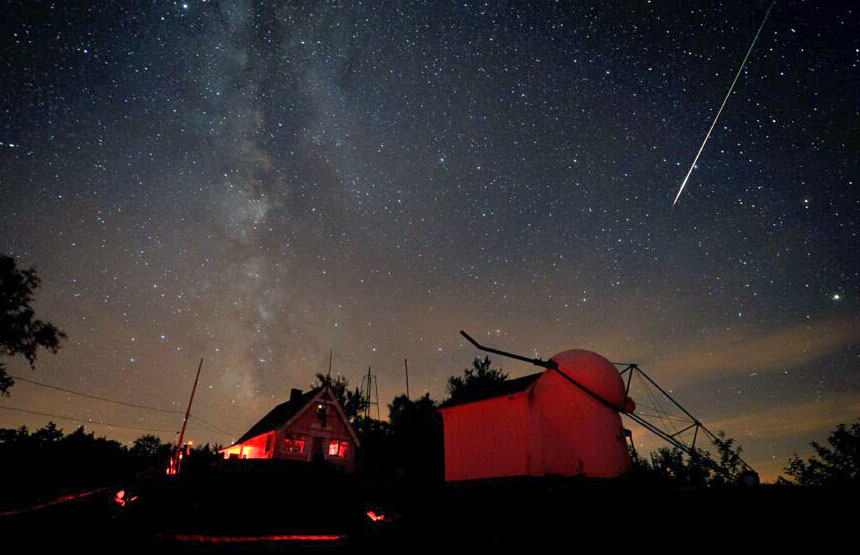
Sky & Telescope / Dennis di Cicco
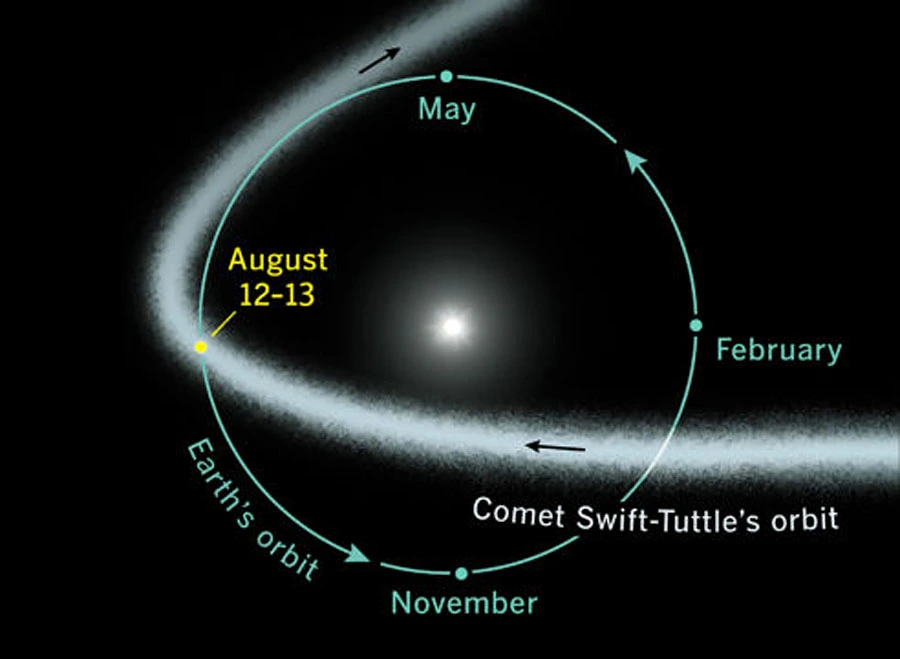
Sky & Telescope