Setting up a new Windows PC for coding usually means installing a stack of software and changing a bunch of settings before getting down to work. While it isn’t something difficult to do, it sure is time-consuming. Microsoft has just announced Project Zenith at IFA 2026, which attempts to change that.
While the name makes it sound quite fancy, it is essentially a preconfigured Windows 11 experience for what Microsoft calls developer-class PCs. These machines will ship with development tools already installed and several Windows settings adjusted out of the box.
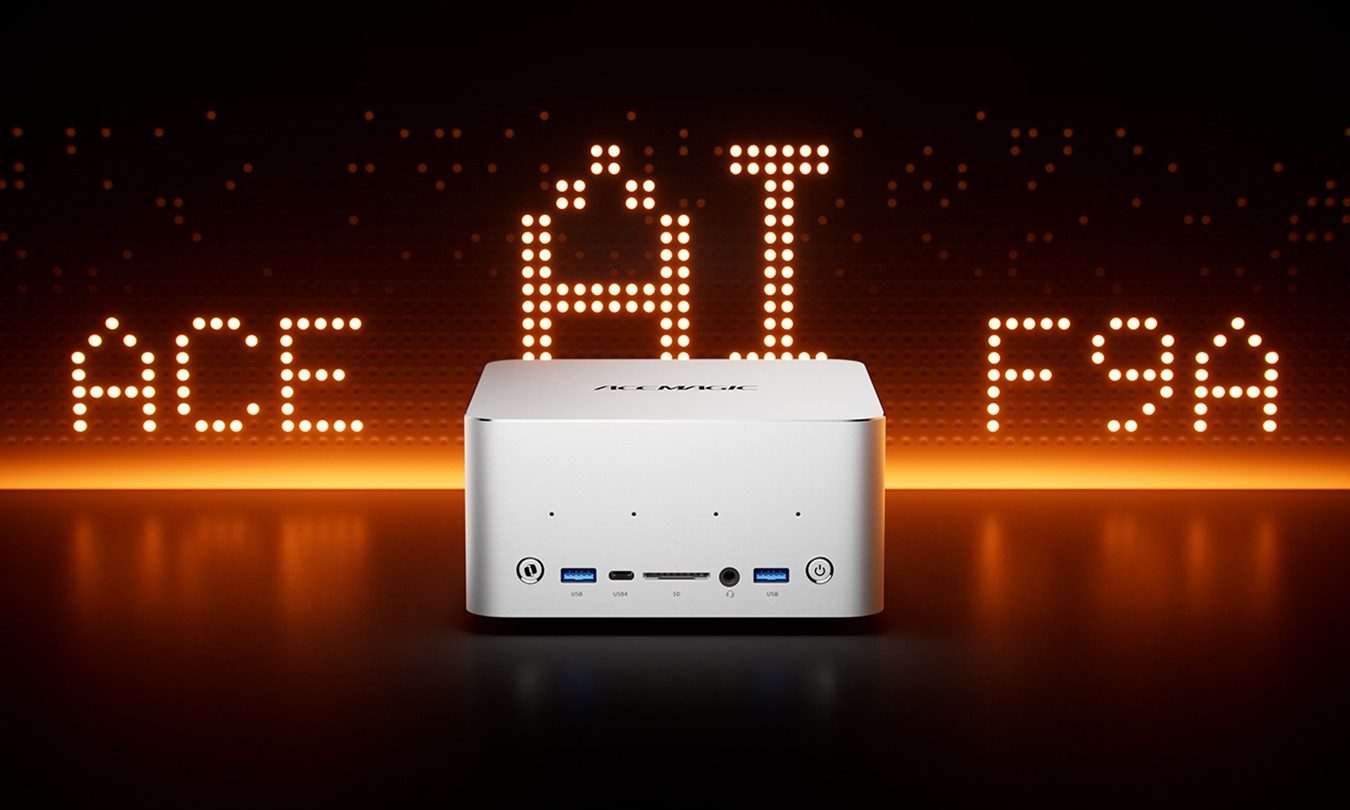
There is also a fairly demanding hardware requirement. Project Zenith PCs need at least 64GB of unified memory and 250GB/s of memory bandwidth. The first systems will use AMD’s Ryzen AI Halo platform, while Microsoft says hardware from other chipmakers and PC brands will follow in the coming months. AceMagic recently announced one such machine with a Zen 5 processor and up to 192 GB unified memory.
What changes with Project Zenith
Project Zenith ships with commonly used development tools already installed. Windows Terminal and Visual Studio Code are pinned to the taskbar from the start, saving developers from rebuilding the same basic work environment every time they move to a new machine.
Microsoft has also changed several Windows defaults. File Explorer shows file extensions, hidden files, full paths, and the details pane, while long-path support is enabled. Recently used files and folders, sync provider tips, Start menu tips, and account notifications are disabled. Command Palette is switched on by default.
These are settings developers can already change on a regular Windows 11 PC. Project Zenith simply has them configured before the machine is switched on for the first time, alongside the software needed to start working.
Who is Project Zenith actually for
The hefty memory requirement gives away a big part of Microsoft’s target audience. Project Zenith is meant for developers working with demanding local workloads, including AI models and coding agents.
Microsoft says supported machines can run models with more than 30 billion parameters locally without relying on metered cloud tokens. Windows Subsystem for Linux is also part of the experience, including WSL containers for running Linux containers directly inside Windows. Microsoft’s Execution Containers are available for developers building and testing AI agents in isolated environments.