IFA Berlin brought innovation from across the globe into one giant exhibition, and we got the chance to experience the new-gen “tech” firsthand. Walking through Messe Berlin, we saw a laptop designed to be repaired at home to a power bank with visible liquid coolant, an AI-powered toothbrush with a camera inside your mouth, and a robot vacuum carrying another.
The variety is what makes IFA one of the best tech shows. IFA 2026 runs from September 4 through 8, and we’ve spent our time in Berlin chasing down the products that caught our eyes. Some of these are clever ideas that may change how we use tech every day, while others solve a problem that I didn’t realize existed.
From powerful laptops and pocketable storage, here’s the best tech we’ve seen at IFA 2026.
Acer Vero 16
Repairable laptops usually remind me of modular notebooks, with the design being their entire personality. Acer’s new Vero 16 is also leaning hard on that repairability idea, though it has a lot more going for it. At a glance, it looks akin to your typical premium notebooks, but the company has gone considerably further with repairability this generation. There’s a tool-free latch for accessing the internals, a user-replaceable battery and SSD, detachable hinges, and removable I/O covers rather than ports that are permanently soldered into place.
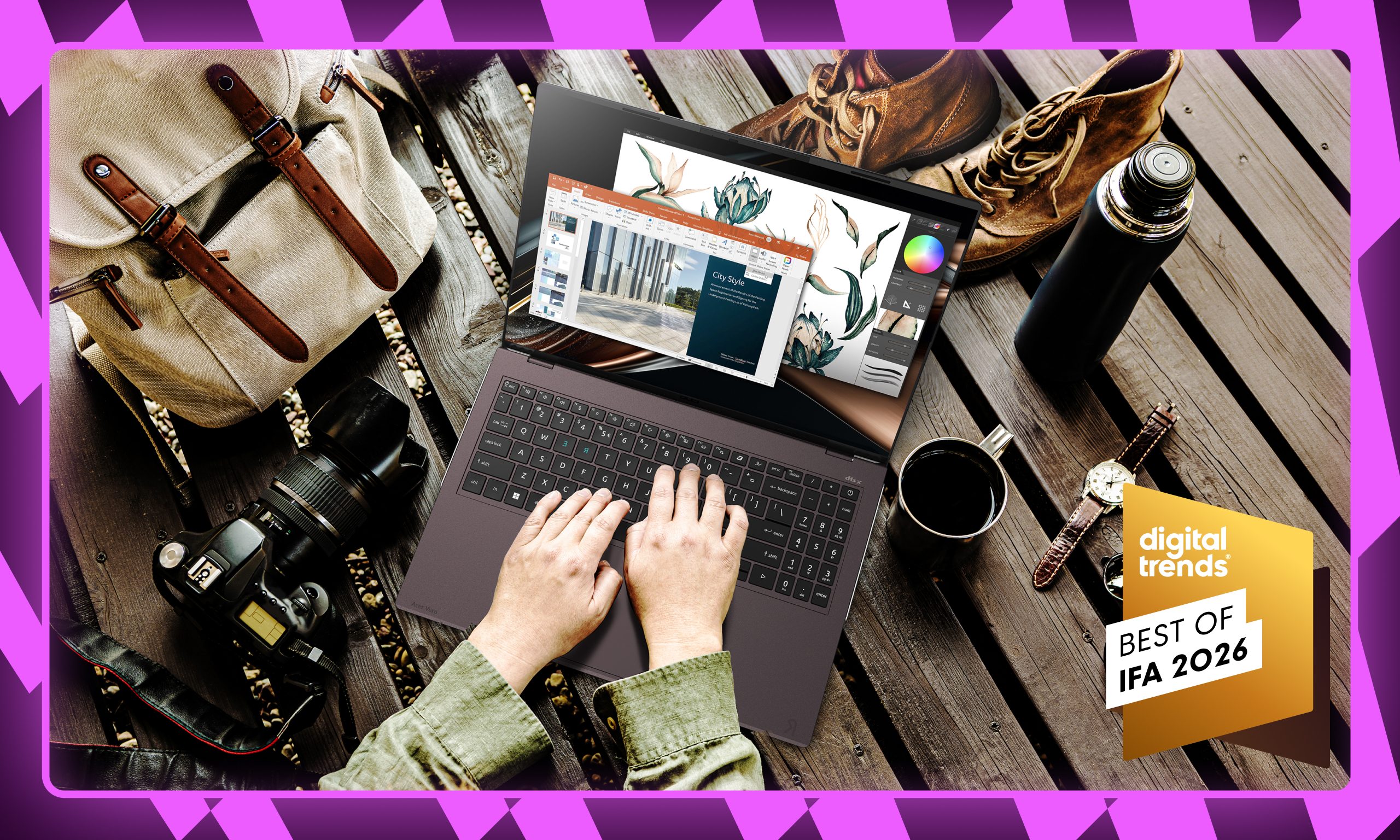
Acer even engraves a visual repair guide onto the chassis. The rest of the hardware is just as solid. Configurations reach Intel’s Core Ultra X9 388H alongside a 16-inch 3K OLED display, while the chassis uses recycled and low-carbon aluminum. So you’re not getting the design compromise of a repairable laptop.
Asus ProArt P14
The ProArt P14 made an impression for almost the opposite reason. This laptop has an insane amount of computing power packaged inside something I’d happily carry around. ASUS has built the new P14 around Nvidia’s RTX Spark platform, with enough unified memory and GPU capability to tackle some enormous local AI workloads.
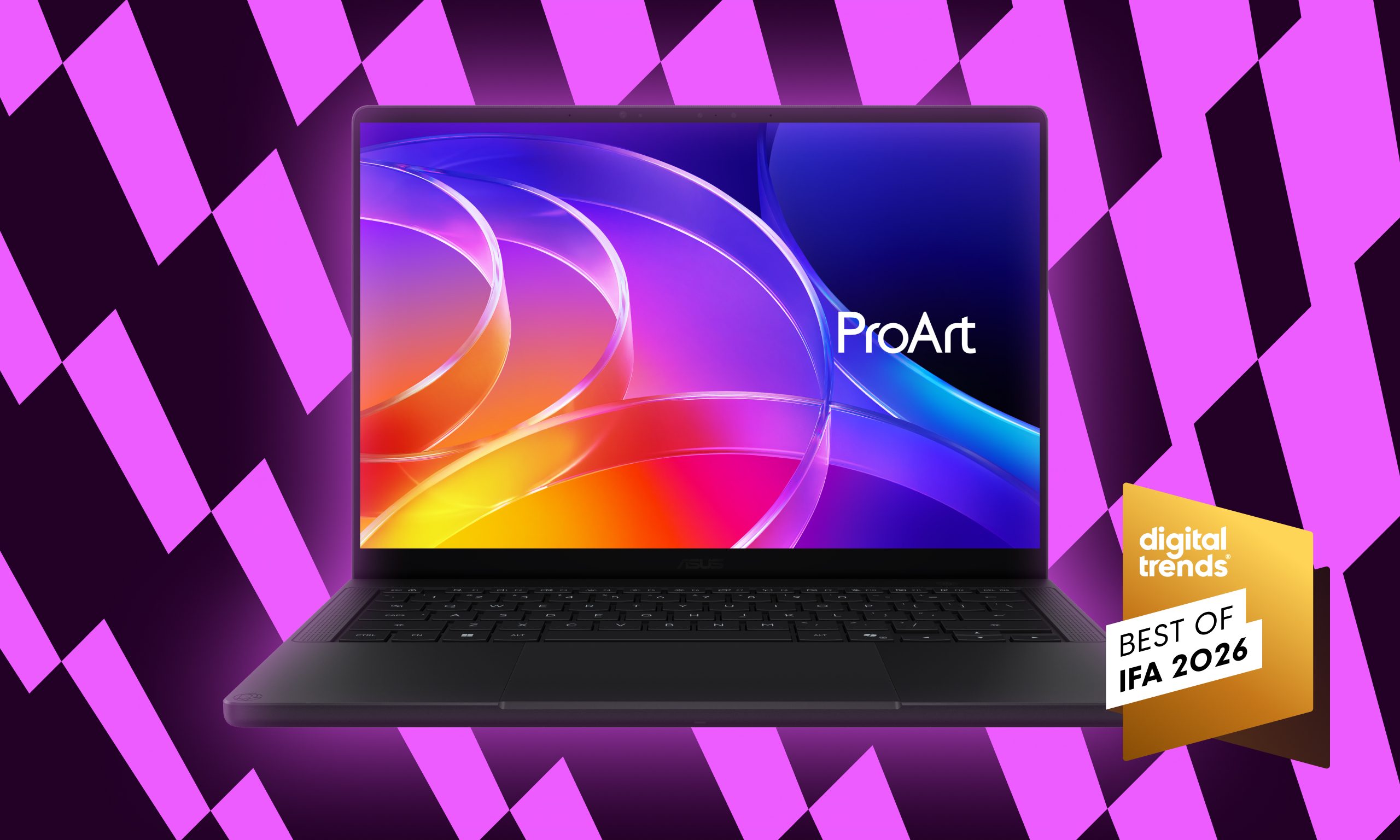
ASUS claims that it can work with LLMs reaching 120 billion parameters, 90GB-plus 3D scenes, and local 4K AI video generation. The ProArt lineup has been catered for creators, but this one comes across more as a portable AI server. Add to this the new Neo White color option, and the P14 is both the beauty and the beast.
TCL P80 Pro
I’ve liked TCL’s NXTPAPER displays for years, but LCD’s have their obvious drawbacks. So TCL announcing the P80 Pro had me hyped when they managed to combine NXTPAPER’s glare-reducing, paper-inspired panel with a 6.83-inch 1.5K AMOLED display. You still get up to 120Hz, 3,200 nits peak brightness, and full DCI-P3 coverage, while a physical NXTPAPER key lets you jump into its Paper and Max Ink modes when you’d rather read than stare at another bright smartphone interface
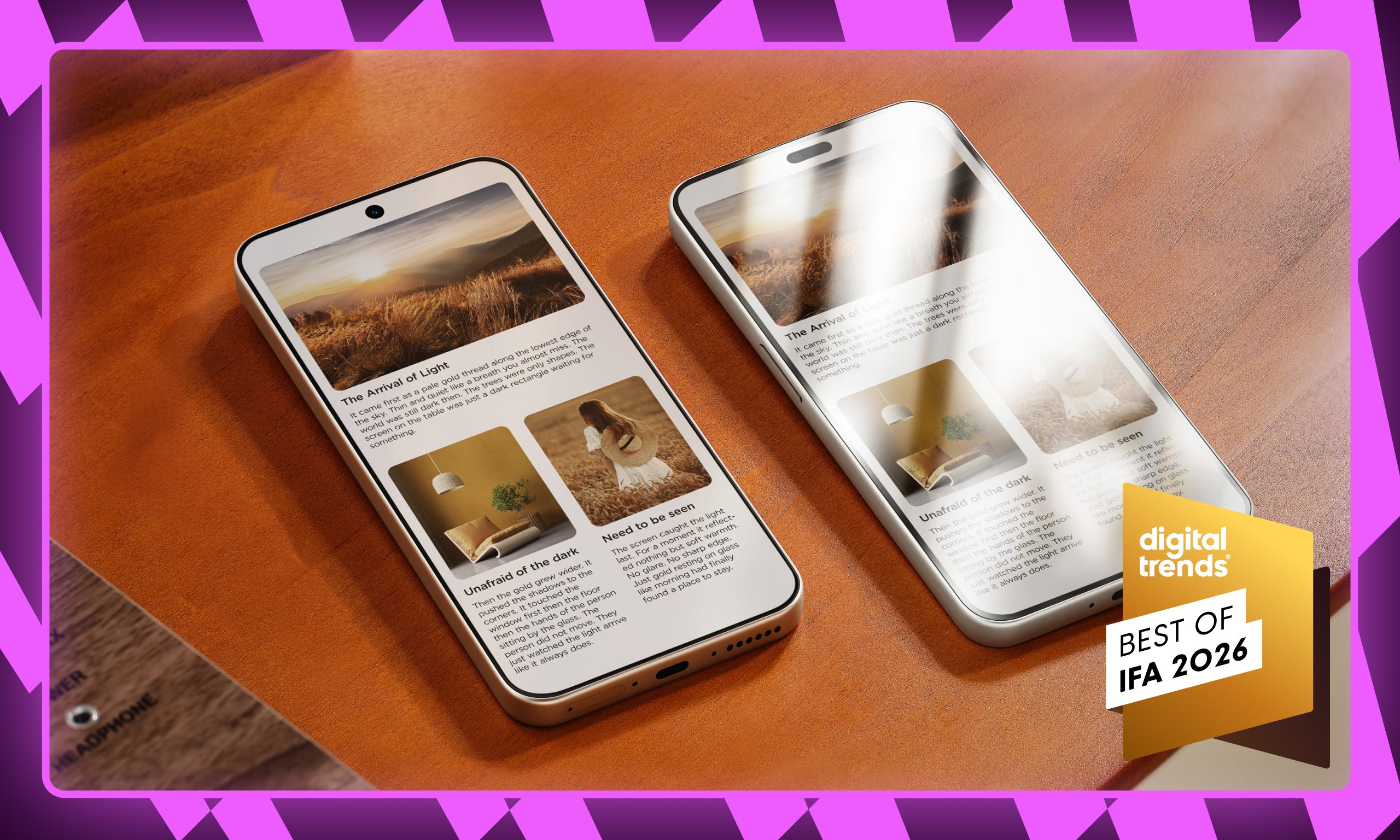
OLED gives the P80 Pro the contrast, color, and brightness you’d expect from a modern premium smartphone, while NXTPAPER targets glare and eye comfort when those qualities matter less. It’s literally the best of both worlds for those who already love NXTPAPER devices.
JLab JBuds Mini ANC
TWS earbuds are already pretty small and easy to carry around. But then there is the JBuds Mini ANC. JLab calls these the smallest true wireless ANC earbuds from a major headphone brand, with earbuds 30% smaller and a charging case 50% smaller than its Go Pop+. Even with this mini size, they still pack active noise cancellation, Be Aware transparency, Bluetooth multipoint, IP55 protection, and more than 25 hours of total battery life.
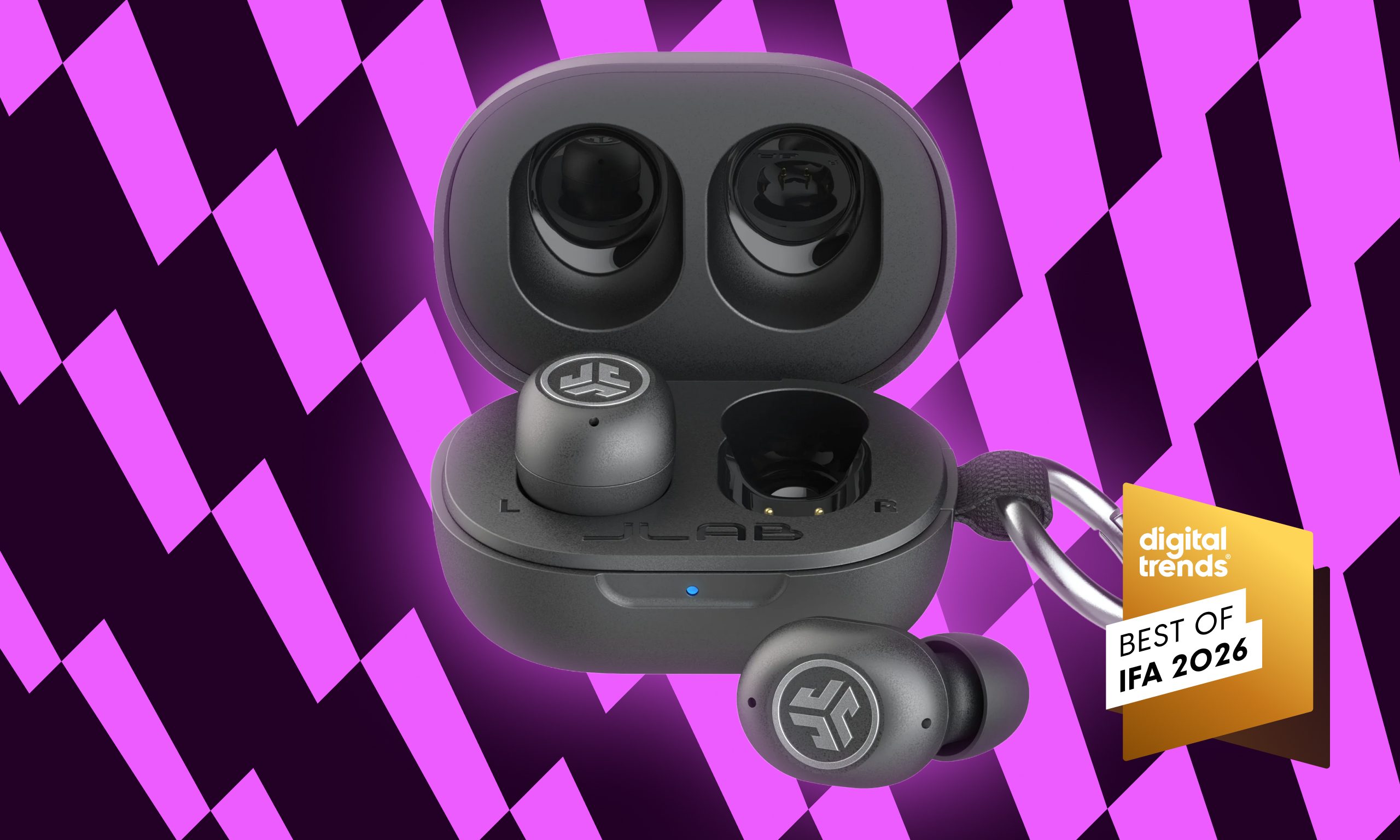
My favorite addition might be Apple Find My, because something this tiny is exactly the sort of thing a customer might lose. Find My tracks the charging case, letting you locate it on a map or make it play a sound. And at $42.99, JLab hasn’t turned miniaturization into an excuse to charge premium-earbud money.
Lexar Muse
An external SSD is already built to be portable. The Muse Ultra-Slim Portable SSD is just 3.8mm thick at its thickest point and tapers to 1mm, which Lexar says makes it the world’s thinnest portable SSD. To put that thinnest point into perspective, the company couldn’t even fit a regular USB-C connector, so Lexar created its own magnetic SnapLink pogo-pin connection instead.
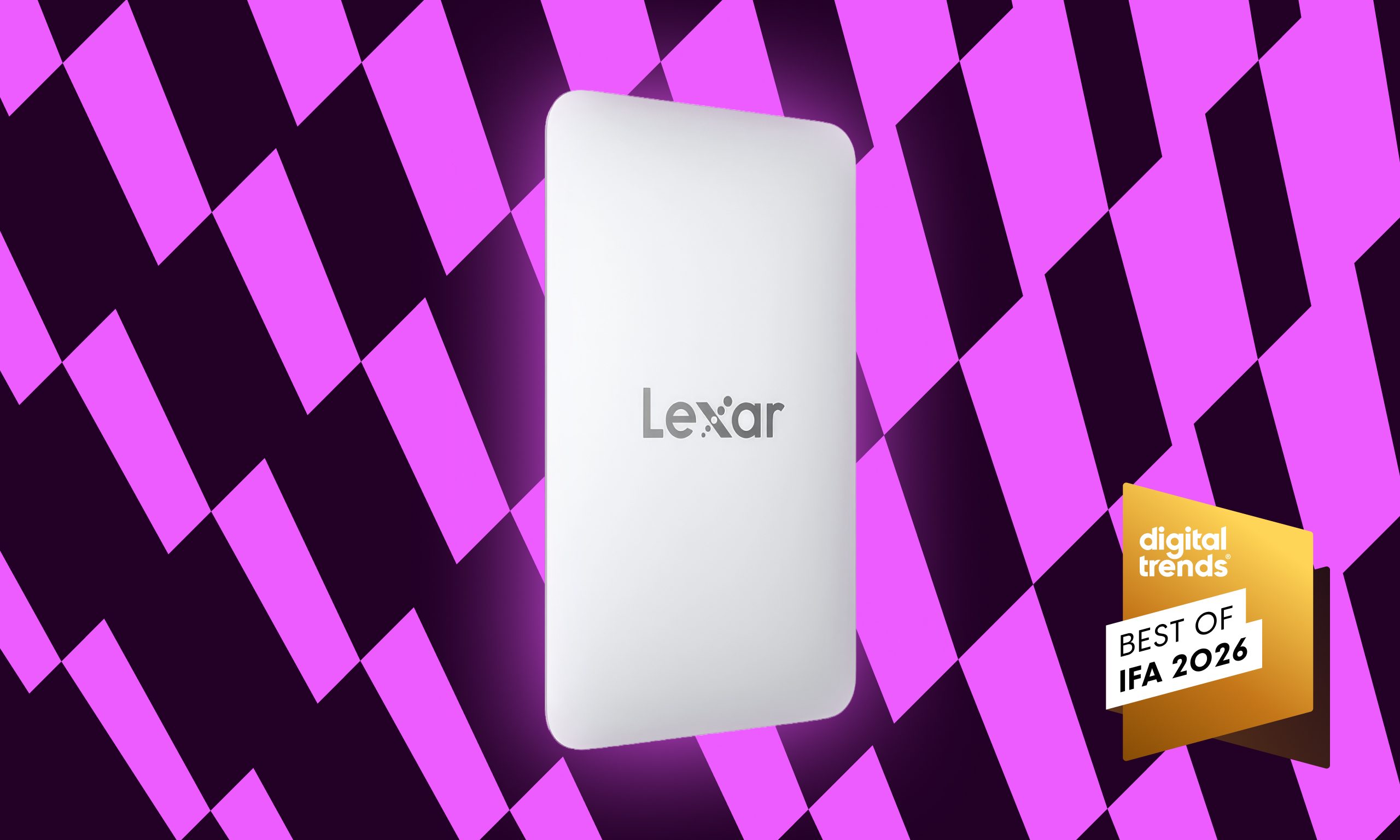
There’s some genuine utility behind the engineering. A magnetic sleeve lets the drive sit against compatible MagSafe iPhones, with read speeds up to 1,050MB/s and write speeds up to 1,000MB/s. It can also record 4K 120fps Apple ProRes directly on supported iPhones. The new proprietary cable is an unfortunate trade-off, but there’s no denying just how impressive it is to hold something card-shaped and carrying a whole terabyte of storage in it.
XGIMI AURA 3 Series
Getting a giant projector image normally asks for a big room with plenty of space and some creative furniture placement. XGIMI’s AURA 3 series, on the other hand, needs just eight inches to produce a 120-inch image. Ultra-short-throw projectors aren’t a new concept, and the three-digit screen size isn’t too impressive on its own.
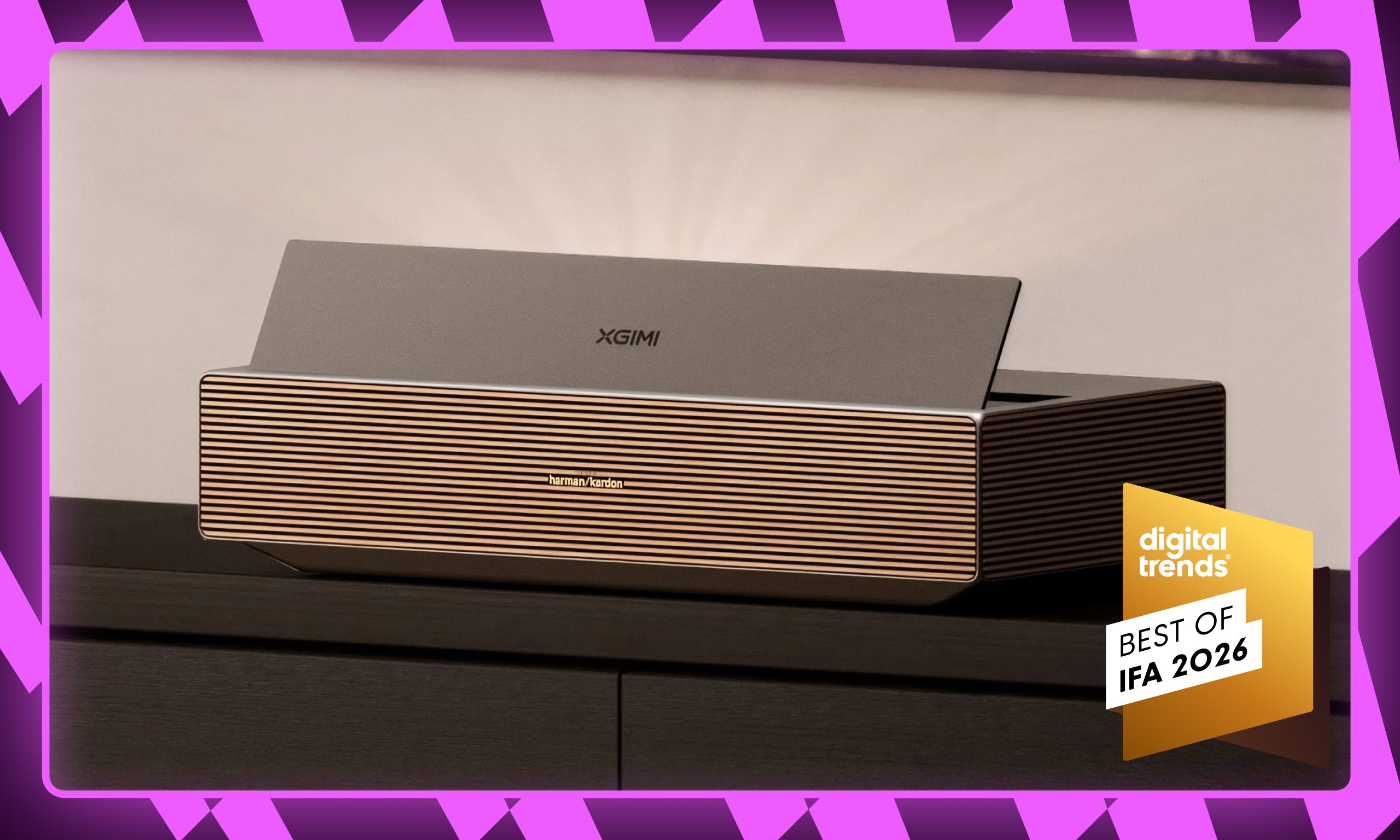
It’s the fact that you can make the projection hit 4K resolution at 120Hz. Add VRR and ALLM, and you can expect it to be great for video games as well. The Max reaches a claimed 5,700 ISO lumens, and both support Dolby Vision and IMAX Enhanced. I love ultra-short-throw projectors because they make truly gigantic screens practical, and this just takes the experience to the next level.
UGREEN MagFlow Pro Power Bank
I’ve tried out more power banks than I can count. A vast majority of them serve the same purpose, which is what made UGREEN’s latest offering so unique. Watching coolant physically circulate inside one was a new experience. UGREEN’s MagFlow Pro is a 10,000mAh magnetic power bank with CryoPulse liquid cooling built around a micropump. A transparent section gives you a view of the actual coolant moving, which might be gloriously excessive for a battery pack, but there is a practical reason behind it.
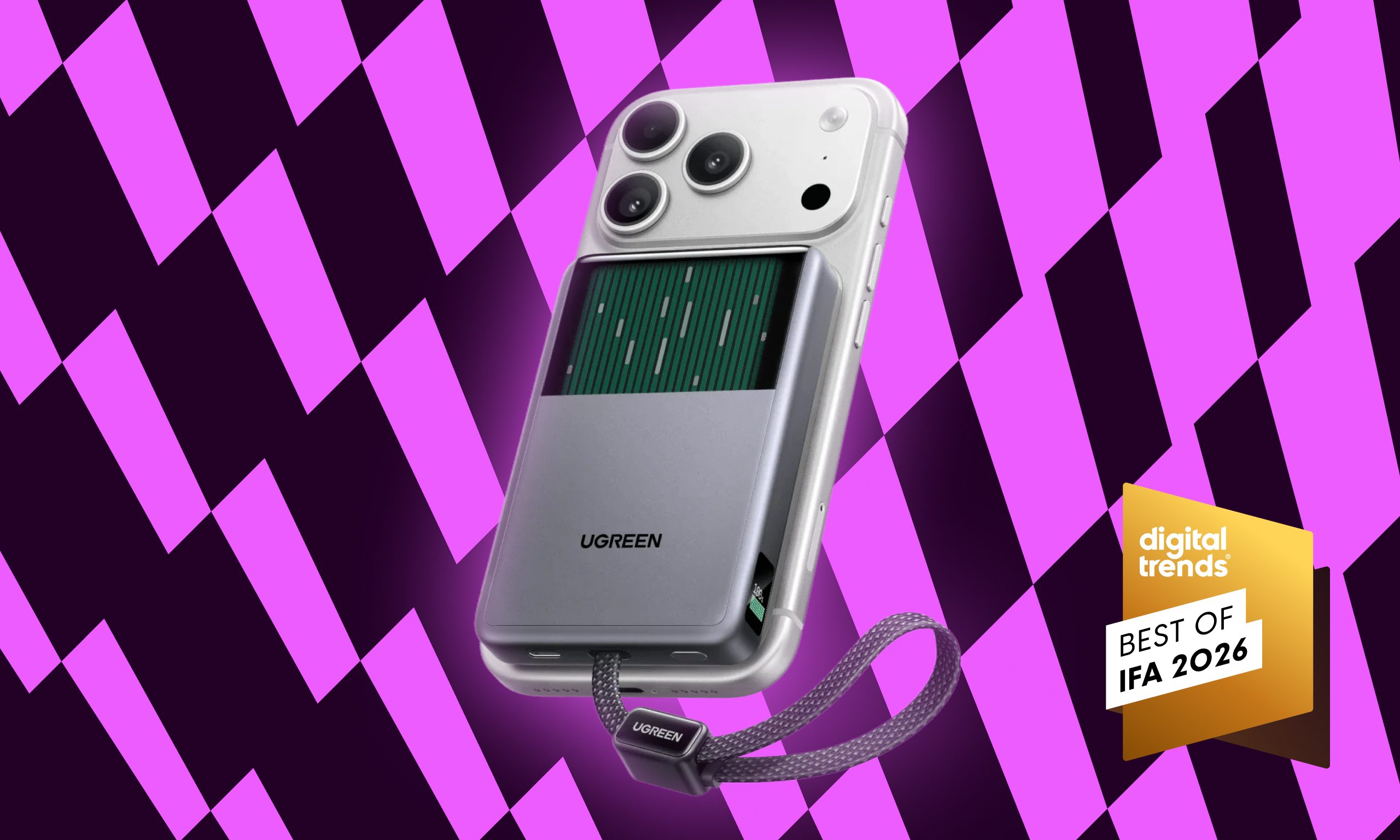
Wireless charging generates heat, and UGREEN is using active cooling to help sustain its 25W Qi2 charging performance. You can also charge via a USB-C output at 45W, with a built-in USB-C cable that doubles as a carrying strap. Lastly, a screen gives you all the necessary information. Did anyone ask for this? No.Though I can’t say this is another one of those clever solutions that make the average user’s life easier.
Anker SleepLab Pro
Any kind of sleep tracker will need you to wear something all night. For someone like me, who finds wearing a watch or ring a little uncomfortable, tracking my sleep quality becomes a bit more inconsistent. That’s why Anker’s SleepLab Pro seems perfect to me. It sits on your nightstand rather than your hand.
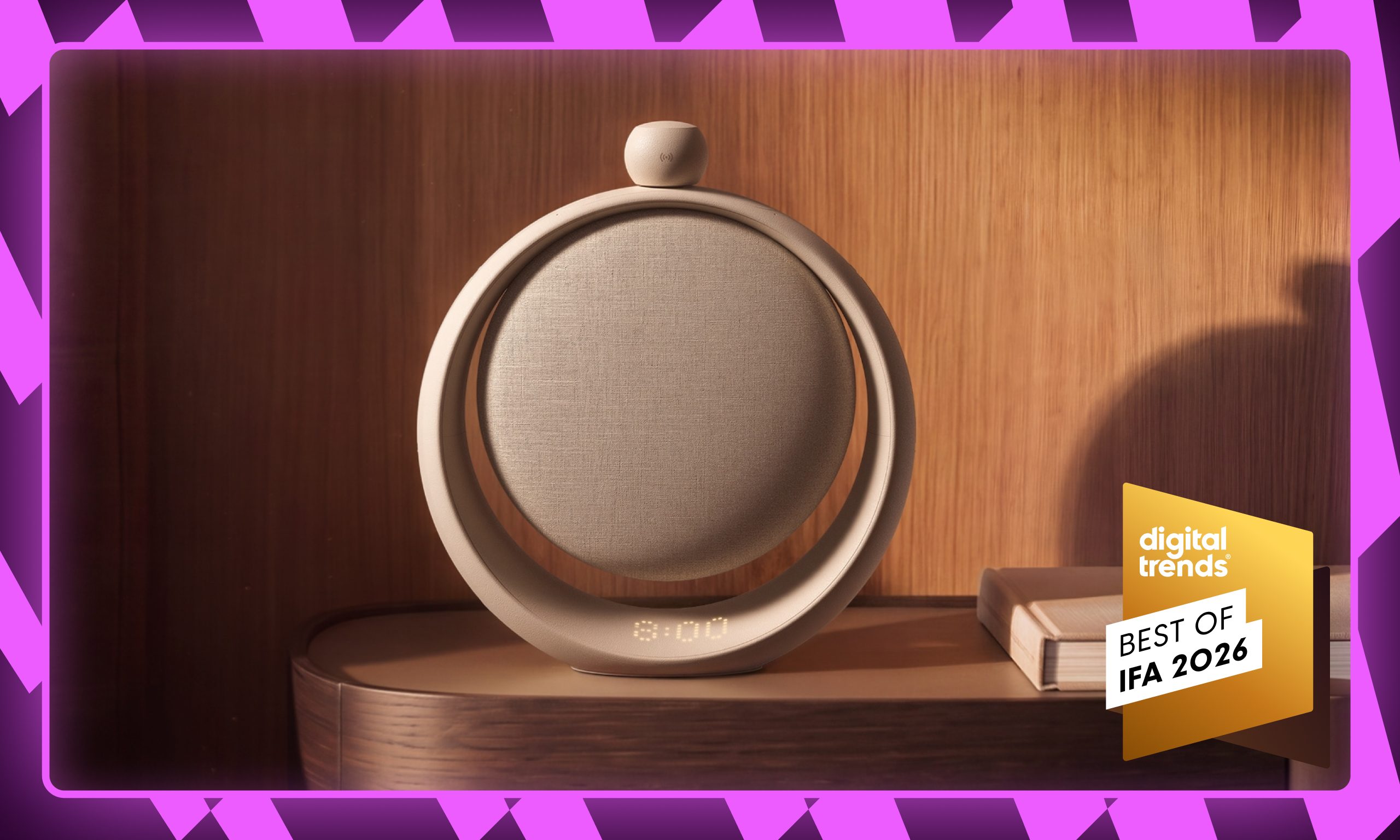
The contactless sensing can track sleep stages, heart rate, breathing, snoring, and other overnight information without requiring a wearable. It then combines that data with adaptive sound and light, including dual 7.5W speakers, guided breathing, sunrise-style lighting, and gentler alarms. Another sweet detail is the lack of any kind of subscription. Anker says the sleep reports, analytics, and audio features are included rather than locked behind another monthly payment.
iRobot Roomba Duo
The Roomba Duo looks as if one robot vacuum managed to get a pet of its own. It’s actually a surprisingly clever solution to one of the biggest physical limitations robot vacuums face. The larger Roomba handles open floors with vacuuming and steam mopping, while a mechanical arm on top carries and deploys an ultra-compact second robot capable of squeezing underneath furniture and into areas the main machine can’t reach.
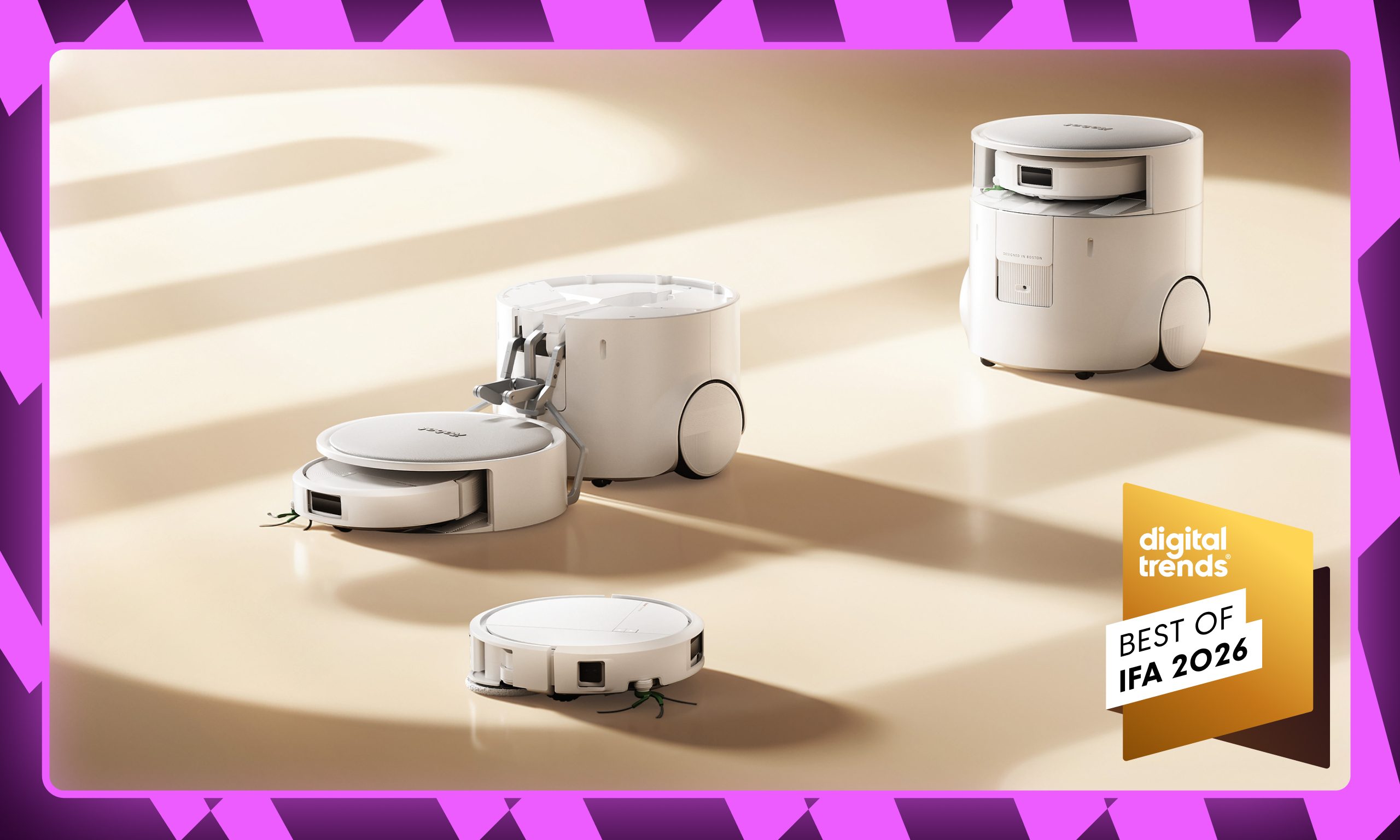
You can just dumb it down and call it a 2-in-1 Roomba. Both units share the same map and coordinate their cleaning, while the larger machine effectively doubles as the smaller robot’s transport (robot vacuum’s mount, if you will). The concept is simple, and it still feels like one of the most memorable home-tech ideas at IFA. We’ve spent years making individual robot vacuums more capable, and iRobot just gave it a sidekick.
Dyson CameraJet
Dyson built its reputation by overengineering ordinary household objects, while also looking good while doing it. So a cool new toothbrush seems like the natural progression. The CameraJet puts a 100,000-pixel macro camera next to the brush head and runs 28 images every second through a machine-learning system trained on 470,000 dental images. It looks for the spaces between your teeth and, once it identifies one, can trigger a targeted burst of mouthrinse within 100 milliseconds to clean between them while you brush.
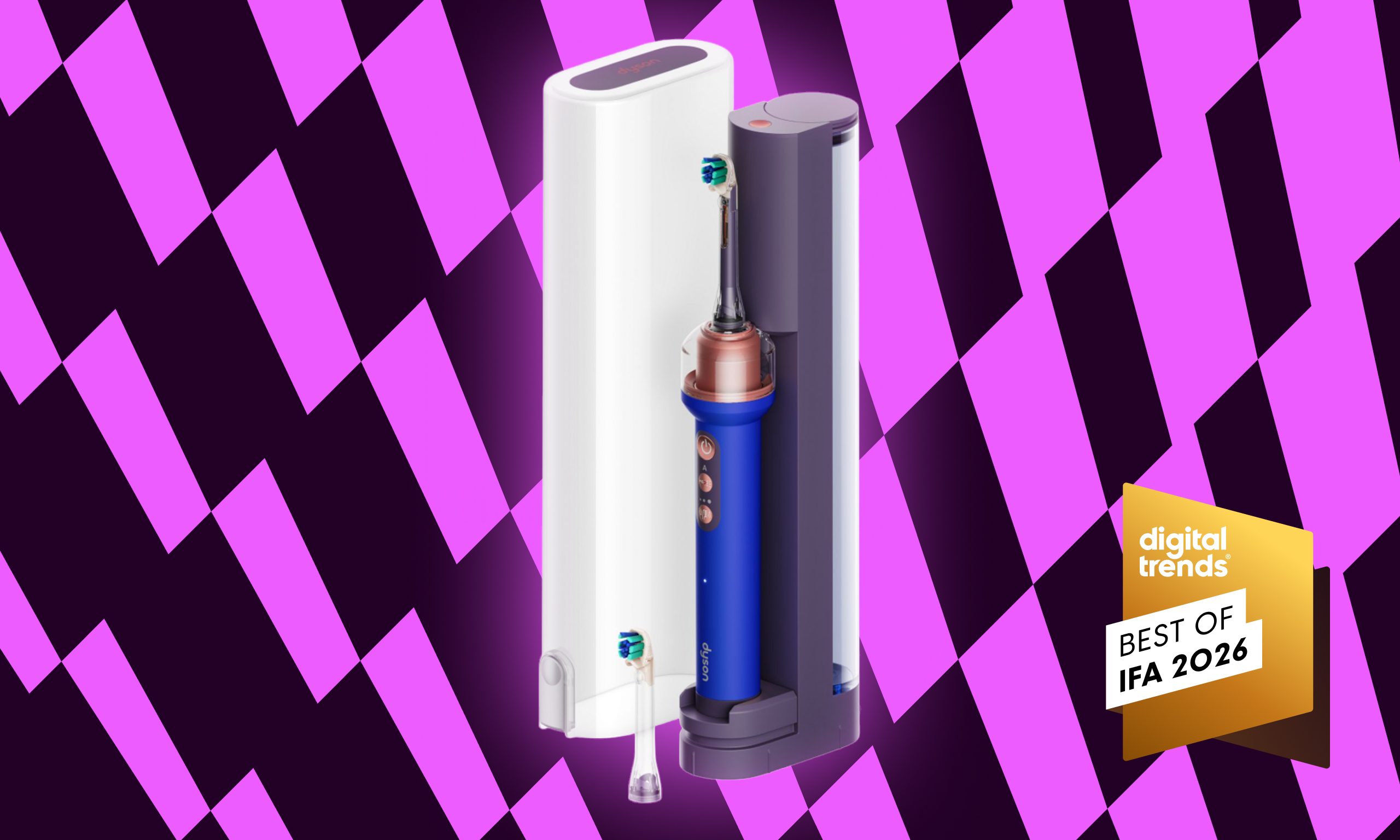
You can even view the camera feed through the MyDyson app, although Dyson says those images aren’t stored on the product or in the cloud. The $499 price tag is a lot to swallow, no doubt. But a toothbrush that can see inside your mouth and intelligently fire precision liquid sounds like the kind of dental care product Dyson would make.
DJI Osmo 360 II
360 cameras help record everything, but they also mean two lenses to worry about. The DJI Osmo 360 II addresses that with replaceable lenses, which immediately makes the camera less nerve-racking to actually use. That’s just scratching the surface too. DJI has moved to a large 1-inch-class imaging system with 8K video at up to 60fps, improved low-light capture through AI SuperNight 2.0, and the stabilization and imaging expertise it has built across its Osmo and Ronin products.
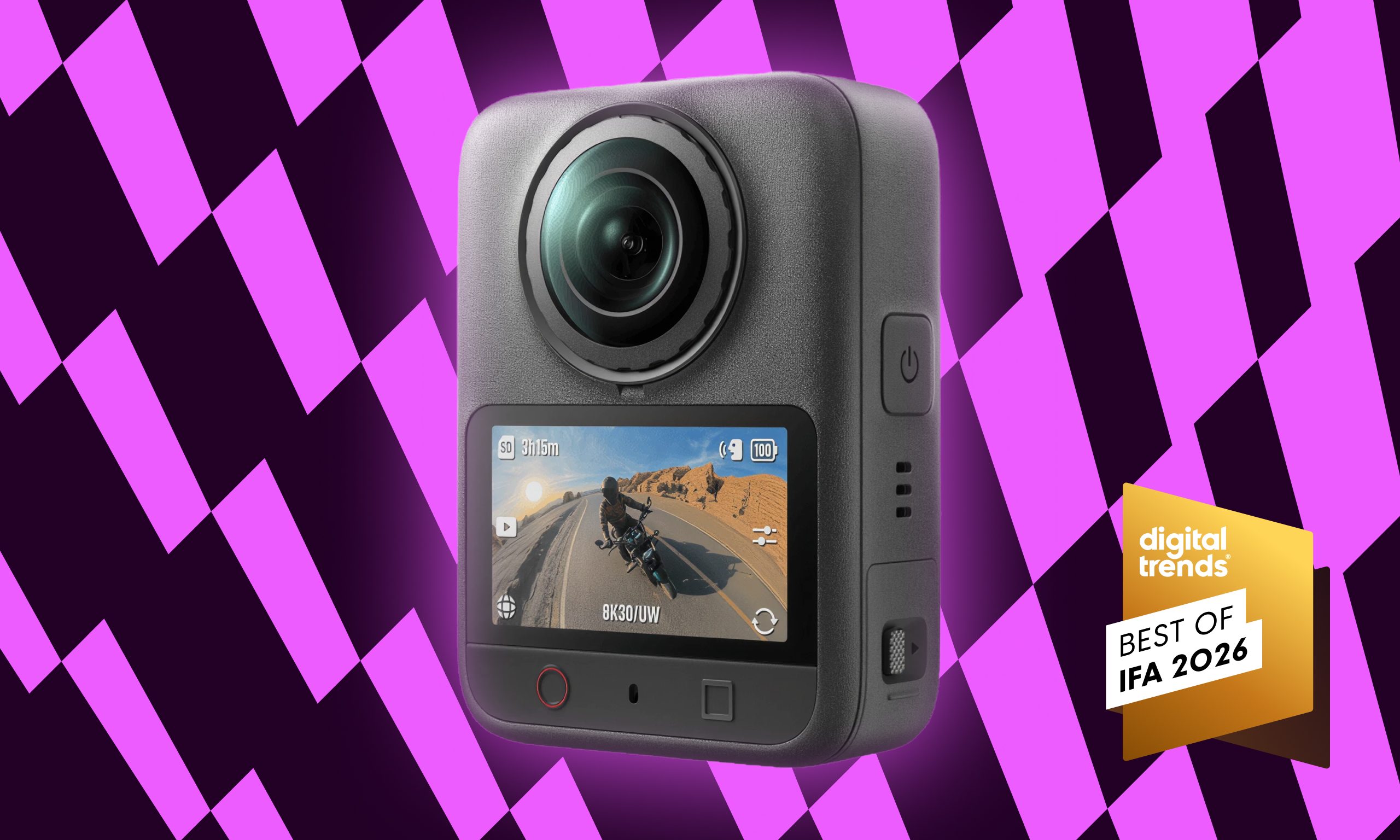
Better image quality is always welcome. But an action camera’s most vulnerable component becoming replaceable is a great quality-of-life upgrade, especially after you’ve used it for six months.
Acer Predator Atlas 7
The gaming-handheld market saw a bunch of releases that brought larger screens to the portable gaming rigs. But Acer’s Predator Atlas 7 moves in a direction I prefer. While gaming on a larger screen is more immersive, it gets a lot harder to carry around, not to mention a little more obnoxious too.
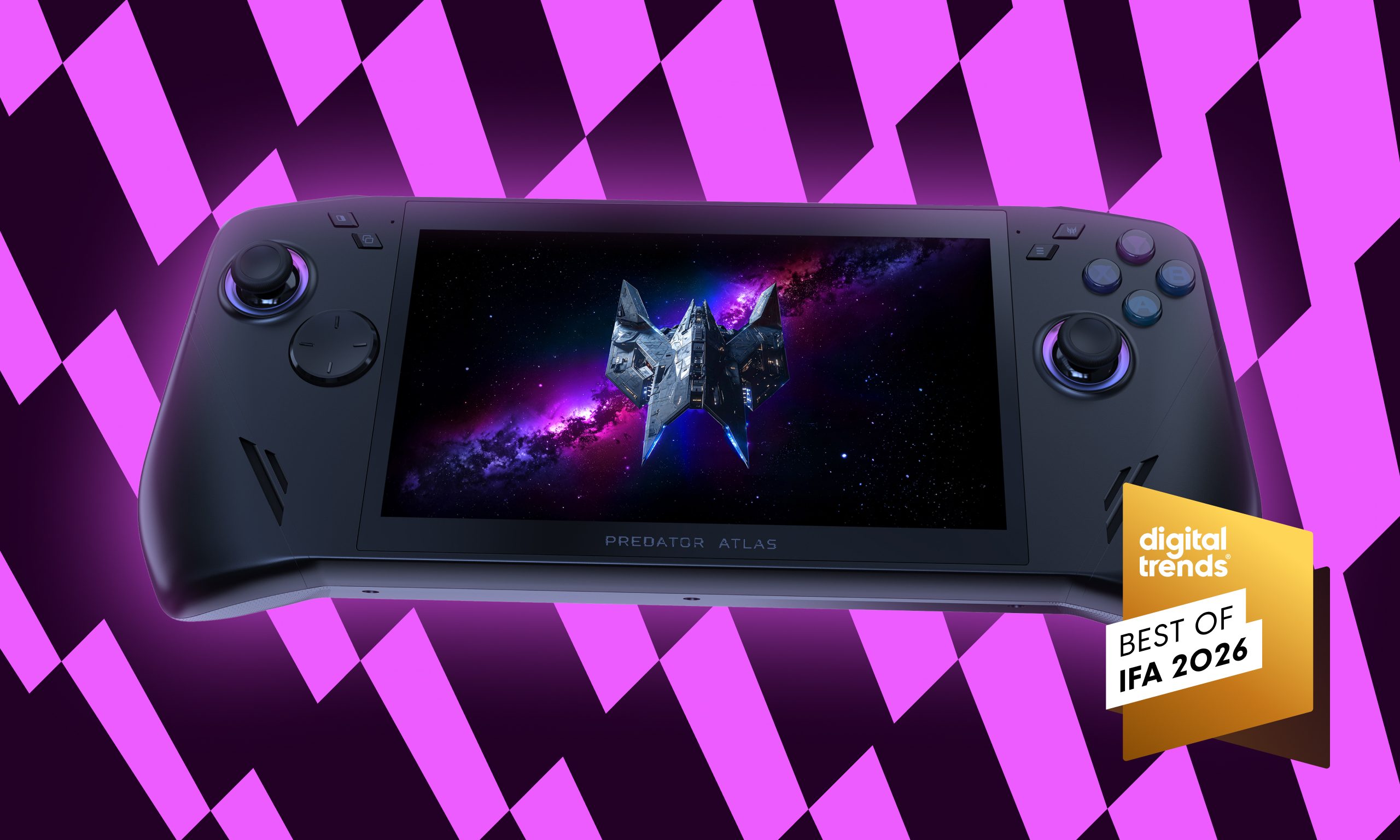
It’s essentially the flagship Atlas formula squeezed around a more manageable 7-inch 1080p 120Hz display, with configurations reaching Intel’s Arc G3 Extreme and integrated Arc B390 graphics. Acer still offers up to an 80Wh battery, dual-fan cooling, and optional TMR joysticks. That big battery is one of the more striking parts of the handheld, despite its compact form factor. Big handhelds can be wonderful until you’ve been holding one for an hour. The Atlas 7 hits the balance much better.