Plastic bottles and cookies rarely show up in the same sentence, but a team of researchers just gave us a reason to talk about both together. According to Science Daily, scientists at Southern Illinois University Carbondale have engineered yeast that can turn waste from plastic bottles and old crop leftovers into real food ingredients and create cookies.
The work began as part of a NASA program exploring how astronauts might produce their own food during deep space missions, since resupply runs from Earth aren’t exactly realistic that far out. The researchers’ big insight was simple: plastic bottles are packed with carbon, and so, as it turns out, is food. That single connection became the foundation for everything that followed.
What if your next meal started as a plastic bottle?
Instead of relying on chemical reactions to break the plastic apart, the team handed that job over to microbes. PET bottles and leftover corn stalks are first cooked down under water, heat, oxygen, and pressure until they shrink into simple molecules that yeast can actually feed on. From there, specially engineered yeast strains take over, converting those molecules into usable food components like proteins and fats.
How do you turn a plastic bottle into something edible?
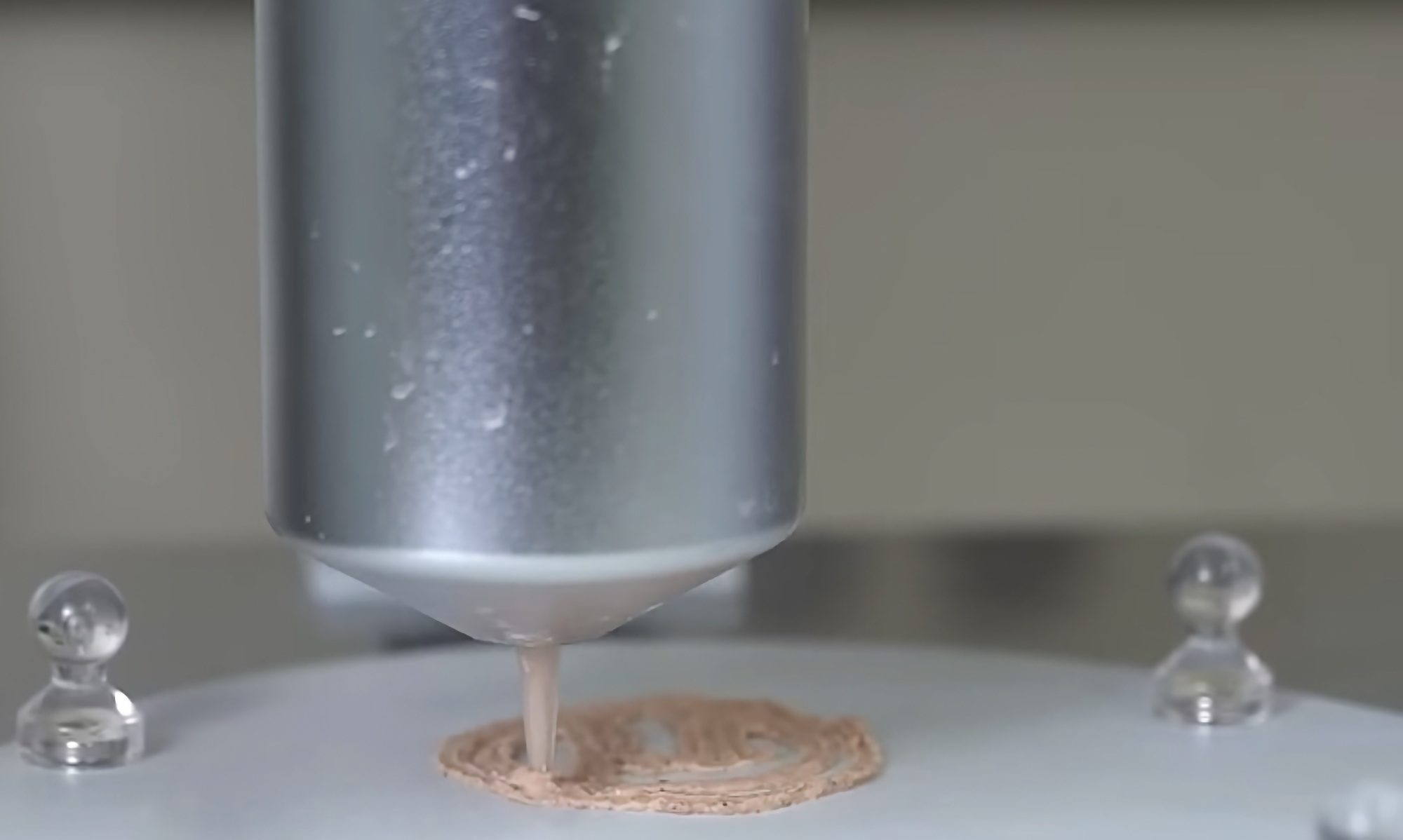
Once ready, that yeast-made mixture gets combined with starch, fiber, and a sweetener, and the whole thing is fed into a 3D printer that shapes it into small cookies called µBites. So far, people have only smelled the cookies, since actual taste tests still need approval to move forward, but most said they’d happily eat one if food ever ran short.
The team is also working on making these cookies more appealing. One yeast strain now produces natural vanilla flavor, while another turns plastic byproducts into beta carotene, something your body can convert into vitamin A.
Beyond outer space, researchers see potential uses in submarines and disaster relief zones, basically anywhere shipping large amounts of food isn’t practical. And with global food demand expected to jump as much as 56 percent by 2050, this odd little cookie experiment might end up mattering a lot more than it sounds.