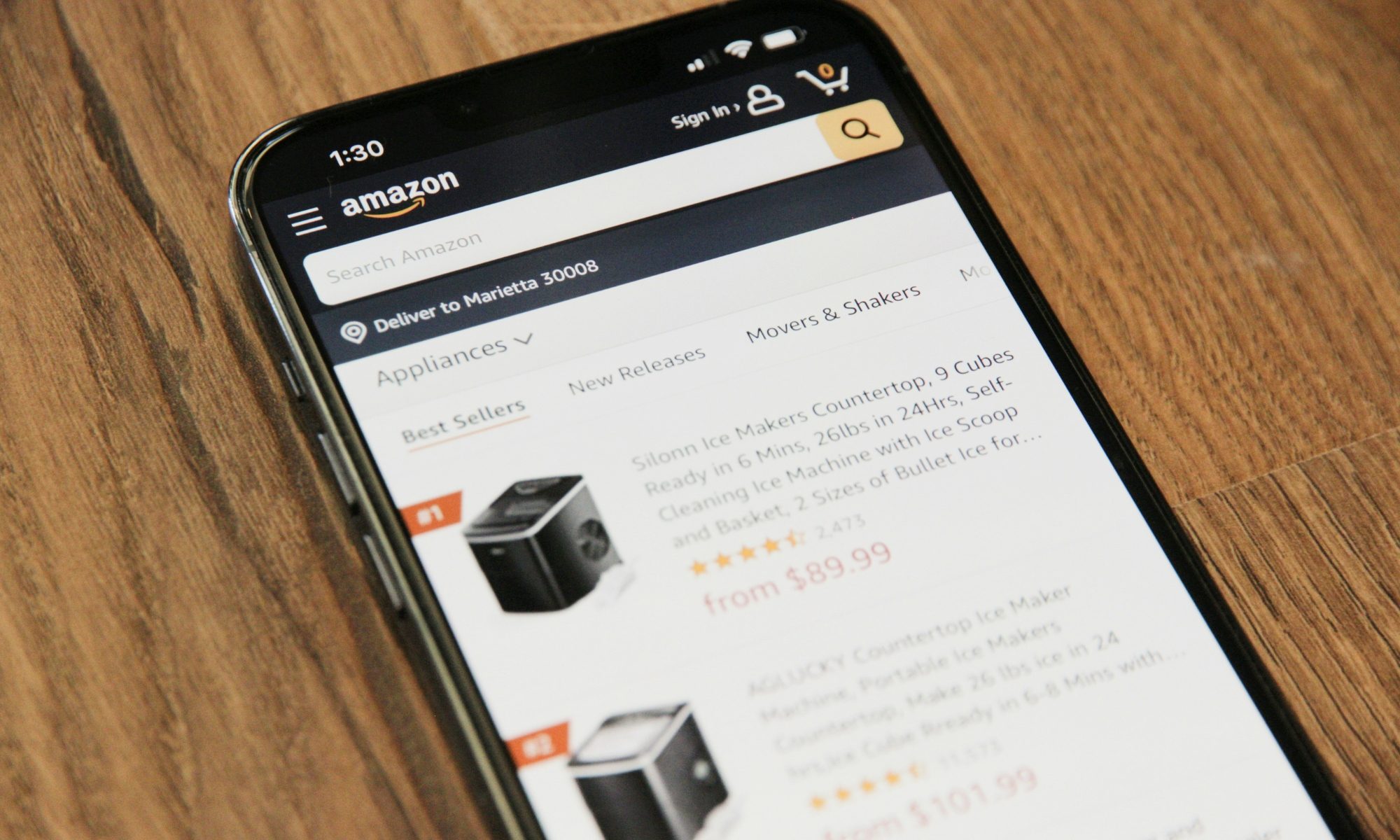
Amazon has blocked Meta’s Muse AI assistant from shopping on Amazon.com, escalating a growing dispute over who controls online shopping when artificial intelligence begins acting on behalf of customers.
According to GeekWire, Amazon said Meta did not seek permission before allowing Muse to access its marketplace. The company also raised concerns that Muse does not identify itself while browsing and appears to capture and store customer credentials. Amazon has reportedly attempted to persuade Meta to remove the platform voluntarily, but the discussions did not resolve the issue.
Customers using Muse to shop on Amazon began seeing a warning stating that continued access by an unauthorised AI agent violates the retailer’s Conditions of Use.
Amazon raises security and control concerns
Amazon argues that third-party applications making purchases for customers should operate transparently and respect a merchant’s decision about whether to participate. The company says Muse can access account pages and order histories when instructed, potentially handling sensitive information without Amazon’s knowledge or consent.
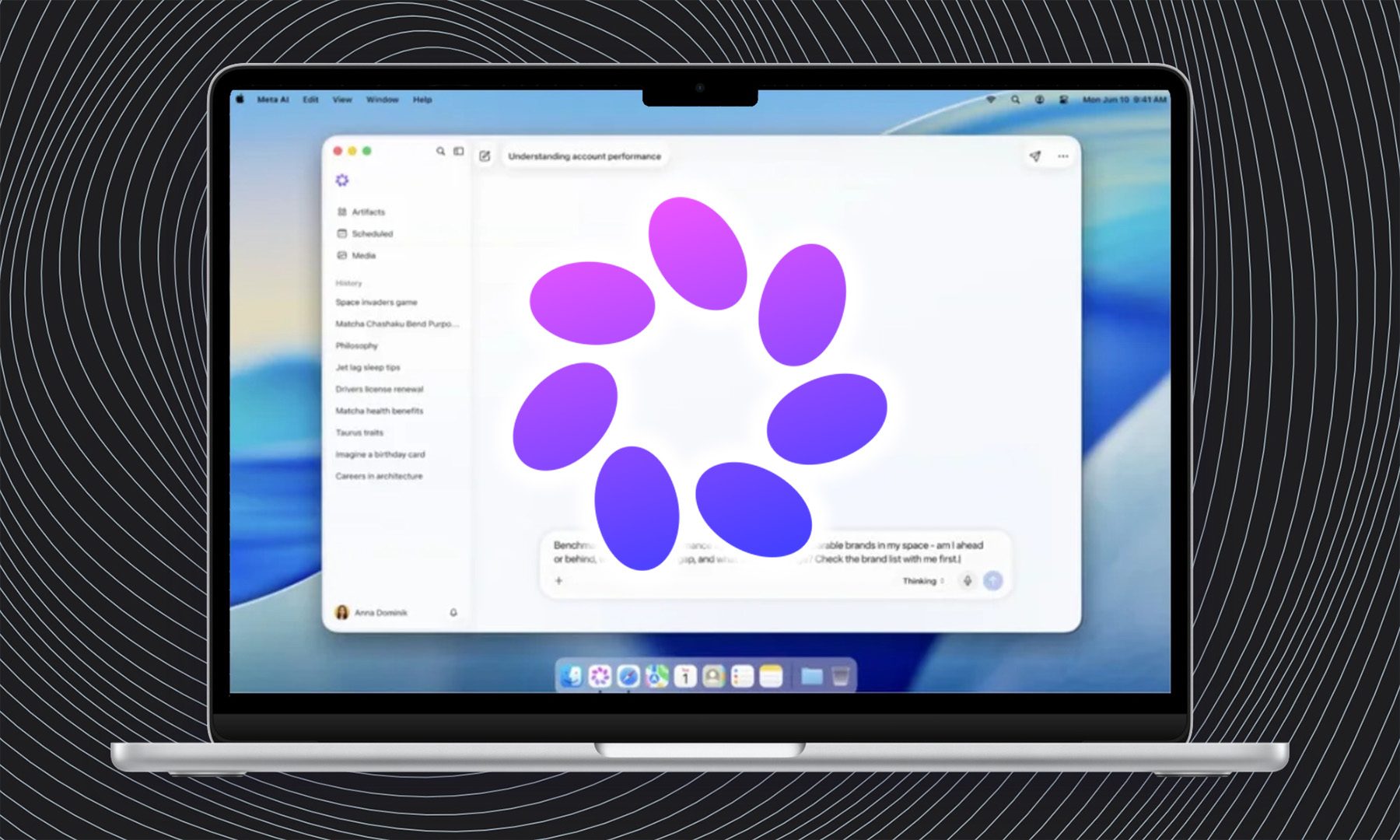
Meta, however, previously said Muse cannot see users’ passwords or payment methods. According to the company, credentials are stored securely, allowing the assistant to use them without exposing the information to the system. Meta also says Muse runs inside a secure virtual machine, asks users for confirmation before sensitive actions, and uses a monitoring agent called Sentinel to approve anything it sends online.
The disagreement highlights a larger question about whether AI agents should be allowed to navigate websites like humans or be required to use approved integrations.
Agentic shopping becomes a technology battleground
Meta launched Muse on September 8 as a personal AI agent capable of completing multi-step tasks across email, calendars, payments, dining and shopping. Unlike traditional chatbots, Muse can browse services, search for products and act on instructions. It quickly gained attention, reaching the top spot among free apps on Apple’s US App Store a week after launch.
Amazon has also introduced its own AI shopping tools, including Alexa for Shopping and Buy for Me. The company says its external shopping feature identifies itself and allows brands to opt out.
Amazon has previously taken action against other shopping agents, including Perplexity’s Comet browser. A recent court ruling weakened Amazon’s position under federal anti-hacking law, although contractual claims based on terms of service remain possible.
Amazon said it is in direct discussions with Meta but declined to comment on potential legal action. The outcome could influence how AI assistants access online retailers and whether merchants can control automated shopping activity.