That laggy video call or sluggish webpage probably isn’t your internet service provider’s fault, and a bigger bandwidth plan won’t fix it either.
A new doctoral thesis from Karlstad University found that for things like video calls, online gaming, and VR, what actually ruins the experience is latency: the time it takes a signal to travel back and forth, not how much data your connection can carry per second.

So why won’t a faster internet plan fix this?
Because bandwidth and latency measure two completely different things.
A bigger pipe lets more data through at once, which helps when you’re downloading a large file, but it does nothing to speed up how long a single signal takes to make its round trip. Researcher Simon Sundberg’s thesis tracked down exactly where that round-trip delay actually builds up, and the biggest culprit isn’t out on the wider internet at all.
It’s the connection between your ISP and your home, with additional delays potentially building up over Wi-Fi between your router and device, where delays can stack up to more than a full second. Using new measurement tools, Sundberg found extra lag in unexpected places too: inside web server software itself and inside Starlink’s satellite network.
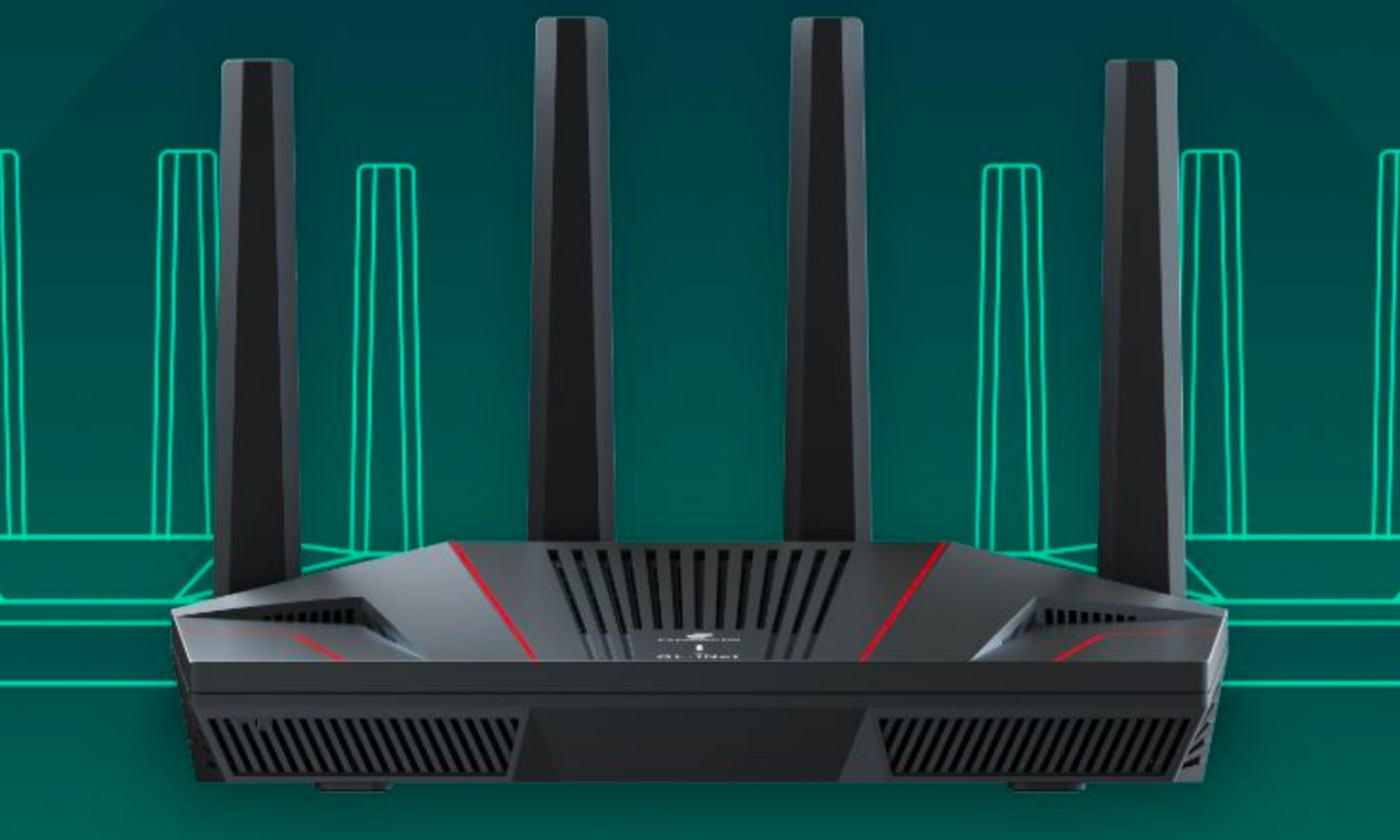
So what can you actually do about it?
Start with the cheapest and easiest fix of all. Instead of relying on a wireless network for your primary device, connect it to your router via an Ethernet cable. The logic is simple: a wired connection skips the jitter Wi-Fi adds.
If you can’t do that, move the router to a central, elevated spot in your house. Ideally, keep it away from microwaves and thick walls. You can also put real-time apps on the 5GHz or 6GHz band instead of 2.4GHz, since it is generally more congested.
Finally, you can dig into your router’s settings and tweak Quality of Service to prioritize calls and games over background downloads. If your router supports Smart Queue Management, look for fq_codel or CAKE, and enable it. That last one specifically stops someone else’s big download from spiking your latency.