If you’ve been bragging about your sleeplessness or insomnia at work, getting more done than others because they’re sound asleep after hours, or using it as an excuse to push through an unnecessarily taxing vacation, new research may make you think twice.
A review from the European Academy of Neurology and MedUni Vienna found insomnia tied to a higher risk of stroke, hospitalization, and several brain and mental health conditions.
How big is the risk exactly?
Researchers pooled nine studies covering 1.3 million people; that’s a large, robust sample. They found that insomnia raises the risk of a stroke by 26%. This is likely linked to a buildup of neurotoxic proteins and brain inflammation, but it’s not proven cause and effect.
A separate analysis of over 500,000 patients linked it to a 28% higher chance of hospitalization, and not just for a particular reason, but for any reason.
The review also connected insomnia to dementia, depression, and suicidal behavior. However, those links were less consistent. Oddly, it found no link to earlier death, so it’s more of a warning sign.
Chronic insomnia already affects roughly 22% of adults, worse in women and nearing 30% in older age groups, which is what makes this study even more important.
Why won’t your fitness tracker catch this?
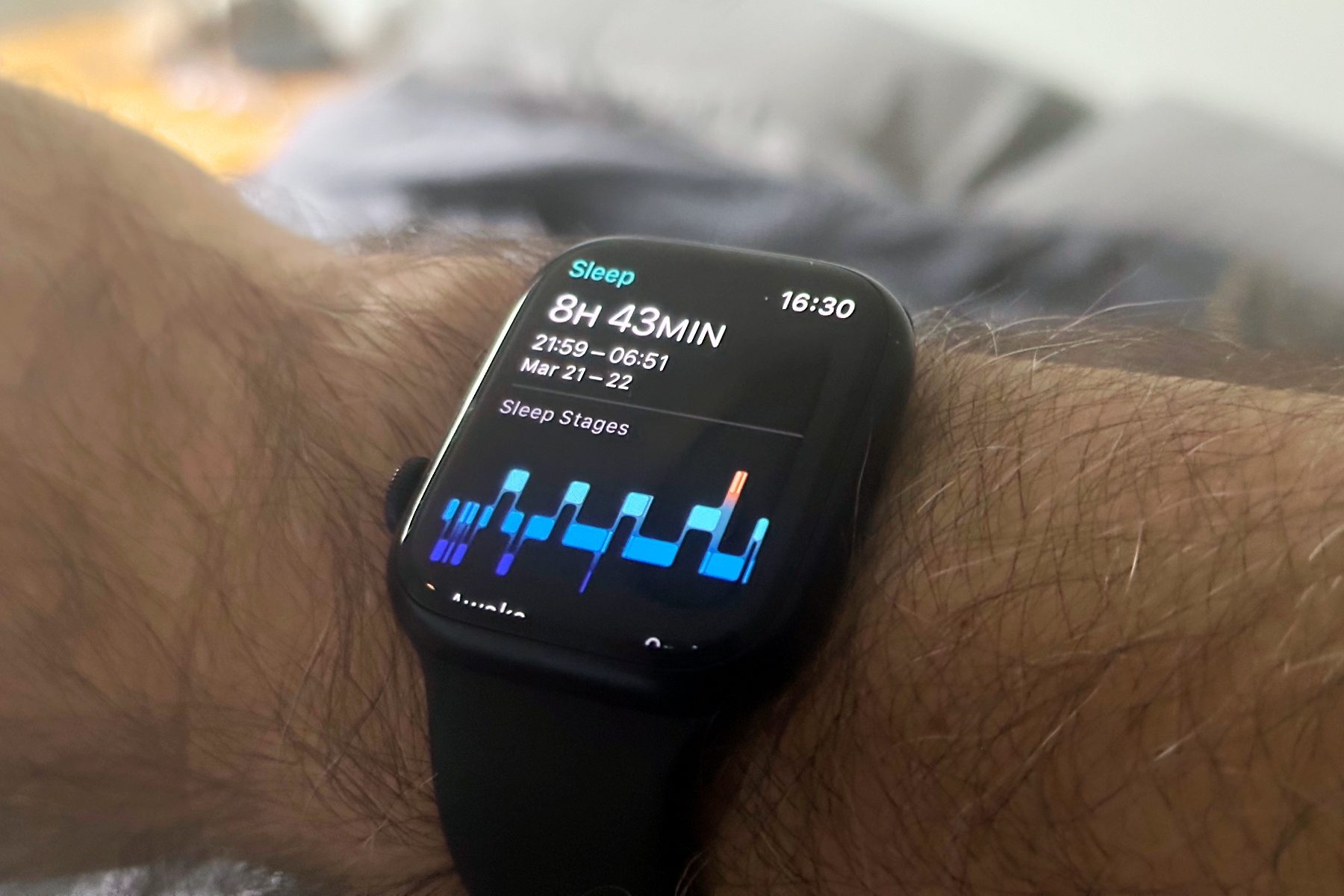
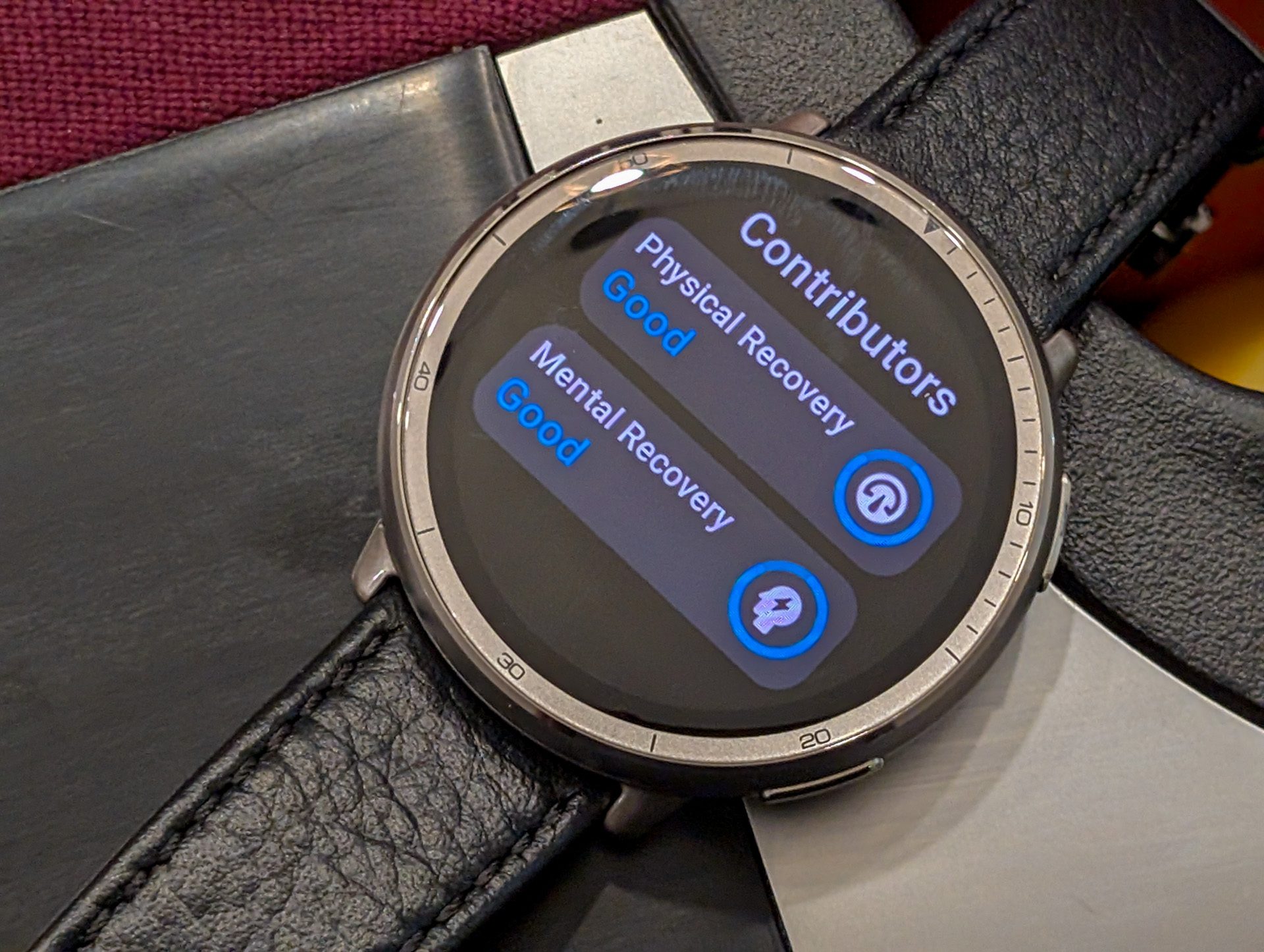
Your smartwatch or sleep ring is designed to measure movement and heart rate, not diagnoses. Real insomnia is a clinical condition that constitutes several factors, including but not limited to how you feel, how long it takes to fall asleep, and sometimes an overnight sleep study.
None of these fit inside a wearable’s algorithm. Fitness trackers, at least the current ones on the market, are pretty good at tracking your sleep hours or how well your body recovered during sleep, but they’re not programmed to link sleeplessness to serious underlying brain-related health conditions.
The review points to cognitive behavioral therapy as the standard first treatment, with newer medications as backup, and argues insomnia belongs in brain-health conversations, not just sleep ones.