External GPUs have always come with a fairly simple compromise. You get desktop-class graphics power on a laptop, but the machine still needs to stay tethered to an enclosure through Thunderbolt or OCuLink. WiCi One wants to cut that last cable.
WiCi is preparing what appears to be the first commercial wireless eGPU, using Wi-Fi 7 to give nearby laptops, tablets, and other devices access to a desktop Nvidia GPU. The $1,999 early-signup configuration comes with an RTX 5060 Ti packing 16GB of VRAM, while an RTX 5090 version with 32GB is also planned.
Games and applications continue running on the user’s own machine. WiCi’s Driver mode presents the box as a virtual GPU, so supported software can send GPU workloads across the local network much like it would to an external graphics card connected over a cable.
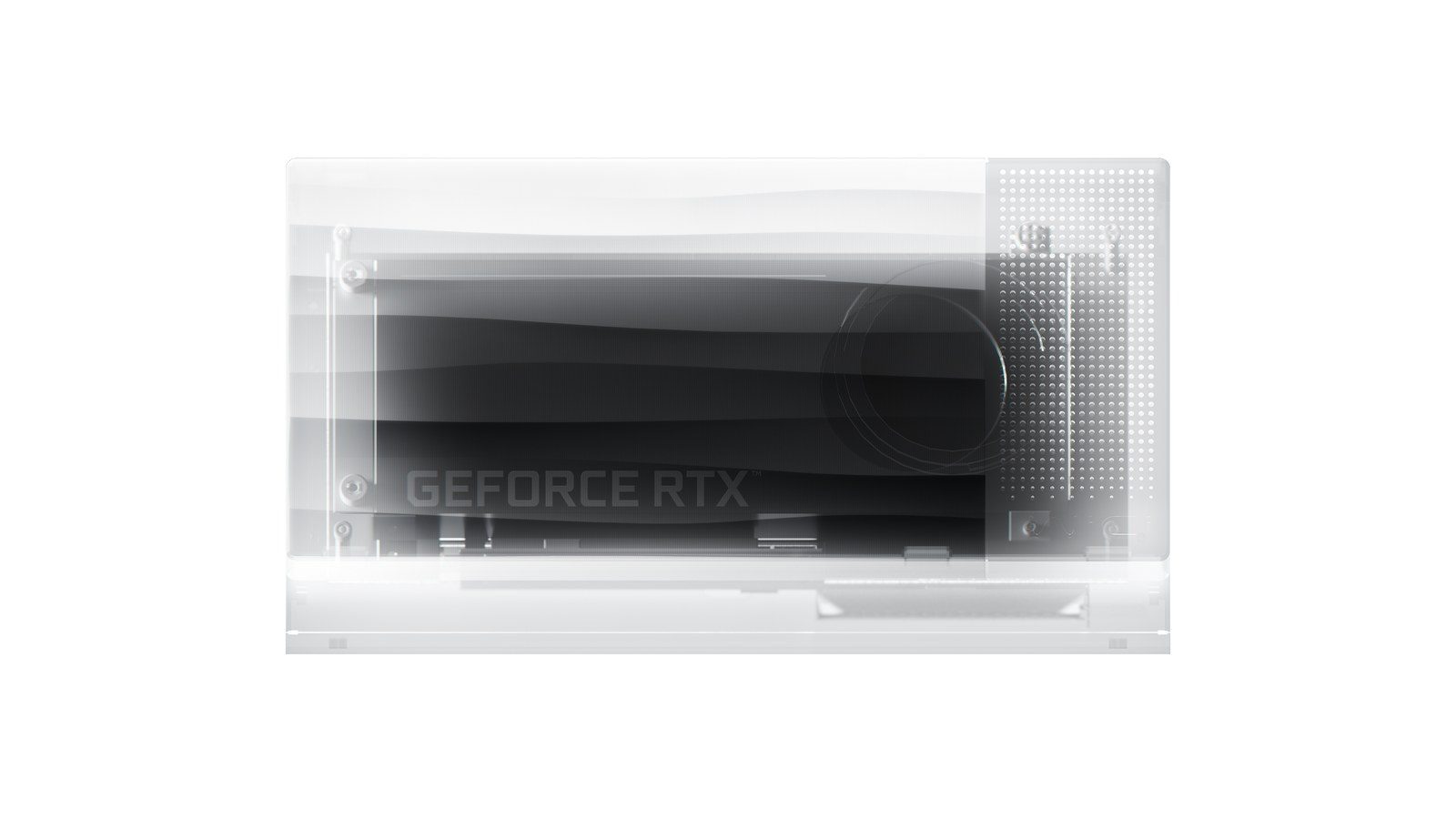
One GPU for gaming, creative work, and local AI
WiCi is pitching the One for a lot more than gaming. Applications such as Premiere Pro, Blender, and CapCut can offload GPU work to the box, while separate SDK and API modes support local AI software.
The built-in NVMe storage also lets WiCi stream model weights that are too large to fit entirely inside the GPU’s VRAM. The company claims its RTX 5090 configuration can run the 2.8-trillion-parameter Kimi K3 model at around 5 tokens per second. Its own gaming tests put Cyberpunk 2077 at 80 fps at 4K Ultra with DLSS 4 on the RTX 5060 Ti version. Both numbers come from WiCi’s internal testing and have yet to be independently verified.
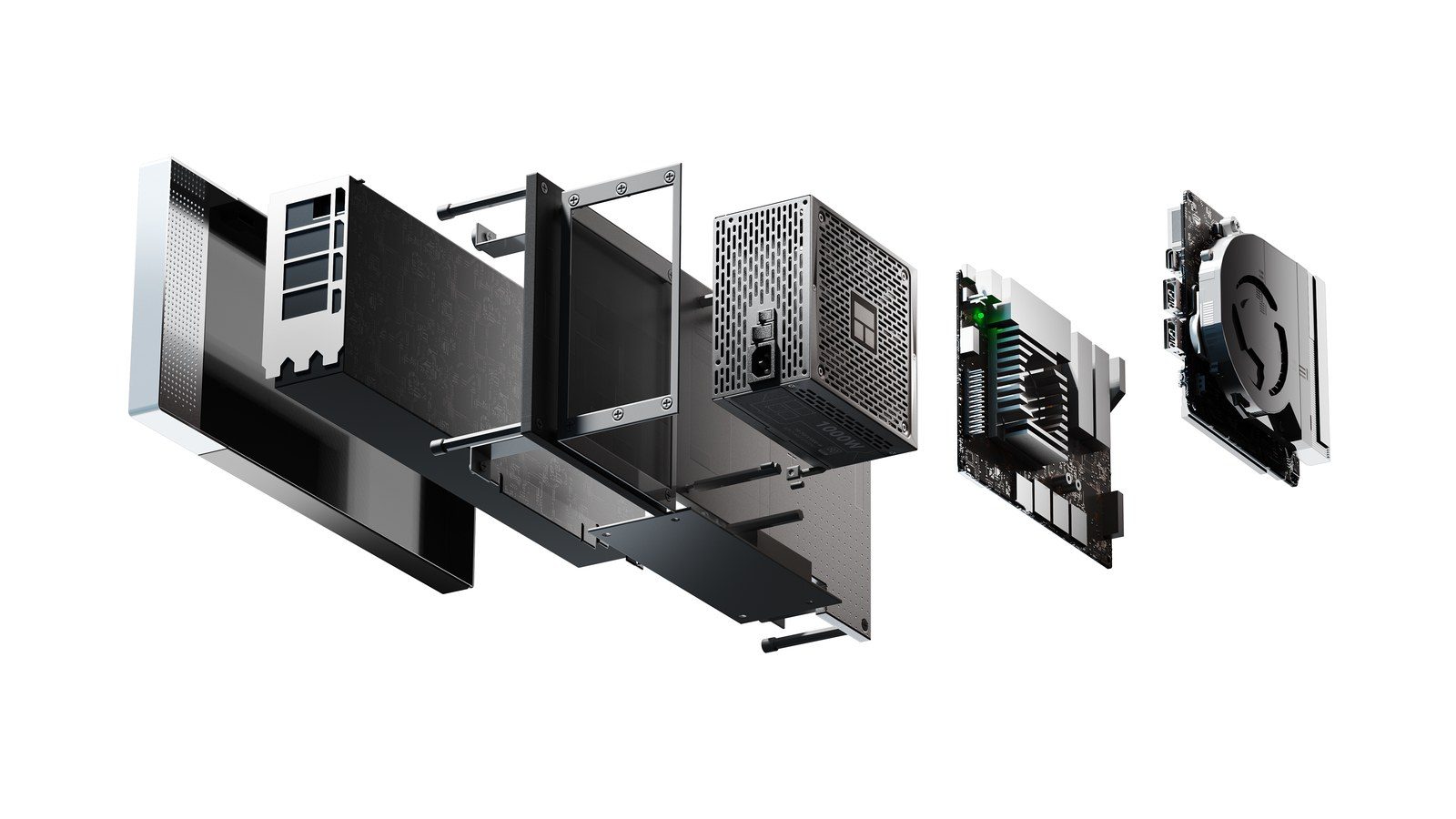
Wi-Fi is still the big trade-off
The obvious concern is bandwidth. External GPUs already lose some performance compared with a graphics card sitting directly inside a desktop, even over fast wired connections. VideoCardz estimates WiCi One’s 4×4 Wi-Fi 7 connection at a theoretical 11.5Gbps, well below the 64Gbps PCIe bandwidth available through Thunderbolt 5 or PCIe 4.0 x4 OCuLink.
WiCi says its software tackles that limitation by reducing network calls through caching, deduplication, streaming, and pipelining. Even the company acknowledges that performance will still depend on the workload and network conditions. How well that works in a busy home, across longer distances, or through walls will need independent testing.