There’s a lot of information to unpack here, a big complicated mess of stuff to use a highly technical term. But the core issue is that I think Meta, one of the only corporate forces actually driving VR gaming forward, isn’t.
Welcome to the Boost Mode newsletter. Every week I share my insights on PC gaming, desktop setups, and hardware optimization. I also track down some of the most interesting PC and nerd news from around the web, plus a PC game pick you might not have seen elsewhere. Want this newsletter to come directly to your inbox? Sign up on our website!
How Facebook got to the party
The discussion requires a bit of context. Oculus, the company that started the most recent push into VR, was founded in 2012. It released the Oculus Rift in 2013, a PC-based VR setup combining a headset, tracker, and controllers. The company was bought by Facebook in 2014, which eventually completely absorbed the former into sub-units. Various other headsets have been released, notably the Oculus Quest, based on Arm hardware and running a modified version of Android, in 2019.
Facebook rebranded as Meta in 2021, essentially betting the farm on the “Metaverse,” a vision of the future of gaming, work, and the internet at large where everyone was operating in virtual reality and mixed reality. To make a complex situation pithily simple, it seems like Mark Zuckerberg watched Ready Player One, saw baby’s first cyberpunk corporate dystopia, and said “Yeah, I wanna be the bad guy from that movie.”
The Quest series of headsets continued as a cheap-ish way for people to get into VR. At the same time in the middle of the pandemic, Meta-nee-Facebook tried desperately to convince everyone that wearing two pounds of tech on your face for eight hours a day, while paying the company for every interaction on the web, was a good idea. It, um, didn’t go well.
Valve
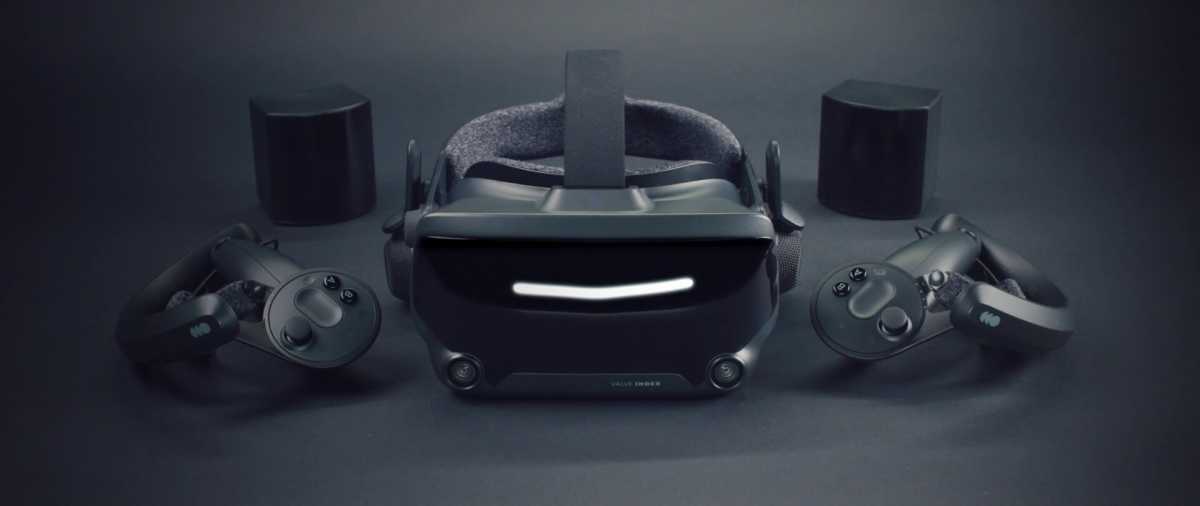
Running in parallel to Zuckerberg trying to turn the internet into his own digital fiefdom (in his defense, he’s has some success before!), VR gaming had a mini-renaissance. In addition to Oculus/Meta investing billions into VR gaming mostly focused on the standalone/mobile side of the equation, Valve was partnering with various companies to push VR gaming on the PC side. Notable releases include the HTC Vive in 2016 and Valve’s own-branded Index in 2019, both of which require a gaming PC.