Microsoft has spent the past couple of years trying to convince us that AI belongs at the center of the PC. Now, it looks ready to take another swing at the idea. The company is holding an event in San Francisco on October 7 centered around the future of local AI on PCs. It’s bringing some big names along for the ride, too, including Microsoft CEO Satya Nadella, Windows and Devices chief Pavan Davuluri, and Nvidia CEO Jensen Huang.
That lineup alone makes this worth watching, but the timing is particularly interesting. Copilot+ PCs haven’t transformed Windows overnight, and features like Recall have faced plenty of privacy scrutiny. Microsoft now appears ready to shift the conversation toward agentic AI, where AI doesn’t just respond to a prompt but can actually carry out tasks on your behalf.
Microsoft may finally tell us more about its monster AI laptop
Microsoft may also address some unfinished hardware business at the event. Microsoft announced the Surface Laptop Ultra in June as one of the first PCs powered by Nvidia’s RTX Spark platform, but two key details were missing: when you can buy it and how much it will cost. The machine itself is clearly aiming high. It has a 15-inch mini-LED display that can reach 2,000 nits, a huge trackpad, and a generous selection of ports. Under the hood, RTX Spark combines 6,144 Blackwell GPU cores with 20 Arm CPU cores and supports up to 128GB of unified memory, while drawing up to 80 watts.
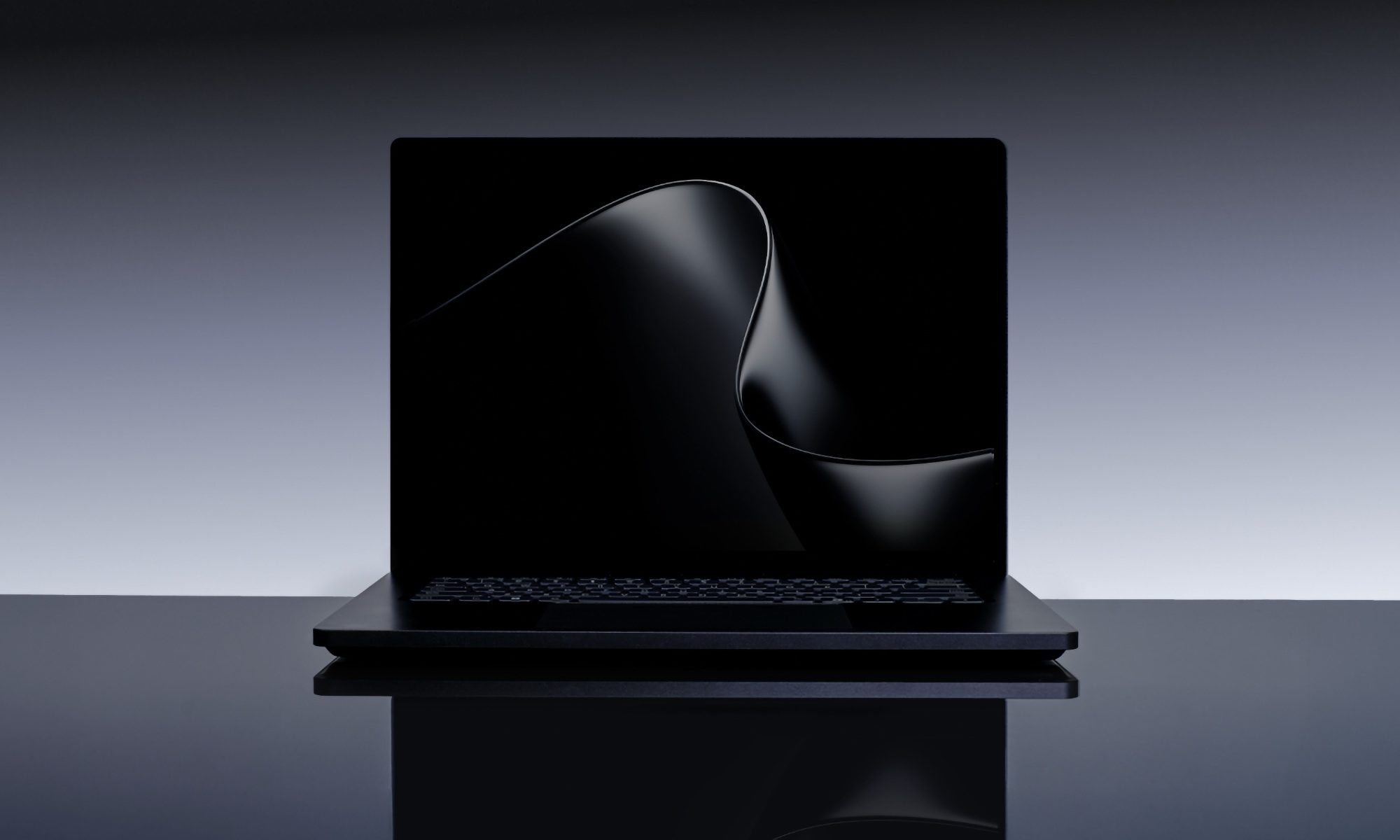
That enormous pool of memory is especially important for running larger AI models directly on the device instead of constantly leaning on the cloud. Of course, hardware built for that kind of workload doesn’t tend to come cheap, so pricing will be one of the biggest details to watch for on October 7.
But the bigger story could be what Windows does with all that AI
The hardware may only be half of Microsoft’s plan. The company has already experimented with agents in several places. Project Solara demonstrated how an AI assistant could operate across different devices, while Office Agent and the agent built into Windows Settings offer much smaller examples of AI taking action instead of providing an answer. Microsoft has also been reshaping Copilot around more automated workflows, which makes the October event particularly intriguing. The next logical step would be giving Windows an AI layer capable of handling multi-step jobs across apps, files, and potentially online services with much less hand-holding.
That also raises an obvious question: how much access should an AI agent have to your computer? An assistant that can work across files, apps, and browsing activity could be incredibly useful, but it would also need clear privacy boundaries. That balance between usefulness and trust may ultimately matter more than any AI demo Microsoft shows onstage. We should find out how it plans to tackle both on October 7.