That’s what’s happened to a handful of players on different competitive multiplayer games, most recently chronicled in this Reddit post from a German Valorant player. The poster said that they picked up a used Ryzen 7 5800X3D CPU, which worked just fine…but found themselves instantly banned from the game when they logged in. The culprit (aside from the alleged cheater) is anti-cheat systems that tag a lot more than just your account or your IP address. Modern anti-cheat software also tags hardware, down to individual hardware components.
Upon contacting support at developer Riot, the user was told that there was nothing that would be done to alleviate the situation. Not only that, but the player’s other components, including motherboard and storage, were also blacklisted in the Vanguard anti-cheat system.
Hardware identification requires fairly deep hooks into a PC’s operating system and even BIOS. For example, Heise.de reports that Vanguard only operates if you’ve got Secure Boot and a Trusted Platform Module enabled — these are some of the reasons that games like Valorant and others still aren’t available on Linux or SteamOS. Similar anti-cheat hardware checks, and the occasional false positive after secondhand hardware goes to a new owner, have been reported for years.
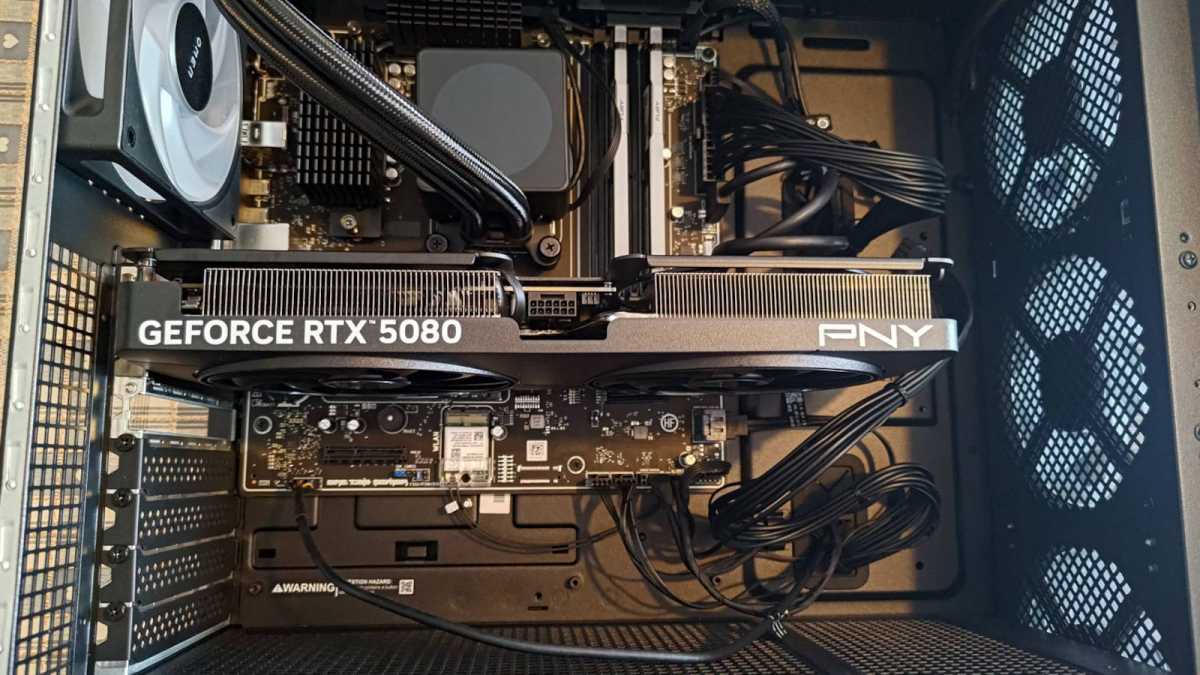
Jon Martindale / Foundry
Exactly what checks each anti-cheat system uses aren’t generally known. But from a hardware perspective and with those deep kernel-level tools available, it’s technically possible for the software to identify individual components including:
- CPU
- Graphics card
- Motherboard
- SSD or hard drive
- Network adapter
- Specific operating system license
- Any combination of the above
Various other, less invasive data points can be used to “fingerprint” individual users beyond their accounts.
I reached out to Riot, Valve, and Epic Games — operators of Vanguard, Valve Anti-Cheat, and Easy Anti-Cheat, respectively — for comment on this story. I asked if they could offer a guide on which hardware could be flagged, how buyers might avoid blacklisted parts on the secondary market, and what recourse an innocent deal-hunter might have if they find their account banned after installing a new part. None of them responded before publishing. Based on my research on the scant cases for the past few years, customer support is generally unwilling to lift bans put in place through hardware ID.