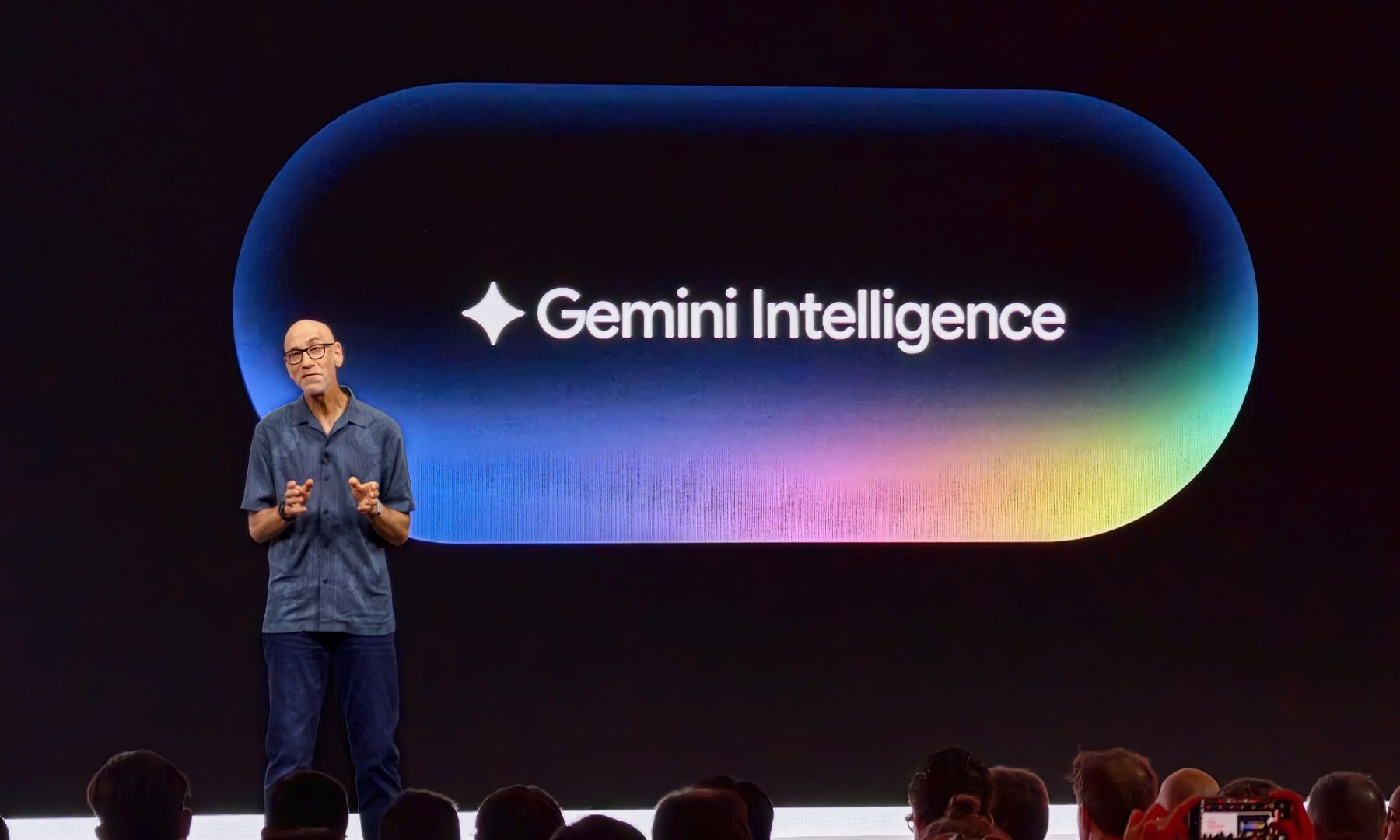
So, Google finally launched Googlebooks a few days ago, and to absolutely nobody’s surprise, the pitch was mostly about Gemini Intelligence. I got a pretty good head start on forming an opinion, though. At this year’s Snapdragon Summit, I spent quite a bit of time with the Google team, heard them explain the thinking behind the product, got my hands on the laptop, and played around with its various AI tricks and demos.
Since then, I’ve let all of that marinate in my head. I’ve bounced my thoughts off my editor and colleagues, had conversations with folks from Google, questioned my own first impressions, and generally tried to figure out what I’m missing. Honestly? I’m still not sure what problem Googlebook is trying to solve.
That’s not me saying Googlebook is a bad laptop. In fact, that’s what makes it so difficult to pin down. There are some genuinely clever ideas here. Gemini is woven deeply into the experience; Android phones and the laptop are designed to work together, and Google has clearly spent a lot of time thinking about what an AI-native computer could look like. But the more I used it, the more I kept asking the same question:
What does Googlebook actually give me that a good Windows laptop or MacBook doesn’t?
And at $899 and up, that’s not an insignificant question. Because you see, the thing is that a Googlebook isn’t trying to compete with the cheap Chromebooks that made ChromeOS popular. It’s entering the same territory as premium Windows laptops, MacBooks, and increasingly capable Snapdragon PCs. Google has built a very interesting laptop. I’m just not convinced it has built a necessary one.
Google’s AI pitch is actually pretty good
I’ll give Google this: the company isn’t simply throwing Gemini into a Chromebook and calling it innovation. Googlebook has some genuinely interesting ideas.
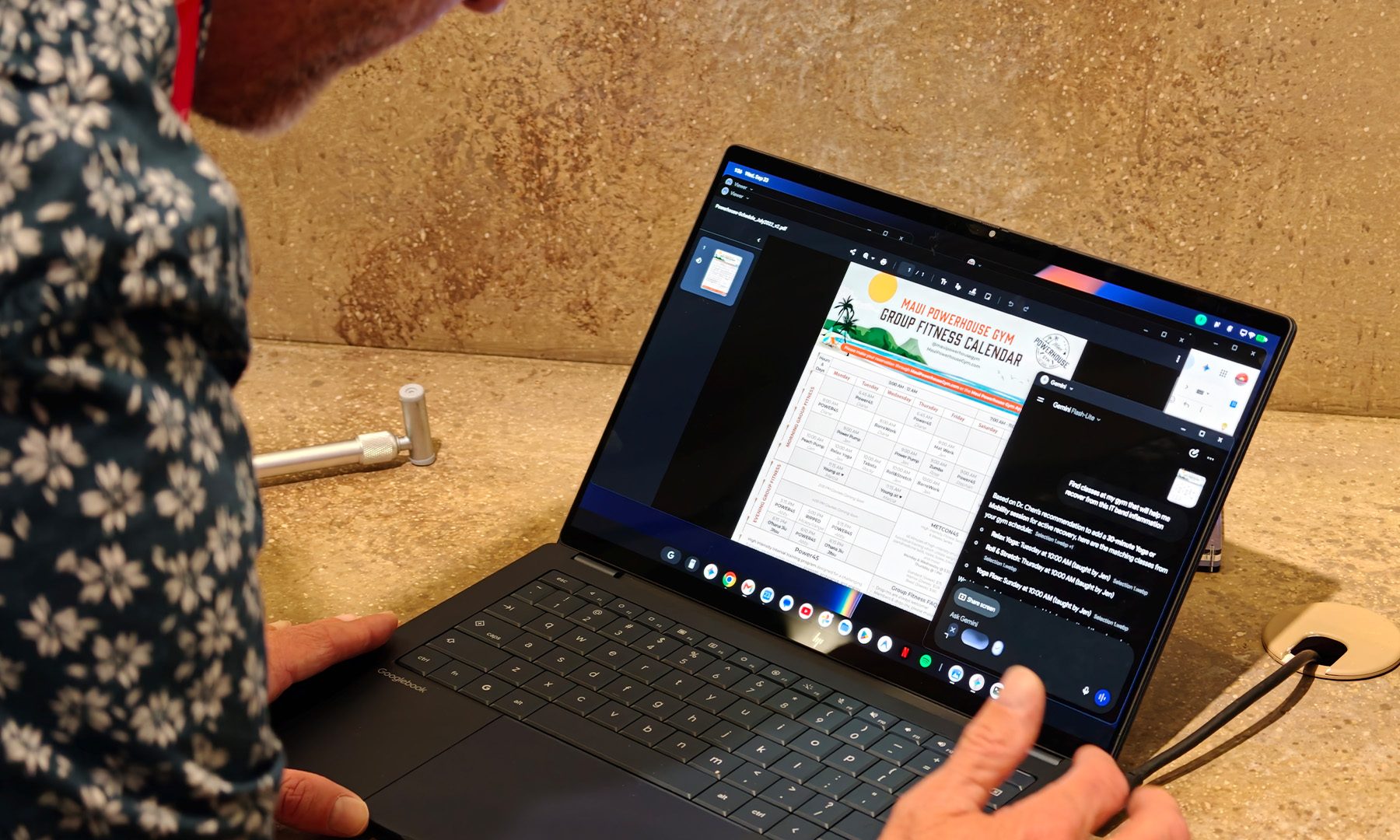
For starters, Magic Pointer turns the cursor into a contextual Gemini interface, while Rambler is designed to turn a messy stream of spoken thoughts into organised text. Then there are AI-generated widgets, Gemini-powered workflows, and Google’s Antigravity development environment for people who want to use AI to build rather than simply chat with it.
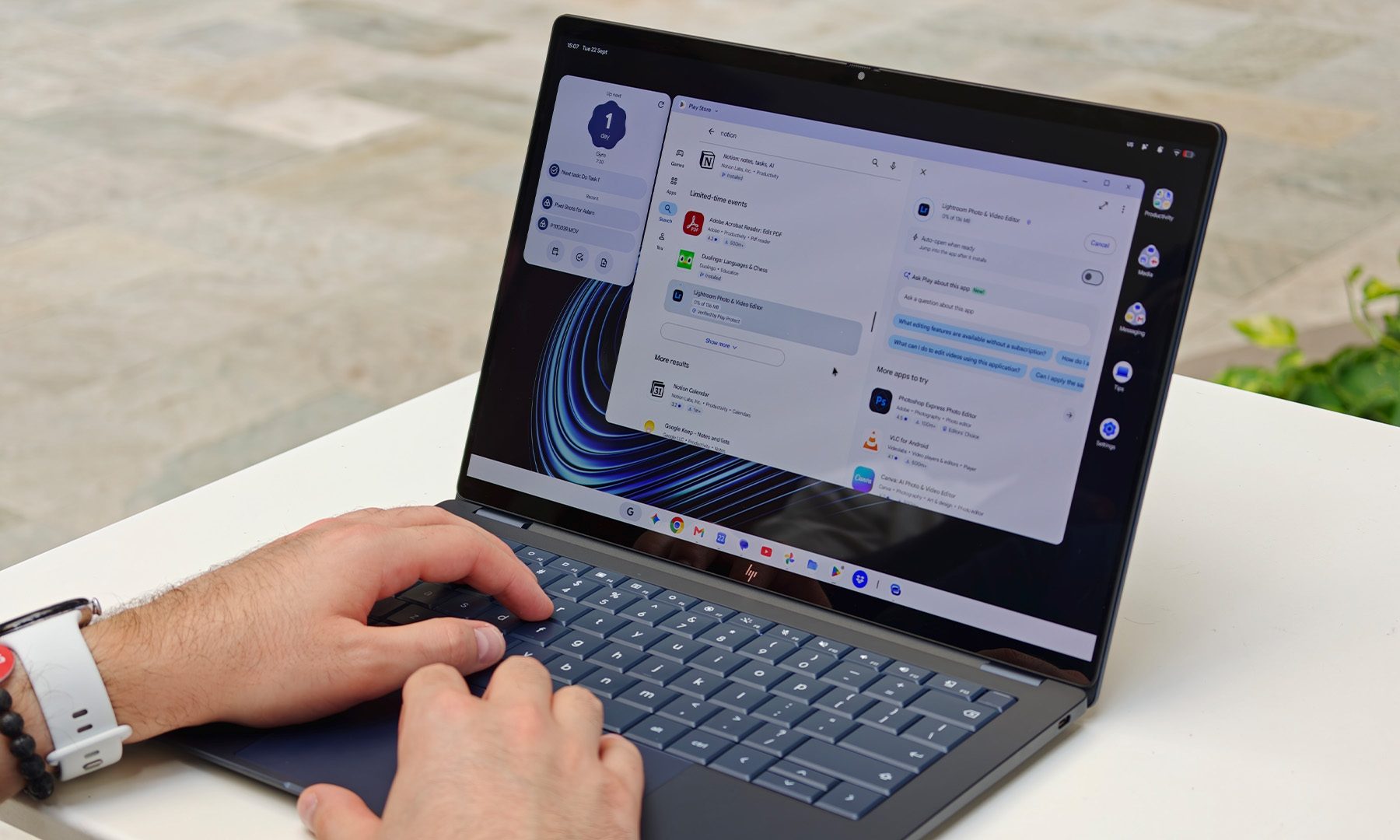
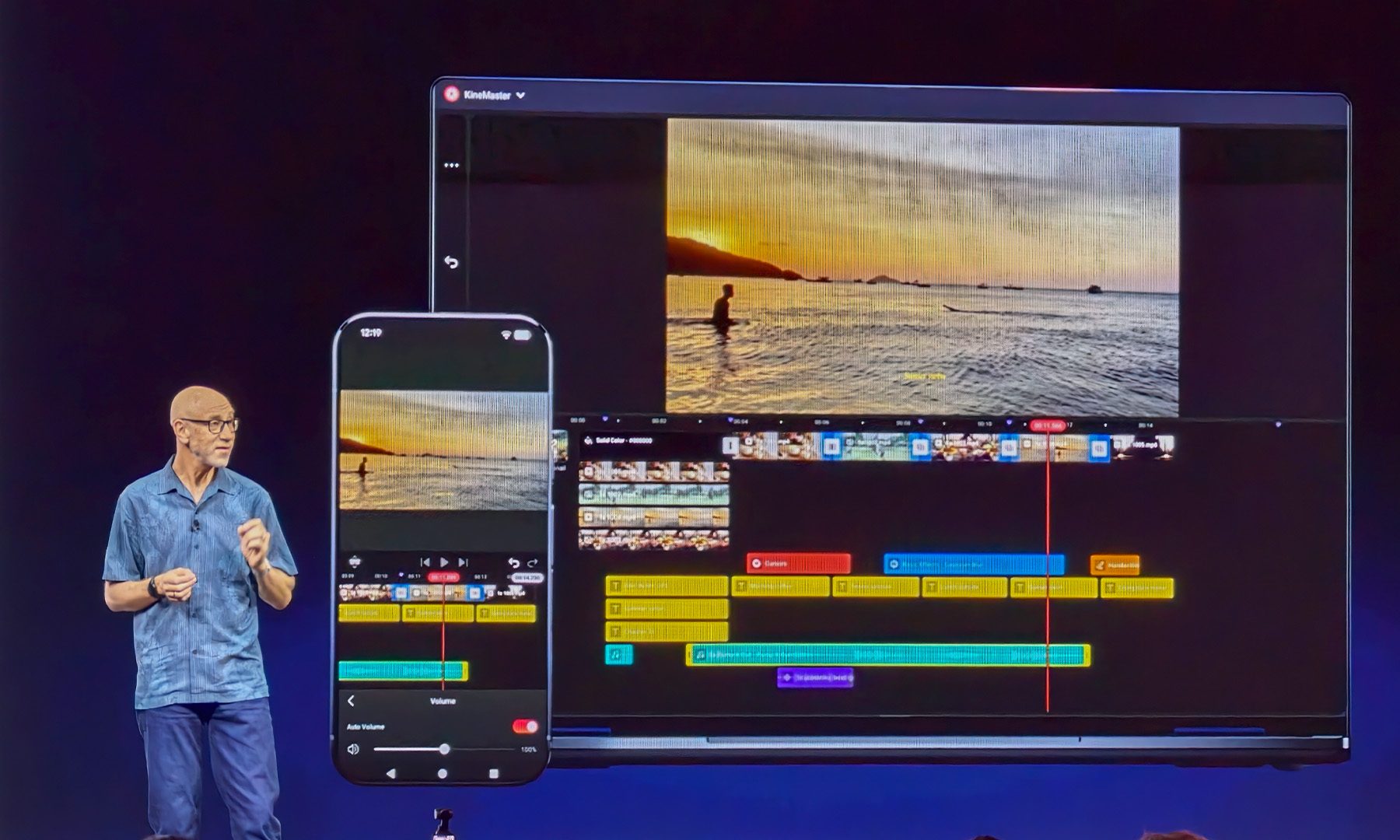
Then there is the Android integration. Googlebook is designed to bridge the gap between an Android phone and a laptop, allowing users to access phone files, continue tasks, and bring Android apps onto the larger screen. For someone already invested in Google’s ecosystem, I can absolutely see why that sounds appealing.
And I can see the bigger vision, too. The laptop of the future shouldn’t just sit there waiting for a user to open an app and tell it what to do. It should understand context, remove tedious steps, and eventually take care of entire tasks on its own.
The problem is that most of Google’s magic feels like software that could eventually live anywhere.
Rambler is clever, but AI-powered transcription and writing tools already exist. Not to forget that the so-called Pixel 11 exclusive feature is already available on other Android phones via a patched Gboard APK. Screen-aware AI isn’t exclusive to Googlebook. AI coding tools certainly aren’t.
If Create My Widget catches on, I have a hard time believing the basic concept will remain locked to one operating system either. A developer with a Mac or Windows PC and access to Gemini, Claude, ChatGPT, or an open-source model can already build surprisingly sophisticated things very quickly.
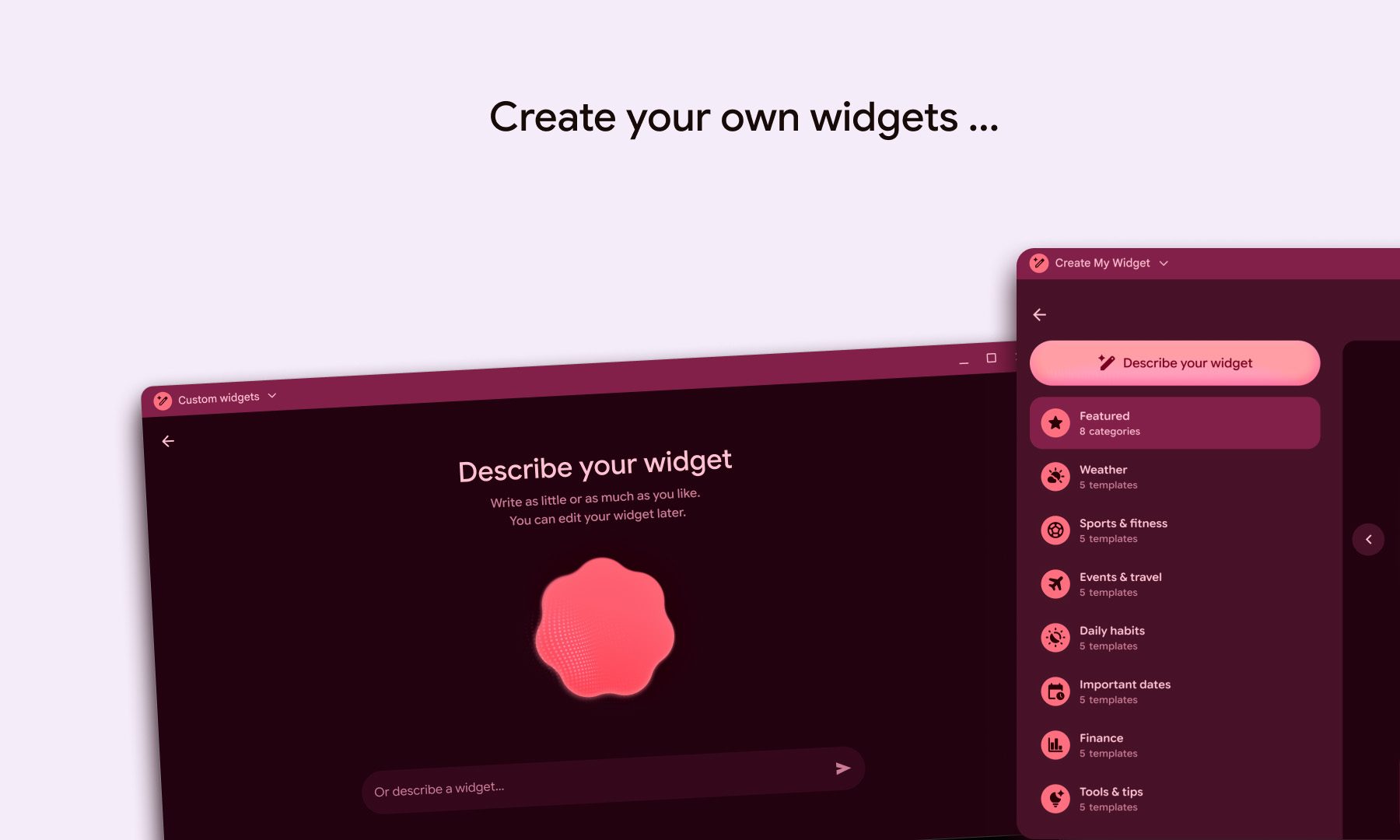
The AI is the interesting part, no question. The laptop is just where Google decided to put it, and I’m not convinced that’s enough of a reason to buy one.
Coz I actually used the thing
This is where my opinion gets considerably less charitable. Google argues that phones and laptops have historically existed as two separate islands, and Googlebook is supposed to build a bridge between them. That’s a perfectly reasonable argument, particularly if the phone on the other side of that bridge is an Android phone. But once I started using Googlebook as an actual computer rather than looking at Google’s carefully choreographed demos, the cracks became harder to ignore.
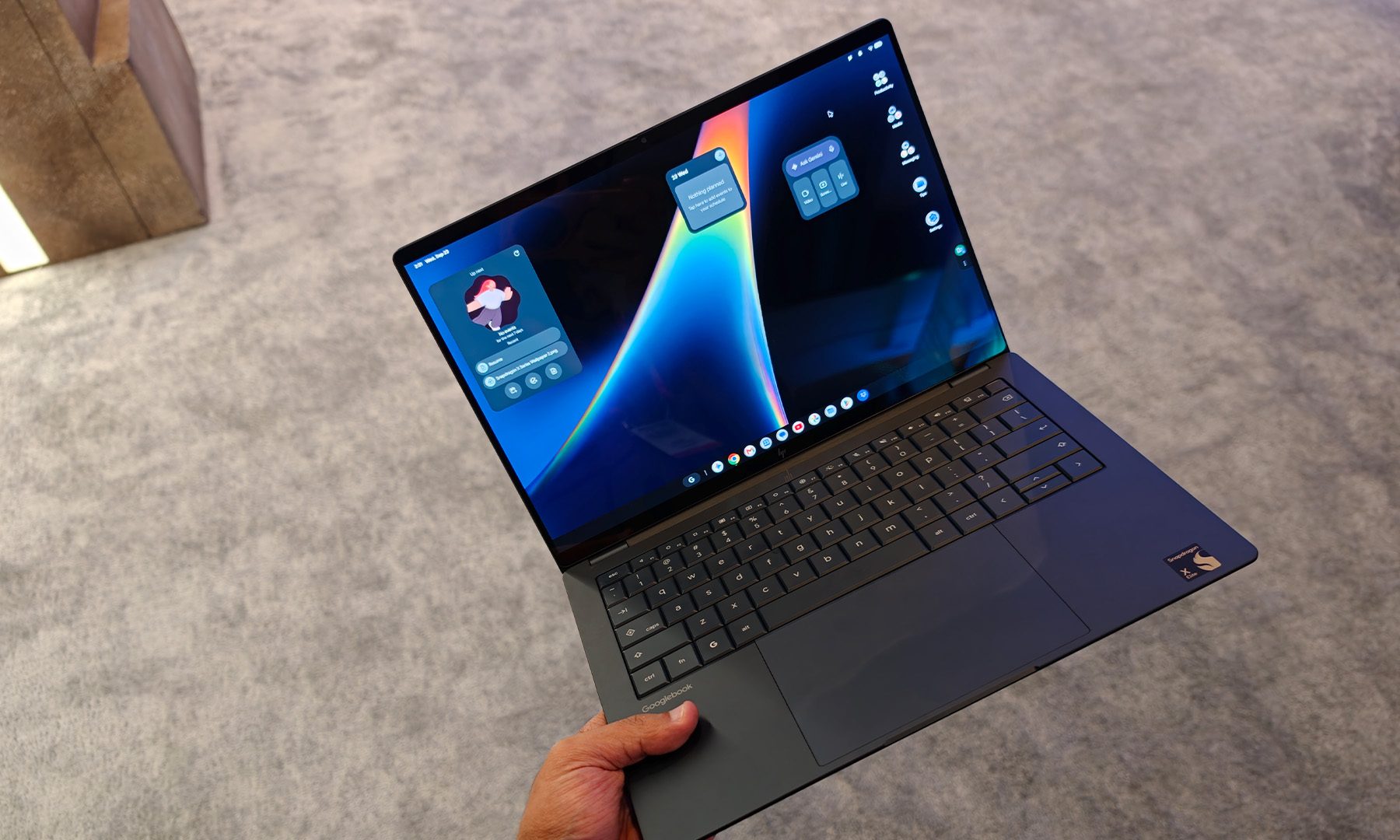
Take virtual desktops. This sounds like an incredibly minor complaint, but it drove me mad. When I had multiple desktops open, I found myself having to invoke the window overview and manually navigate through the available desktops instead of simply moving between them with a 3- or 4-finger gesture on the touchpad, basically how I instinctively expect from a modern desktop operating system. Maybe that’s a small thing. But when I’m using a laptop as my primary computer, dozens of these small interactions become the experience.
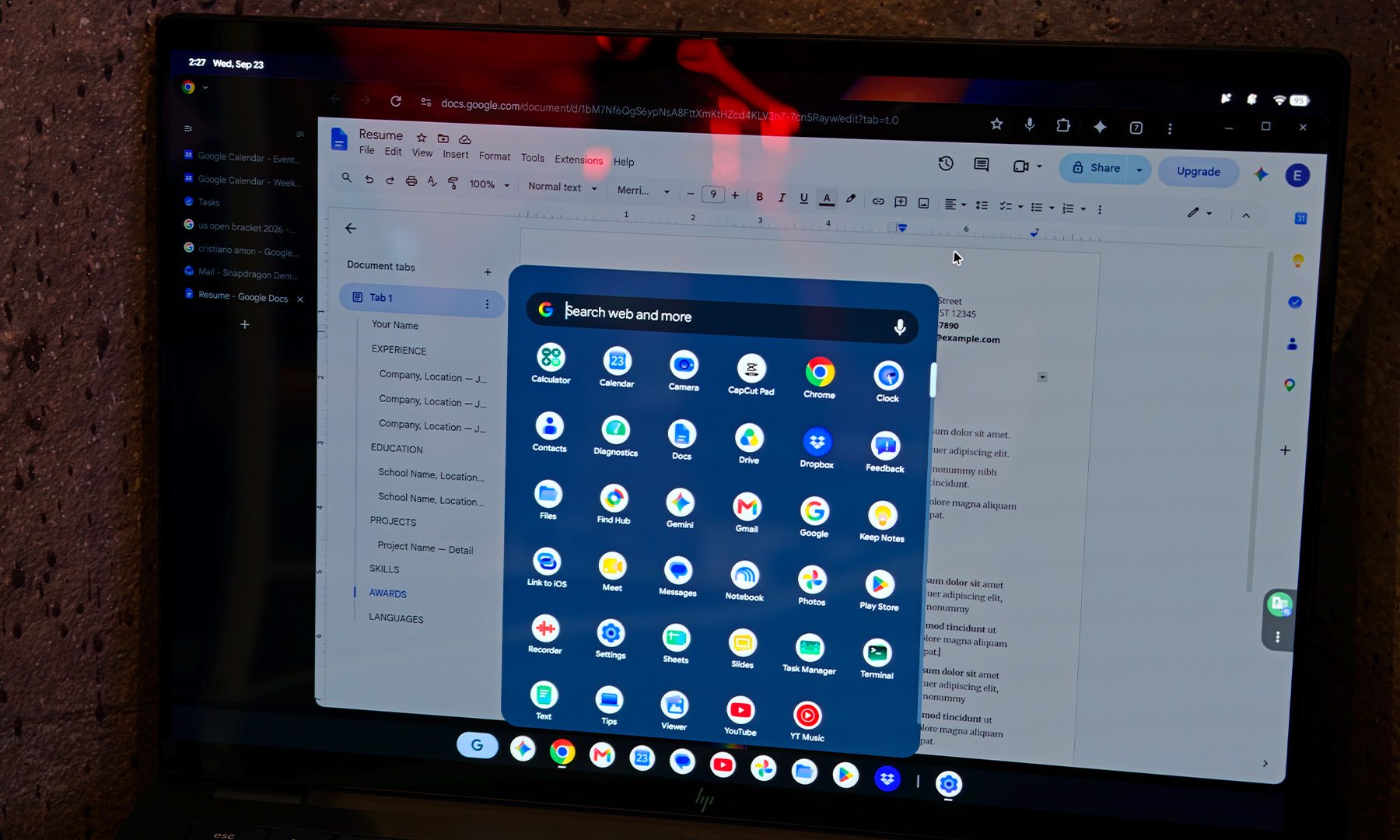
That’s my fundamental problem with ChromeOS. It has always felt to me like an operating system that is incredibly good at being a browser and surprisingly awkward when asked to behave like a traditional desktop. Googlebook improves the hardware dramatically, but it doesn’t completely escape that DNA.
At times, the whole thing still feels like a very powerful Android tablet that has been taught some desktop tricks.
And that’s a problem when I’m comparing it with a Windows laptop that already knows how to be a laptop.
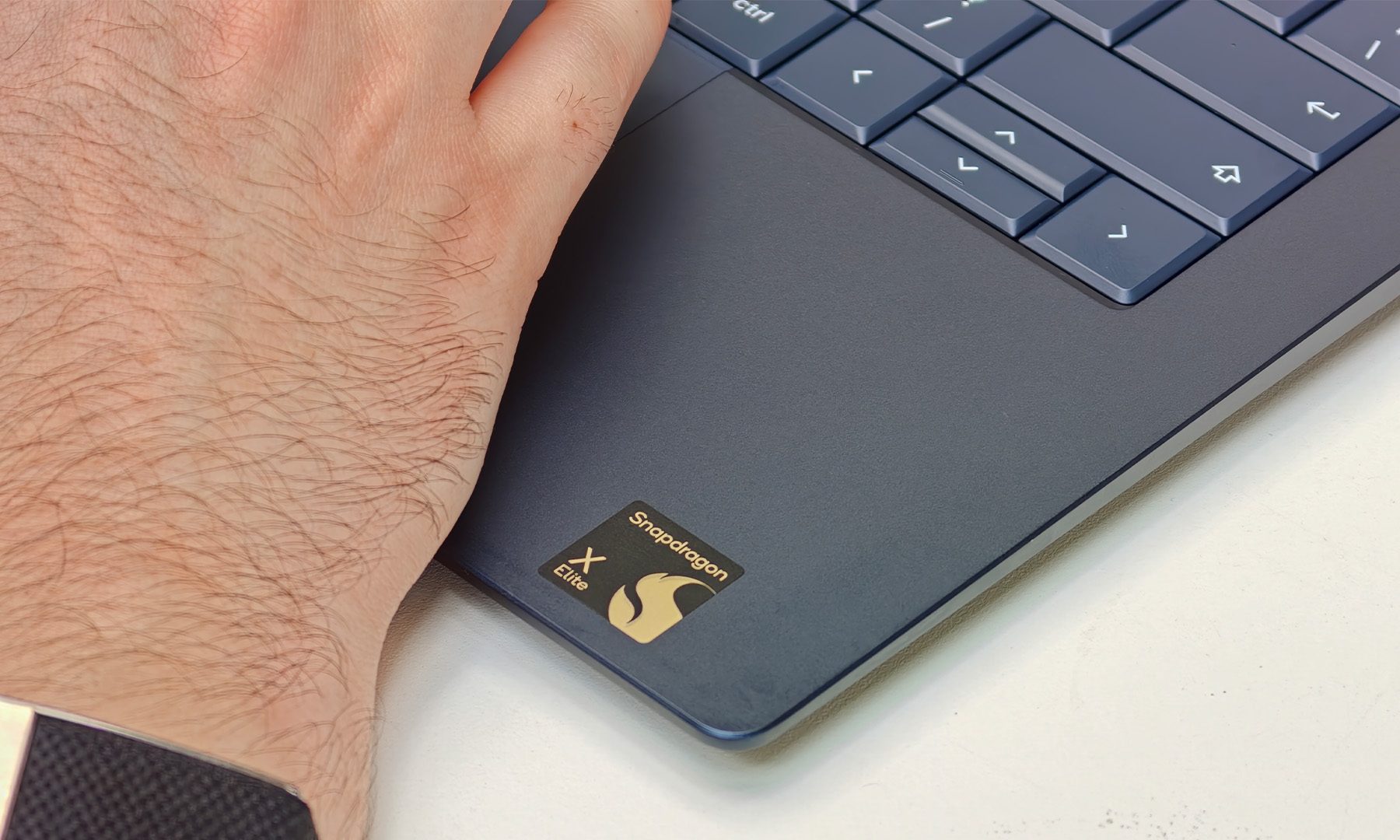
For roughly the same kind of money, there are Windows machines with Snapdragon processors, excellent displays, full desktop software, Linux support, and mature window management. Take something like the ASUS Zenbook A14. Its Qualcomm-powered performance has already proven it can deliver the goods in the real world. For roughly the same money, it offers a familiar Windows experience — without asking buyers to learn a whole new way of using a laptop.
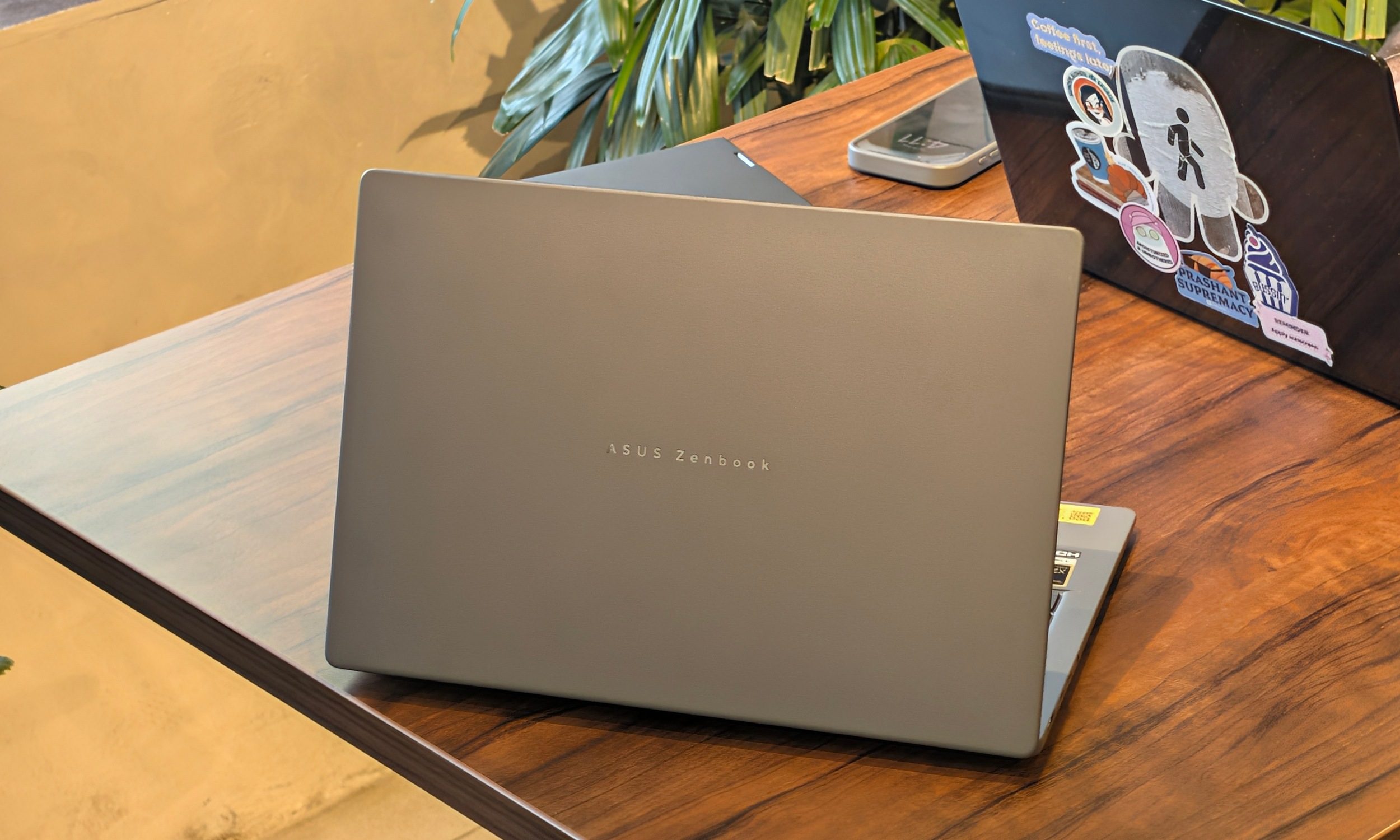
So I keep asking myself: what am I actually giving up by buying a Googlebook instead?
I understand Googlebook for developers. Mostly.
If there is one audience where Google’s argument suddenly becomes much stronger, it’s developers. If an Android developer wants to build applications inside Google’s ecosystem, test them on a laptop, and then scale that experience down to an Android phone, I can absolutely see the appeal. The combination of Android, Linux, local AI hardware, Gemini, and Antigravity creates a compelling playground.
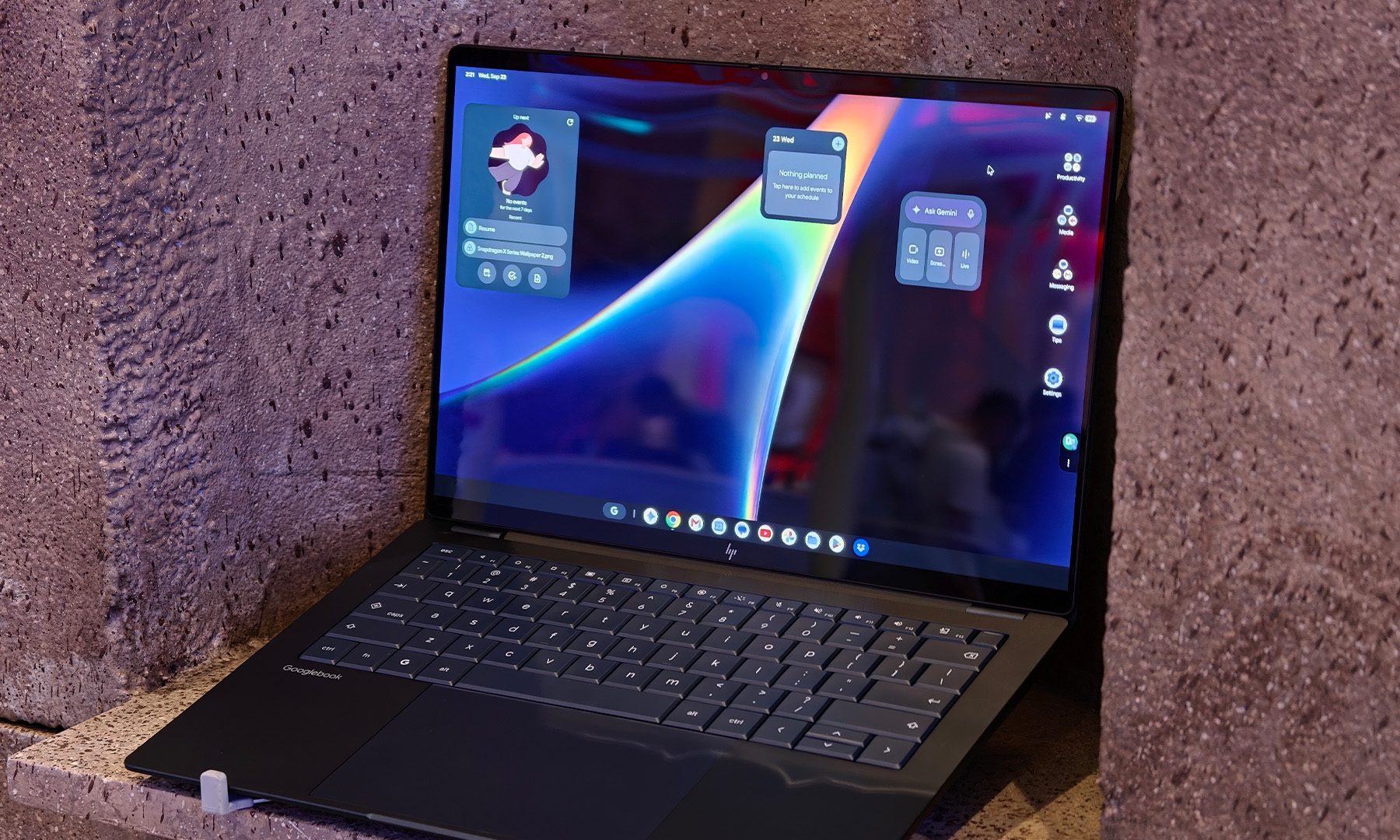
The same applies to developers experimenting with AI agents. Googlebook essentially arrives with the hardware and software Google wants developers to use, rather than asking them to assemble that environment themselves.

And this isn’t a completely new idea, either. Apple has been doing something similar with the Mac mini for years: developers often buy one not because it’s their only or even primary computer, but because it serves a very specific purpose in their workflow. I can see Googlebook eventually occupying a similar niche for Android and AI developers.
Honestly, that’s a legitimate use case. If Googlebook is a specialised developer machine wearing a consumer laptop’s clothes, I completely understand it.
But that’s also where Google’s pitch gets a little confused. The company isn’t really selling Googlebook as a niche developer workstation. It is pitching it as a premium laptop for ordinary people who work, create, browse, communicate, and generally use a computer. And for those people, I’m struggling.
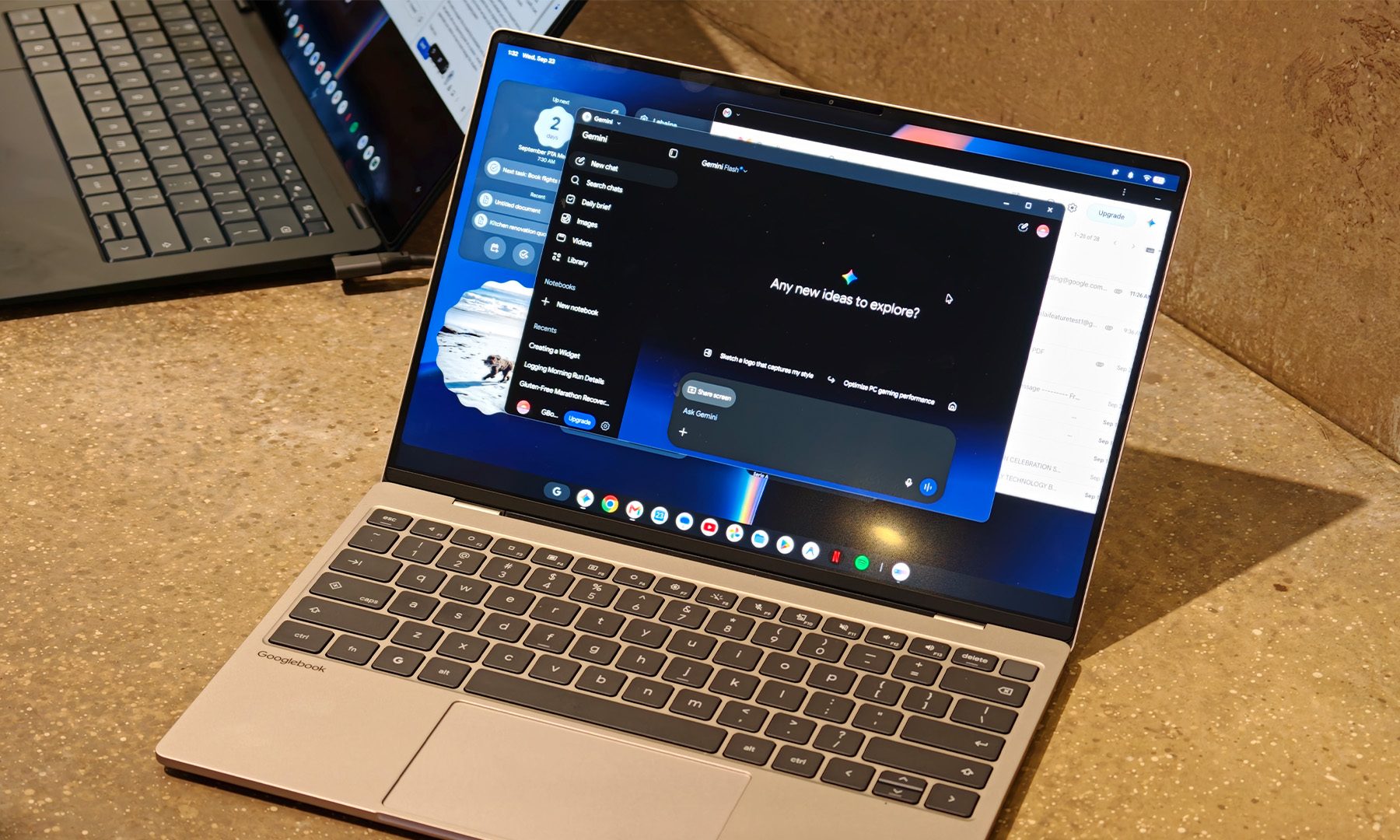
The hardware itself is good. The battery life should be good. The AI capabilities are impressive. The software bundle is generous. But none of that answers the question that has been bothering me since I first used it: why this laptop?
So, who is Googlebook actually for?
There’s another awkward question here: who exactly is Google’s ideal buyer? Googlebook’s strongest story is built around Android. If the buyer already owns an Android phone, the deeper integration becomes genuinely useful. But if that person owns an iPhone, a huge chunk of Google’s ecosystem argument disappears. That’s particularly interesting in the US, where Apple’s ecosystem is deeply entrenched. The more Googlebook’s value depends on Android, the narrower its potential audience becomes. Windows doesn’t have that problem, while the MacBook has the opposite advantage: Apple already owns both sides of that relationship.
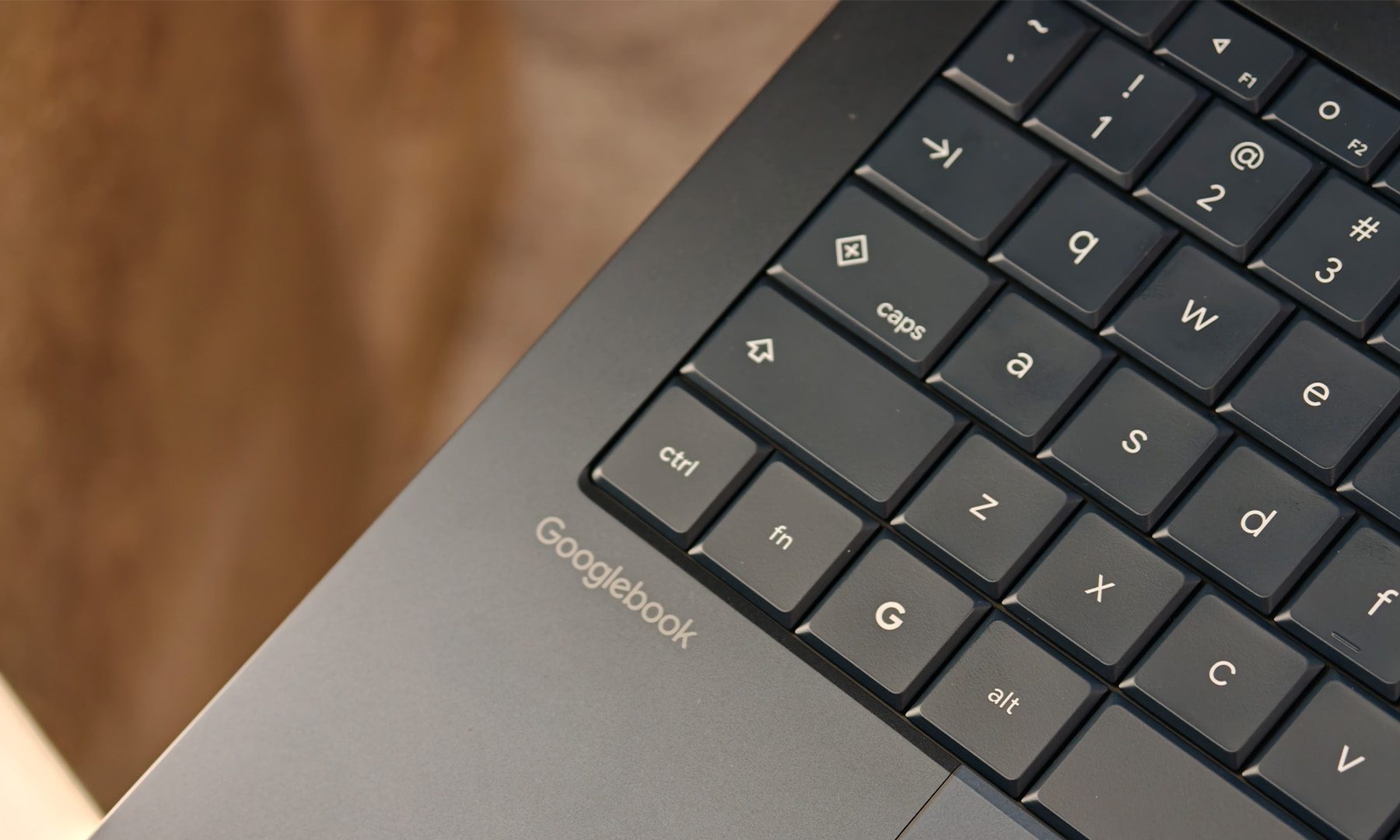
Maybe that’s the long-term bet. Google doesn’t need everyone to buy a Googlebook; it needs enough Android users, developers, and Google loyalists to buy into the idea and prove that this is what an AI-native laptop should look like. And honestly, I hope they do.
We’ve seen this happen plenty of times in tech.
A product arrives before people fully understand what they’re supposed to do with it, and then developers and users start experimenting, finding unexpected use cases, and turning it into something far more useful than its creators initially imagined. The iPhone is probably the most obvious example, but the same pattern has played out across plenty of technologies. What looks unnecessary at launch can sometimes become indispensable once people figure out what to do with it.
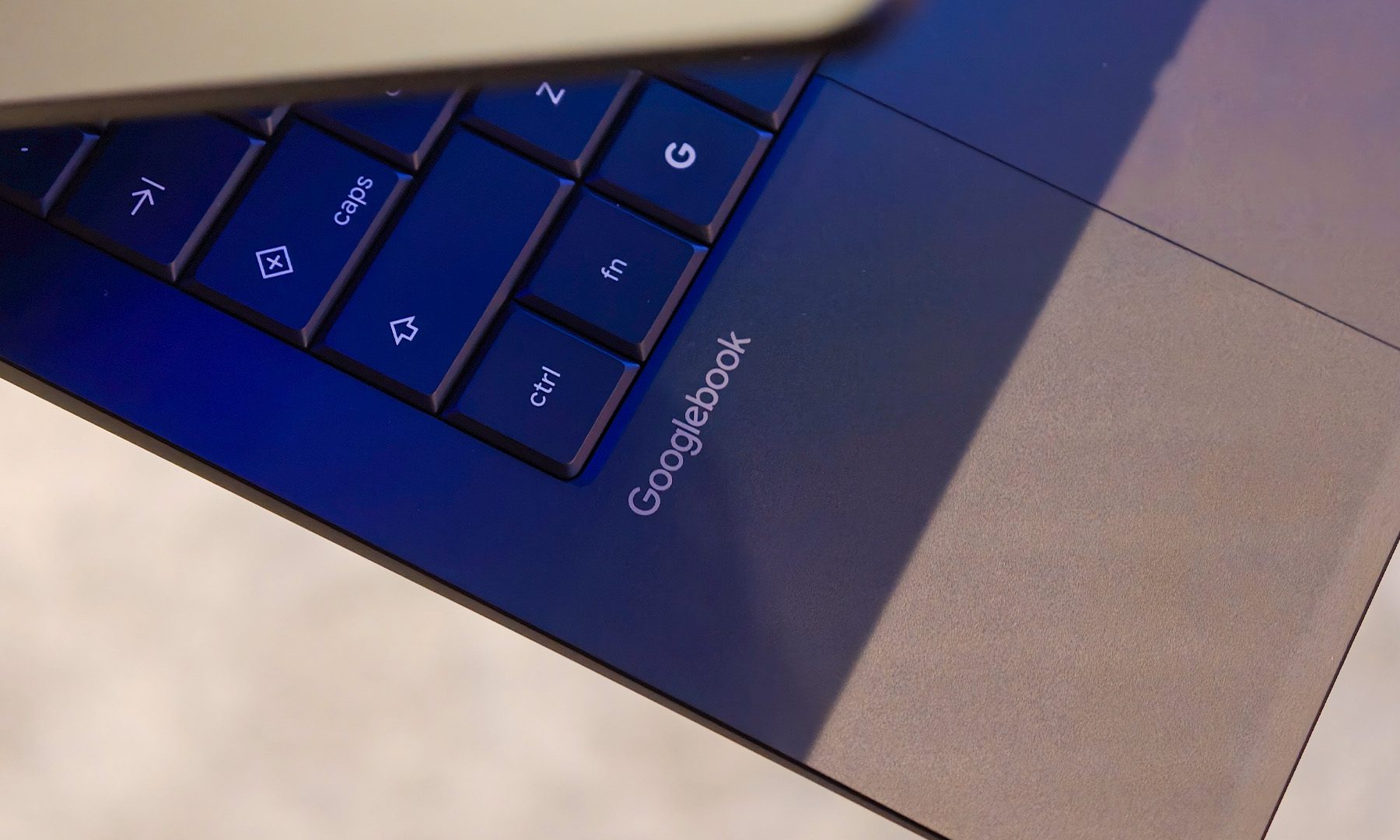
So I guess what I’m trying to say is that I don’t think Googlebook is a stupid idea. Maybe it’s an idea that arrived before its killer use case did. Maybe that use case is sitting somewhere in Google’s ecosystem right now, waiting for a developer to discover it. Maybe Gemini will evolve enough to make some of the things that feel like gimmicks today genuinely transformative. And if that happens, I’ll happily admit that Google saw the future before I did.
Maybe Google is just early
Google is betting on a future where the laptop becomes an AI agent that understands context, talks to your phone, builds things on demand, and handles the boring stuff for you. Sounds great. Except most of those pieces already exist elsewhere. AI assistants are everywhere, AI coding tools are everywhere, local AI is becoming standard, and even Android-to-Windows integration isn’t new.
Googlebook’s real trick is tying it all together — and maybe, for some people, that’s enough.
For me, though, after spending considerable time with Google’s vision of the future, I’m still left wanting something remarkably old-fashioned. I don’t hate Googlebook, and I don’t think it’s a bad product. I just can’t shake the feeling that Google has built an impressively clever answer to a question I wasn’t asking.
Googlebook doesn’t need more AI. It needs a reason to be my laptop.