It suggests that contact between the chip and the cooler is poor — for example, because the thermal paste has dried out or is unevenly distributed. If the delta is as high as 30 degrees Celsius or more, the card will already be significantly throttling its clock speed to prevent damage (thermal throttling).
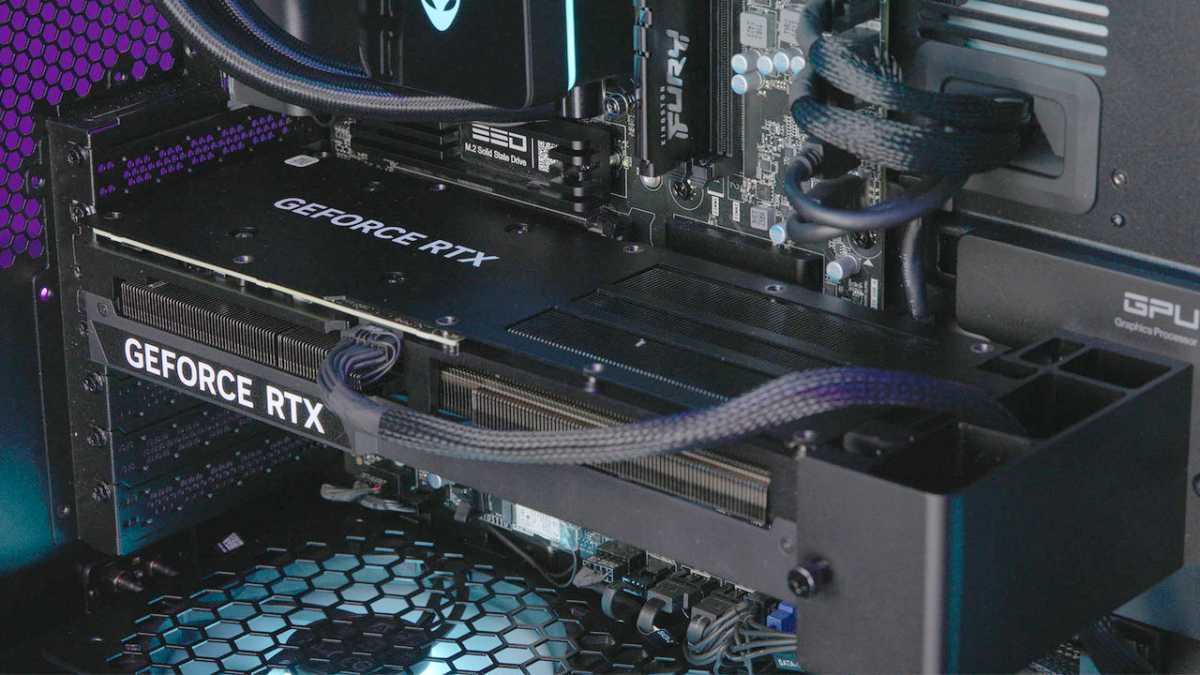
When carrying out PC maintenance, do pay special attention to your graphics card. After all, with the right GPU care, you can specifically prevent performance losses.
Dell
The first step in maintenance is cleaning: To do this, first shut down the PC, press the power button, and unplug the power cable. Open the case and blow out the cooling fins with compressed air. Important: Make sure you hold the fan blades in place with your finger or a piece of adhesive tape.
If fans spin up uncontrollably due to the compressed air, they can act like a dynamo and send electrical voltages back into the motherboard or destroy their own bearings. If simply cleaning isn’t enough, it’s time to replace the thermal paste.
Note: Repasting a GPU could void the warranty for certain models and manufacturers. Check your documentation for details.
Conventional thermal paste is an option, but some users prefer phase-change material (PCM), such as the PTM7950 thermal pad. The name derives from the material’s physical property of being solid at room temperature (in a pad form) but liquefying at temperatures of around 45 to 55 degrees Celsius.
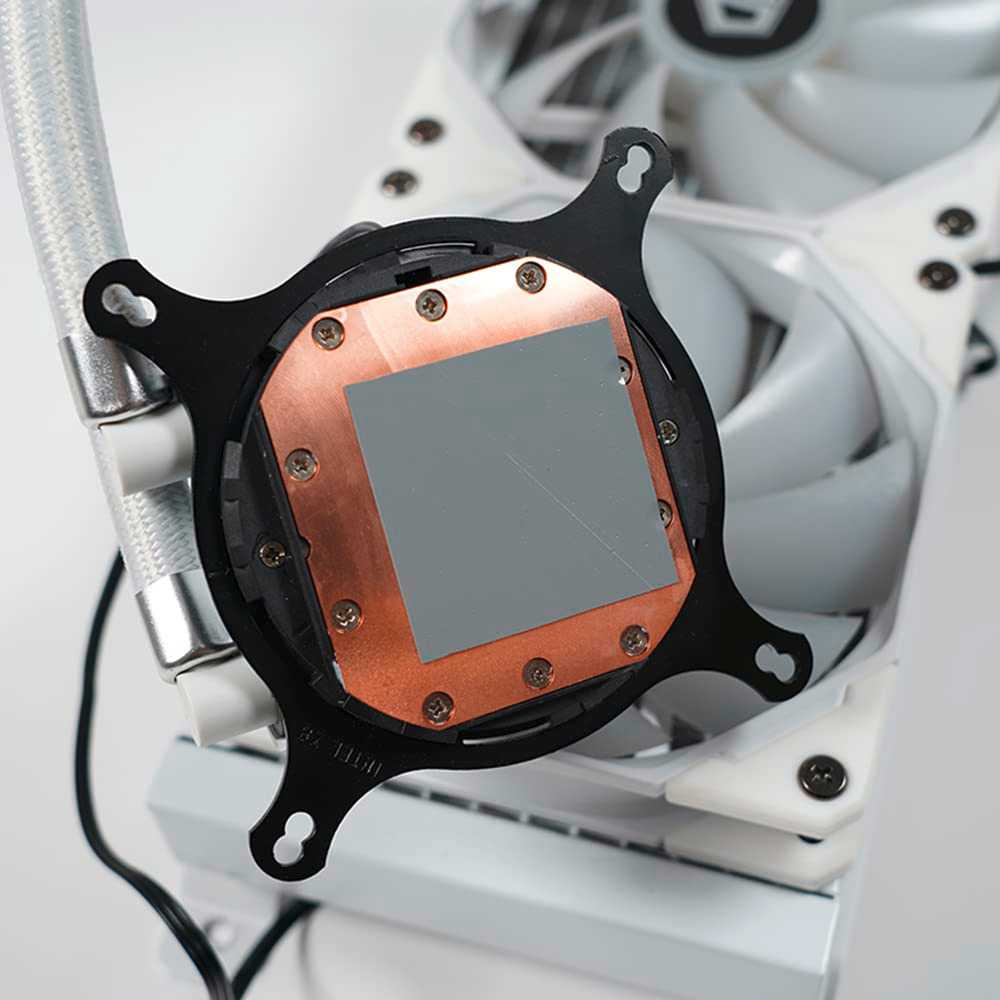
Insider tip for GPU maintenance: Phase-change material such as the PTM7950 change their physical state depending on the temperature — which is ideal.
JOYJOM
This phase change ensures that the material perfectly fills microscopic irregularities when warm, while it solidifies again when cooled. This prevents the dreaded “pump-out” effect, whereby traditional thermal pastes are gradually squeezed out of the gap due to the thermal expansion of the chip.