Free versions of Photoshop, Premiere Pro, and Lightroom are an easy sell to anyone tired of paying Adobe. Add a developer who says he vibe-coded replacements for seven of the company’s apps, and the triumphant headline practically writes itself. Adobe can presumably start clearing its desk.
Brandon Thomas’s Crafting Apps give that excitement something to work with. People can download the tools, inspect the source code, and find their way around familiar interfaces.
I briefly tried PhotoCraft for the kind of basic editing I normally do in Paint.NET, including removing a background. It worked for those tasks, but that’s a narrow test. The projects’ documentation and community feedback offer a fuller picture of what works and what still needs attention.
Seven apps and a very ambitious promise
“I’ve vibe coded replacements to 7 of Adobe’s apps in Rust,” Thomas wrote on X. In his Reddit announcement, he identified Claude Opus 5.5 as the model he used. The vibe-coding approach uses natural-language instructions to generate code.
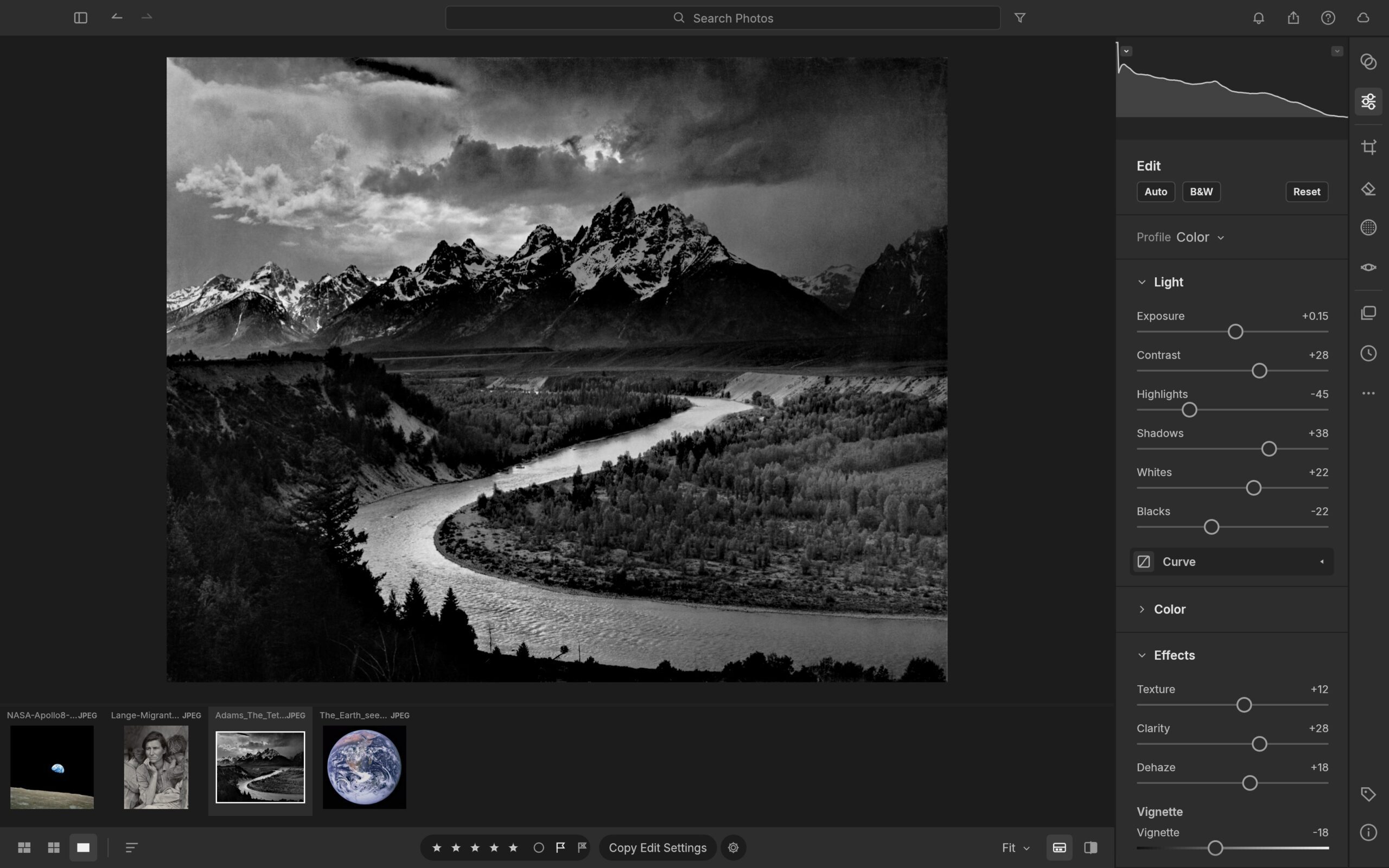
PhotoCraft tackles Photoshop, FilmCraft targets Premiere Pro, and LightCraft takes on Lightroom. The lineup also covers Illustrator, Acrobat Pro, After Effects, and InDesign.
The appeal is obvious to anyone who has wanted out of an Adobe subscription. There are no cancellation fees, and the code can be kept, modified, and built independently. Thomas went much further in a Reddit comment, promising, “We’re going to reach 100% parity within a month.” That would mean matching everything the Adobe apps can do.
On Hacker News, though, he says it’s “not anywhere close to ready … These are still super early alpha.”
Full parity with seven Adobe applications is a considerably bigger promise than releasing seven usable starting points.
Thomas’s GitHub profile identifies him as the founder of ArtCraft, Storyteller.ai, and FakeYou.
“We have a team building popular software for filmmakers, so supporting this is fully funded,” he wrote in the Reddit announcement.
The developers’ own assessments show how much work that team is taking on. FilmCraft’s documentation estimates roughly 87% feature-checklist coverage, but only 50–60% readiness for real projects.
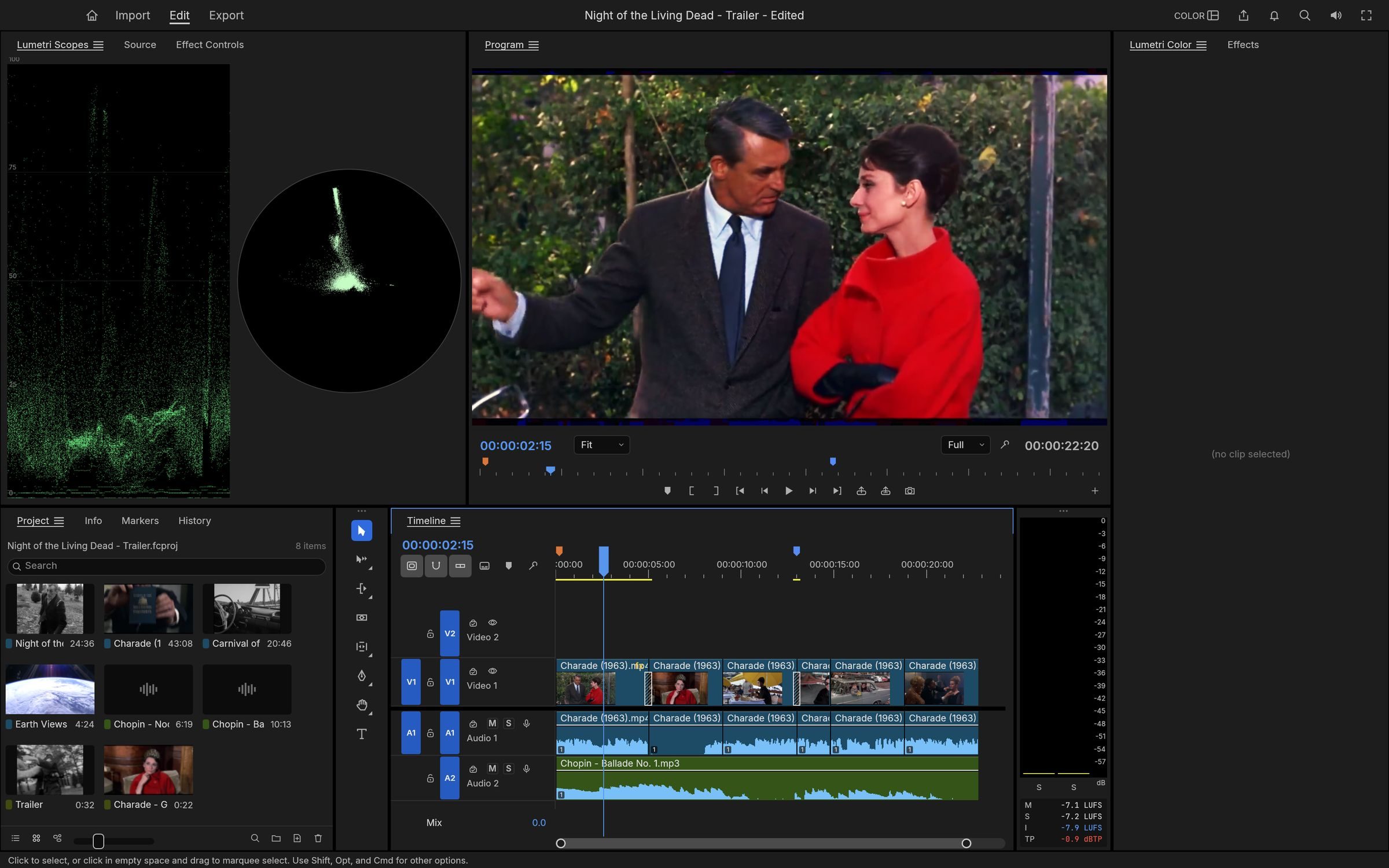
The less glamorous work of replacing Photoshop
PhotoCraft’s README says it isn’t yet a Photoshop replacement for daily professional work. It also explains that connecting menu items to commands measures wiring rather than behavior. Finding the expected option in a menu is a start, but the result still has to hold up.
Projects such as PhotoGIMP already address the familiarity problem, adapting GIMP’s layout and shortcuts for Photoshop users.
PhotoCraft’s October 7 release notes show how much work remains, listing incomplete tools, performance gaps, and settings that do nothing. Some fixes address basics such as protecting existing files when a save is interrupted, with a safer-save change merged on October 5.
That public record gives users a way to follow improvements. It takes longer to judge reliability, security, and ease of maintenance, all broader concerns around vibe-coded software that my brief use couldn’t assess.
For someone experimenting with an image or a personal project, an early build may already offer enough. Using it for a deadline introduces different expectations. The free download makes trying it an easier decision, but an afternoon spent fighting a broken workflow still comes out of somebody’s day.
There are already established options for people ready to switch. GIMP and Affinity offer alternatives for image editing, while DaVinci Resolve covers video editing.
More people get a say in the software
ArtCraft’s paid AI image and video product helps fund the free suite, Thomas says. Its subscriptions cover generation credits, and using the Adobe-style apps doesn’t require paying for them. Canva’s decision to make Affinity free, with premium AI features, offers a precedent for that arrangement. The shared website also means attention for the free apps brings exposure to ArtCraft’s paid business.
Thomas says he wanted the launch to bring people into development. “I needed to seed a community that could help contribute bug reports and PRs,” he wrote on Hacker News.
People are already contributing. As of October 9, GitHub’s contributor data listed 230 distinct accounts beyond Thomas across the seven repositories, with some contributing to multiple projects. PhotoCraft’s October 7 release credited 31 community contributors and documented fixes to file handling, editing, and performance.
That work gives some substance to his broader ambition. “We can literally deenshittify the world without breaking a sweat,” Thomas said.
AI could put building alternatives within reach of more people, letting them shape software around what they need and leave out things they resent, including mandatory subscriptions. Thomas’s apps still have plenty to prove. But the possibility of more people having the means to build their own way out is worth some optimism.
Thomas’s apps still have a lot to prove, especially if the goal is to replace software people rely on for paid work. But they don’t need to beat Adobe overnight to be interesting. If they become good enough that people can seriously consider leaving, that alone changes the conversation.