Living underwater was surprisingly peaceful. It was in many ways exactly what I imagine living on Mars would be like one day. There were no humans around us, except for my three SEA STAR crewmembers and me. Apart from the human noises we made, we couldn’t hear anything other than the life support systems keeping us alive submerged 22 feet (7 meters) below the surface.
We were living in these extreme conditions to study the challenges astronauts may face on long-duration space missions. Since performing research in space is still rare and expensive, there are numerous facilities around the world that focus on recreating space-like conditions on Earth. One of those stations is the Jules’ Undersea Lab, where the SEA STAR simulated space mission took place.
This underwater habitat was called “La Chalupa” when it was built in the 1970s. Its purpose was to allow divers to live and perform research as aquanauts — people who spend more than 24 hours underwater in a so-called state of saturation. Today, the Jules’ Undersea Lab is located near Key Largo, in Florida. However, it was originally designed to be mobile — inside a barge 20 feet wide and 60 feet long (6 to 18 meters).
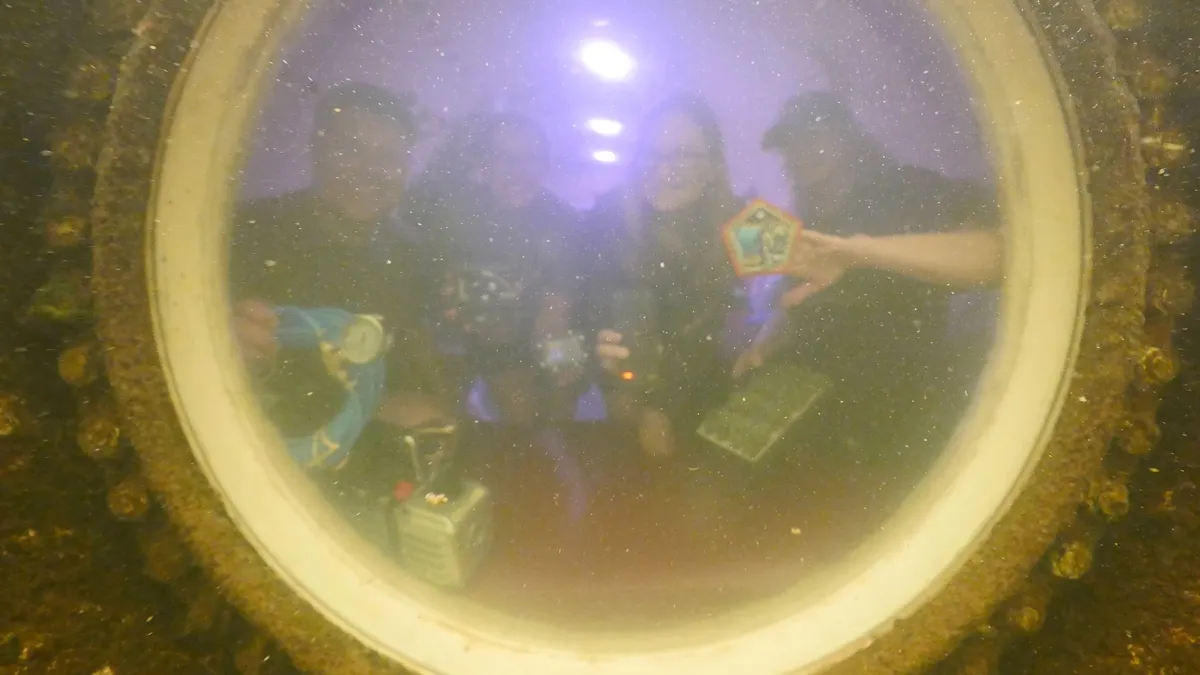
The aquanauts could choose an ideal site for their research expeditions underwater and then have the facility be submerged. They did that by flooding most of its inside space, turning it from a boat to a submarine. Once their work was done, they could remove the water and move “La Chalupa” to another location.
Unfortunately, the funding to keep this facility running ran out over time, and it was moved one last time to its current home. Since then, the now Jules’ Undersea Lab served as the research station for tens of different aquanaut missions, including a NASA 30-day project and two missions that set world records for the longest time living underwater (73 and 100 days).
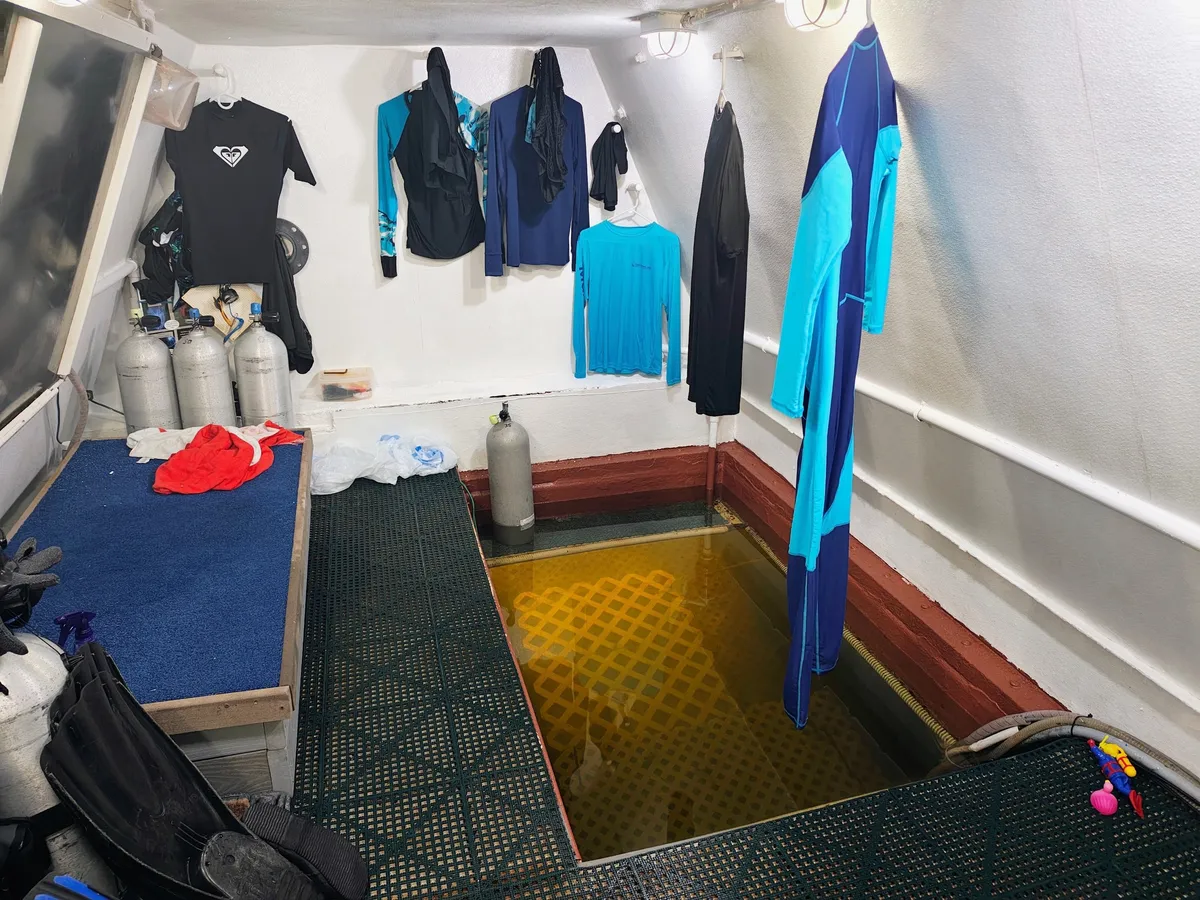
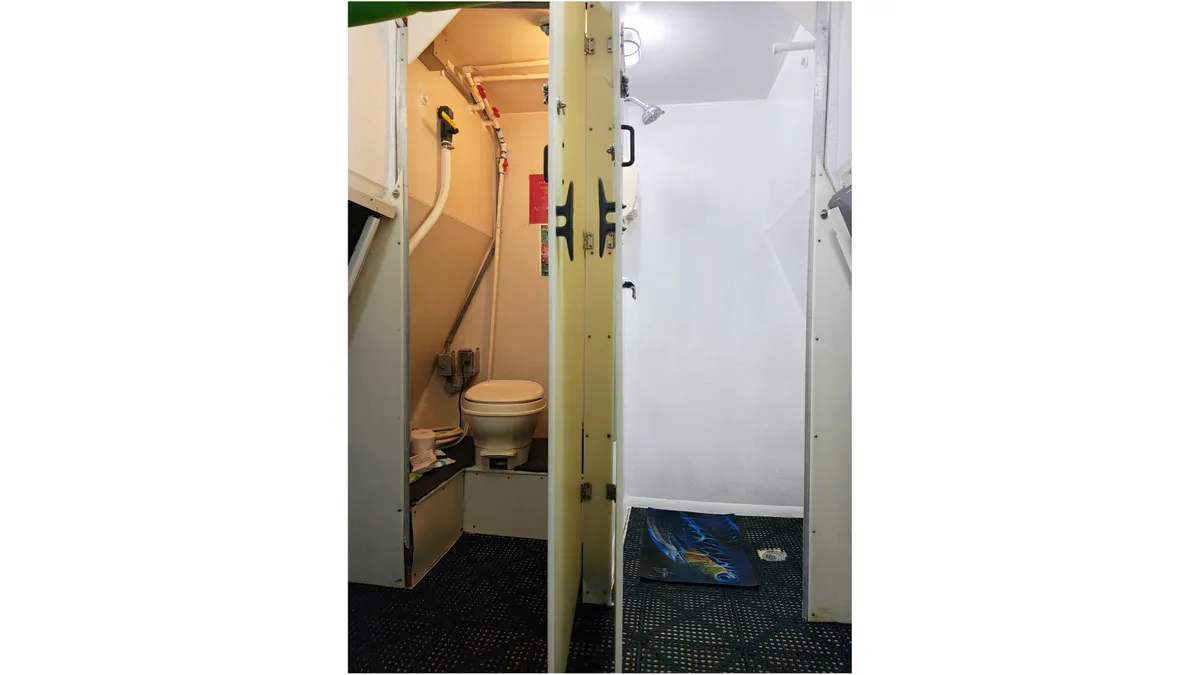
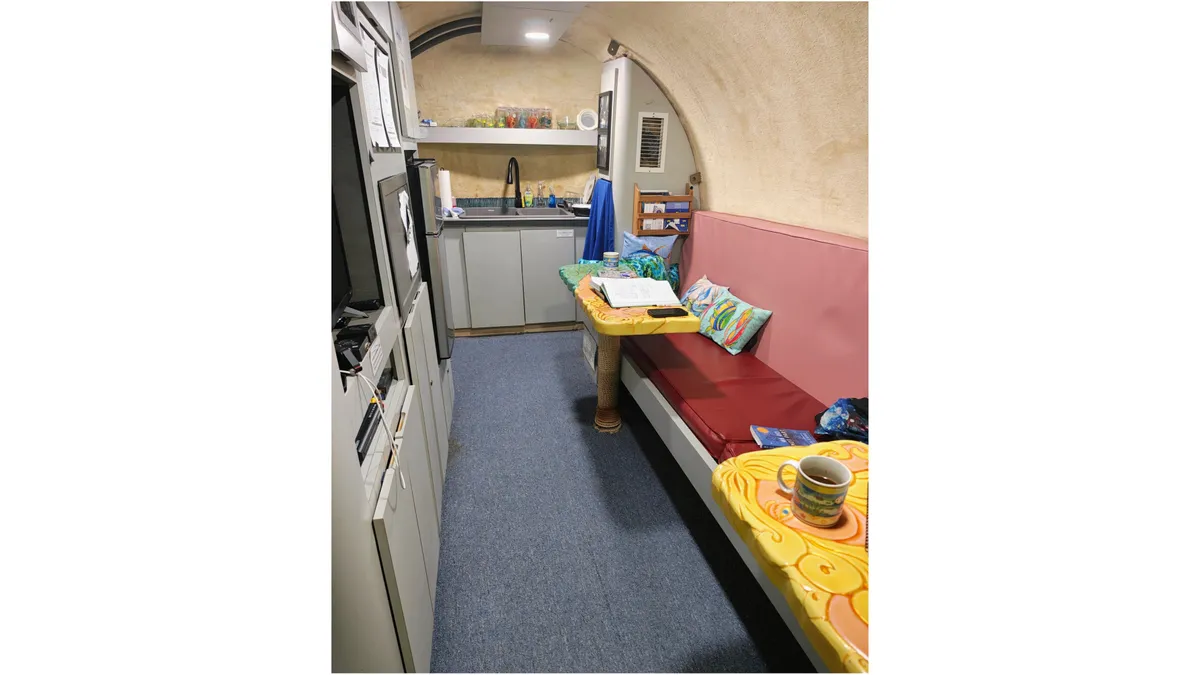
On the inside, the underwater station is made up of a galley with a kitchen and dining/work area. Next to it there is a basic toilet, shower and the “moon pool,” which is the equivalent of a door to get inside the habitat. The final area is the bedroom with two bunk beds, which can be split in the middle to create two bedrooms and provide additional privacy. Three windows throughout the habitat provide its dwellers with a view of a mostly green outside world.
To start our SEA STAR simulated space mission, we waved goodbye to our Mission Control team on “Earth” and dove down to enter the Jules’ Undersea Lab through the “moon pool” at 25 feet (7.6 m) underwater. After that, we did not return to the surface again until five days later. We lived and worked the whole time underwater, performing our space-related research and “spacewalks” (a.k.a. exploration dives in scuba gear).
We were able to survive all this time in such a challenging environment thanks to a number of important life support systems keeping us alive. The communications and umbilical support cables (providing air, fresh water and power) for the habitat were originally supplied by NASA. All the piping and fittings are inside the submerged barge, protected from the air-sea interface and from encrusting marine creatures. There was also a direct line to Mission Control “on Earth” to help us in case of any emergencies.
Our schedule kept us busy all day every day to simulate what astronauts experience on the International Space Station (ISS). All four of us on the SEA STAR crew had research projects that we were responsible for, as well as daily tasks. These tasks involved cooking, medical checkups, cognitive tests, maintenance work and taking care of unexpected issues. As the Commander of the crew, I also made sure everyone was on top of their work and addressed any problems that came up.
We performed “spacewalks” in between all those other activities. They were pretty physically exhausting, which meant that we did not do additional exercise during the mission. I have been the Commander of 40 simulated space missions, and normally we exercise for at least an hour or two during each mission, just like astronauts on the ISS. Nonetheless, the pressure in the Jules’ Undersea Lab was approximately twice as high as it was on the surface at sea level. This caused the crew to experience additional stress to their bodies, which is why no further exercise was required.
Even though our hands were full with activities during the mission, none of us felt particularly stressed out. Whether it was because of the effects of the pressurized conditions or thanks to good planning, we actually enjoyed our time living underwater. One of the nice surprises of the mission was that the food wasn’t too bad, either. We were allowed to use a small crock pot, which meant we could eat soups, stews and overnight oats. Small joys like that boosted our spirits immensely.
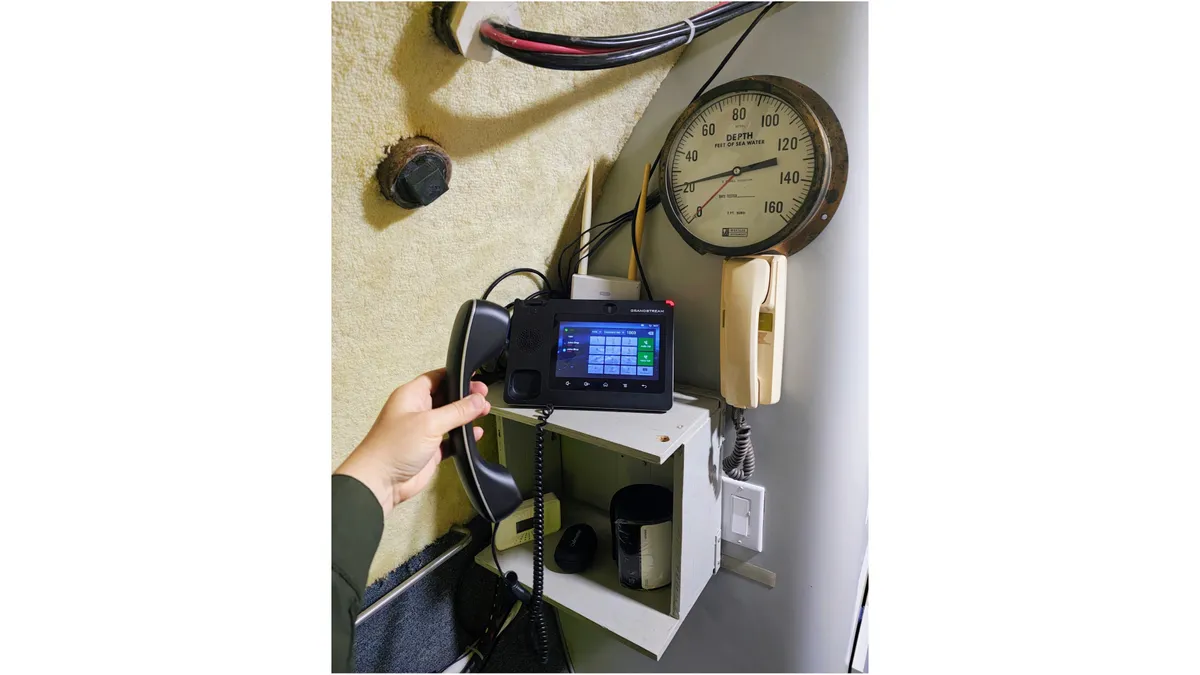
Having said all that, the Jules’ Undersea Lab did also make the isolation from our lives on Earth feel very realistic. While we didn’t have a view of Earth like the astronauts on the ISS, our very green view of a completely different world outside our windows gave us an impression of living on another planet. It was the alien nature of our lifestyle 22 feet underwater and all the challenges that came with it that made this mission feel Mars-like. Our daily schedule grounded us, the extreme environment around us kept us on our toes and our scientific exploration helped us reach new frontiers.
You can follow Dr. Michaela Musilova at her website and on social media: @astro_michaela (Instagram, TikTok and Threads), @Dr. Michaela Musilova (Facebook) and @astro-michaela.bsky.social (Bluesky).