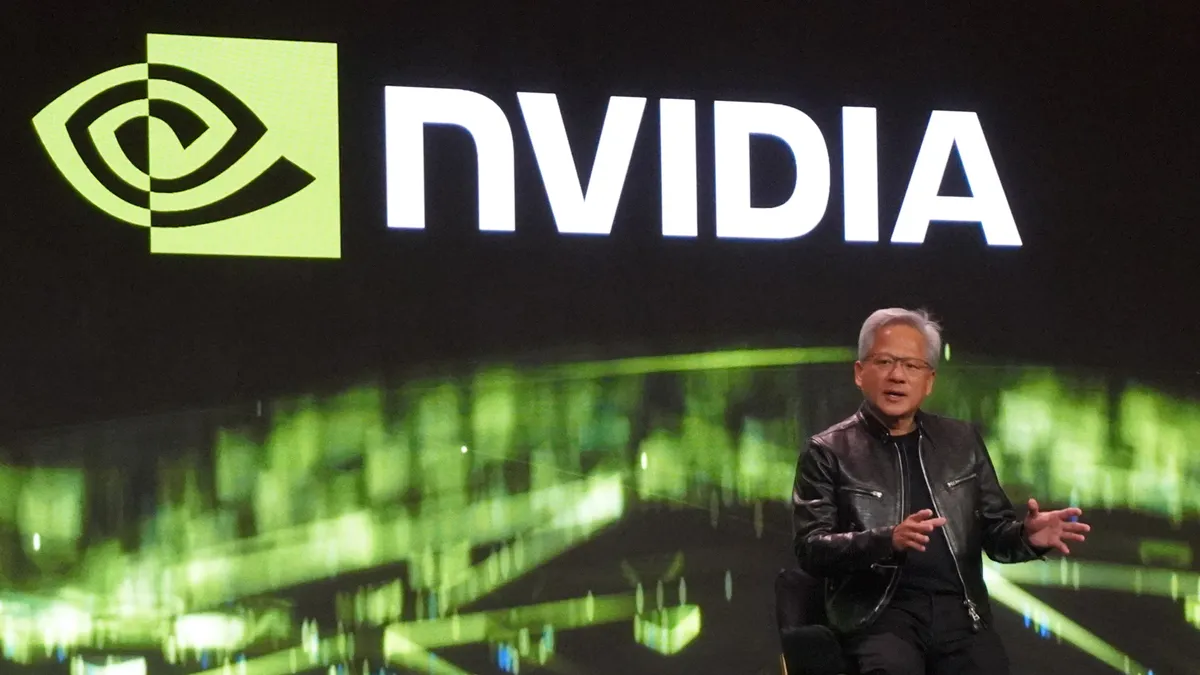
Effective immediately, Nvidia’s Board of Directors just voted unanimously to reinstate Jensen Huang as President, CEO and board director — just 11 days after he resigned amid an explosive espionage and extramarital affair scandal, and a mere six days after the company insisted it had no intention of bringing him back.
If you blinked over the last two weeks, you might have missed the entire post-Jensen Huang era of Nvidia. It is the kind of corporate whiplash that makes Sam Altman’s infamous five-day OpenAI ousting look like PTO. To make sense of how the world’s most consequential chipmaker pulled off a full-speed reverse, you have to look at the sheer chaos of the last 25 days.
The 25-day drama: how we got here
- May 2026: U.S. Secretary of State reportedly drafts a memo warning that Huang had grown close to Alice Huang (no relation), a former executive at Singaporean firm Megaspeed suspected of being a Chinese spy tied to alleged chip diversions.
- October 29, 2026: The New York Times breaks the story that Huang may have been targeted by a Chinese intelligence effort. Nvidia initially brushes the relationship off as “nothing out of the ordinary.”
- November 8-9, 2026: Huang admits to an extramarital affair in a letter to staff and apologizes to his family. President Trump confirms an FBI probe, says Huang told him he “had no idea that she was a spy,” and adds: “I really believe him.”
- November 10-11, 2026: A California retail investor sues Nvidia for allegedly misleading shareholders. Then the Times drops a second bombshell alleging an affair with Nvidia’s VP of healthcare, and the Wall Street Journal reports the board is preparing to oust him.
- November 12, 2026: Huang resigns. CFO Colette Kress steps in as interim CEO, and Huang agrees to testify before Congress.
- November 15-16, 2026: Silicon Valley stages a revolt. Elon Musk and over 158,000 signatories — including more than 7,500 self-identified Nvidia employees — sign an open letter demanding Huang’s return. Trump says he wouldn’t mind a comeback.
- November 17, 2026: Nvidia posts Q3 FY27 earnings showing it doubled revenue — while Harvey Jones flatly tells the world the board “does not intend to reinstate Jensen as CEO.”
- November 23, 2026: The board reverses course unanimously, reinstating Huang immediately after receiving input from senior U.S. government officials. Nvidia’s stock rockets 30%.
Why did the board suddenly flip?
So what changed between last Tuesday’s firm “no” and this morning’s unanimous “welcome back”?
Latest Videos FromTom’s Guide
According to Nvidia’s official announcement, two things broke the deadlock: a series of sitdowns where the board became “satisfied with respect to Mr. Huang’s candor and ability to lead,” and — crucially — a green light from Washington.
The board explicitly noted that it “received input from senior levels of the United States government, and based on that input, the Board is confident that Mr Huang’s reinstatement poses no national security risk.”
Combine that quiet federal clearance with an internal employee revolt, vocal backing from the White House and a brutal month on the stock ticker, and the board’s math became pretty simple.

“The Board believes Jensen is the right person to lead NVIDIA, and that his reinstatement is in the best interests of our stockholders, employees, partners and customers,” Jones said in Monday’s statement, thanking Colette Kress for holding the fort as interim CEO before returning to her full-time CFO duties.
Huang, for his part, struck a notably humbler tone than the usual keynote bravado I’ve seen in person a few times.
“I take this responsibility with the greatest humility and renewed commitment… Above all, I am grateful for the love and support of my family. I can’t wait to get back to work.” — Jensen Huang, Nvidia CEO
He’s back, but the guardrails are staying on

Before you get too excited with “WE ARE SO BACK” responses and “stonks” GIFs, read the fine print at the bottom of Nvidia’s press release. Huang may have his title back, but he’s walking back into a very different corporate structure — and the legal storm hasn’t magically evaporated:
- He doesn’t get the chair back: Harvey C. Jones is staying on as independent Chair of the Board, keeping a permanent check on Huang’s authority.
- The spy probe is still live: The independent directors’ committee investigating the foreign intelligence targeting effort is not being shut down — it will proceed to conclusion with independent counsel, and Huang has committed to cooperating.
- New national security babysitters: The newly minted National Security and Export Control Committee (made up strictly of independent directors) is hiring outside national security counsel and advisors to police trade compliance.
- A new Chief Compliance Officer: Nvidia is actively recruiting for a brand-new CCO that will report to the board’s Nominating and Corporate Governance Committee.
- Washington isn’t done: Nvidia reiterated it will continue cooperating with ongoing government inquiries, with the DOJ and Commerce Department export probes, and Huang’s Congressional questioning still hanging over the company.
What this means for you
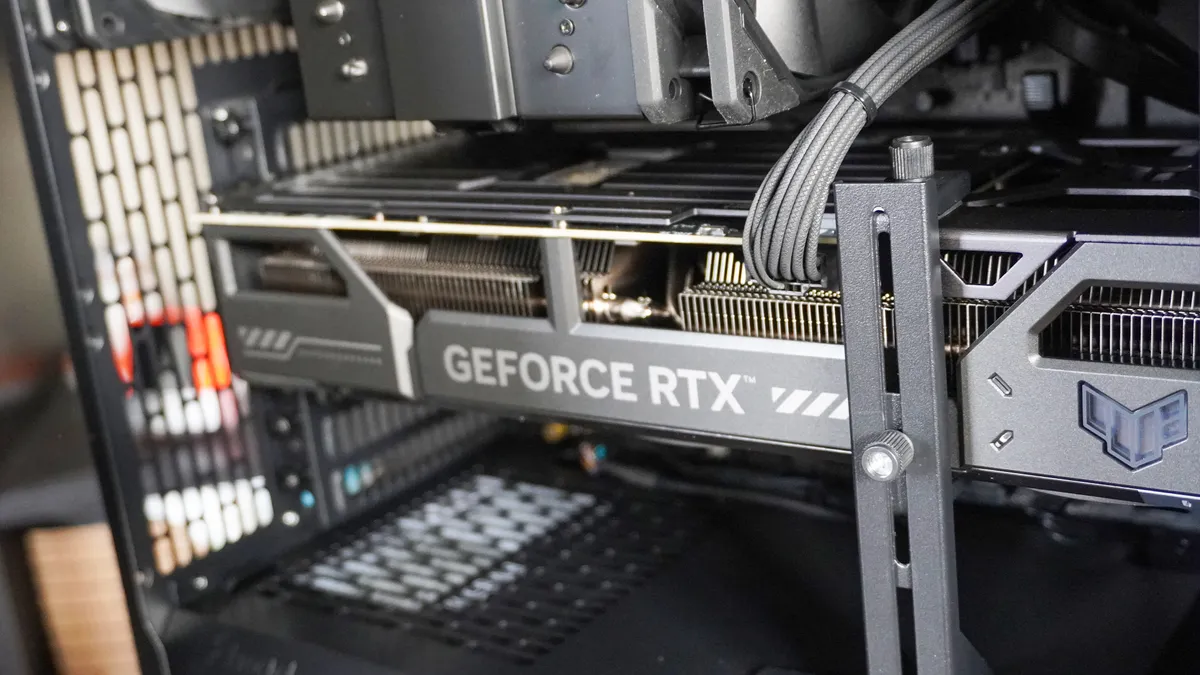
If you were hoping that two weeks of boardroom chaos at Nvidia would pop the AI bubble and magically bring back $90 DDR5 kits (like me), I have some bad news: Jensen Huang’s comeback just put the AI infrastructure train right back at full throttle.
With Wall Street cheering his return and Washington clearing the runway, hyperscalers aren’t tapping the brakes on data center spending anytime soon.
That means Samsung, SK Hynix and Micron have zero reason to pull wafers off high-margin data center memory and send them back to everyday PC builders — especially with Trendforce expecting DRAM prices to climb another 10-15% this quarter and stay tight well into 2027.
Does that mean the dream of RAMageddon dying is gone? Not quite — it just changes your game plan.
Don’t wait until 2027 to buy a laptop or RAM-heavy rig
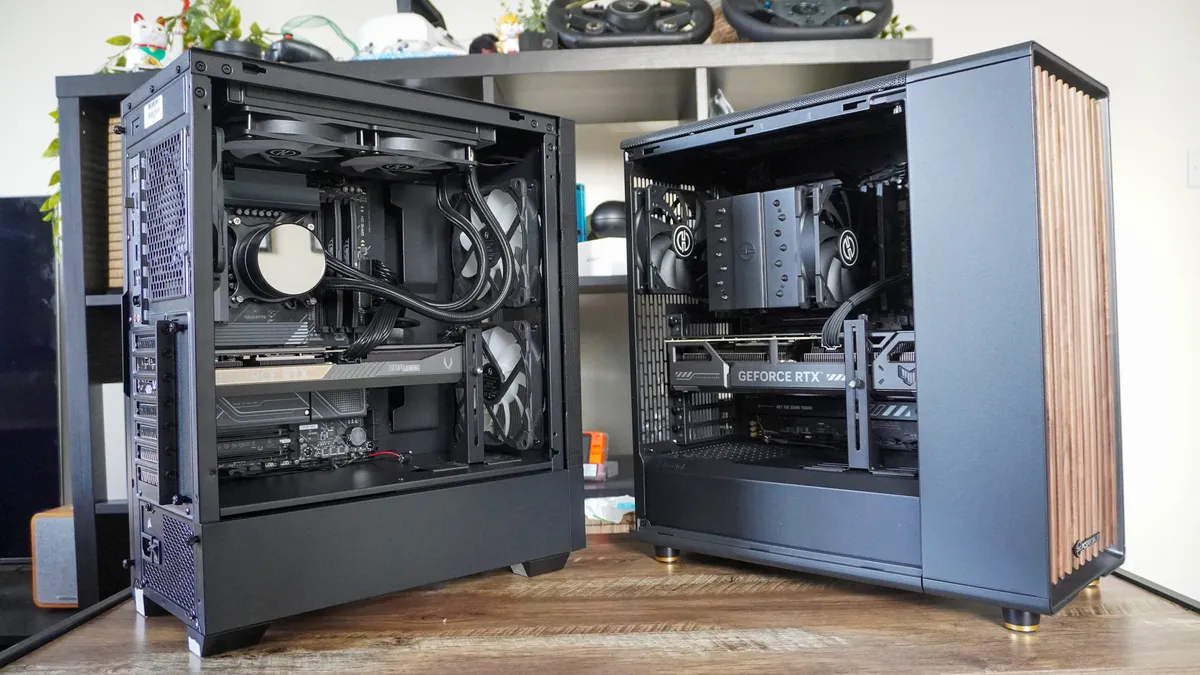
If you see a legitimate Black Friday deal that actually undercuts pre-crisis pricing, treat it like an escape hatch. Waiting for “cheaper RAM next spring” is a gamble that’s looking worse by the hour.
Hold off on panic-buying SSDs

There is one genuine silver lining. While DRAM stays squeezed, Trendforce’s latest forecast shows NAND flash prices finally turning the corner and starting to dip as early as Q1 2027 — so unless you spot a genuinely fair Black Friday deal, don’t let retailers gouge you on storage right now.
Watch the courtroom, not the stock ticker
Nvidia’s rebound might keep AI demand humming, but it doesn’t bail the memory giants out of their California antitrust lawsuit or stop the mainstream backlash over inflated PC prices.
Jensen getting his desk back is great news for Nvidia shareholders. For the rest of us just trying to buy a computer without paying an absurd memory tax, the message is simple: grab the real Black Friday bargains while they exist, ignore the fake red discount stickers, and buckle in — RAMageddon isn’t packing its bags just yet.

Follow Tom’s Guide on Google News and add us as a preferred source to get our up-to-date news, analysis, and reviews in your feeds.