It’s been a rough summer on our yards. Extended heatwaves and dry spells have left many gardens looking parched and depleted, and I’ve missed the abundance of color that I‘ve come to expect during peak season.
If the summer scorcher left you feeling depondent, don’t despair; fall offers a fresh start. September is the ideal time to rest, enrich your soil and get new plants in the ground. And with cooler temperatures on the horizon, your yard will soon be full of golden autumnal color.
Here are the top 5 plants I recommend adding to your yard this September for a rich kaleidoscope of fall hues.
Latest Videos FromTom’s Guide
1. Rudbeckia

Rudbeckias — commonly known as black-eyed Susans — bring an instant splash of bright color to a fall yard. Their golden petals and bold centers radiate a sunny disposition, making them a standout choice for fall color. Beyond their cheerful appearance, rudbeckias are low-maintenance plants and magnets for pollinators, too.
How to plant
Position in full sun, with at least 6 hours of direct sunlight a day, into well-draining soil. To extend the flowering period, deadhead the plants by pinching off the blooms at the base of the stem, or cut them back after they flower to encourage a second surge.
Rudbeckias are suitable for USDA hardiness zones 3-11.
2. Sedum
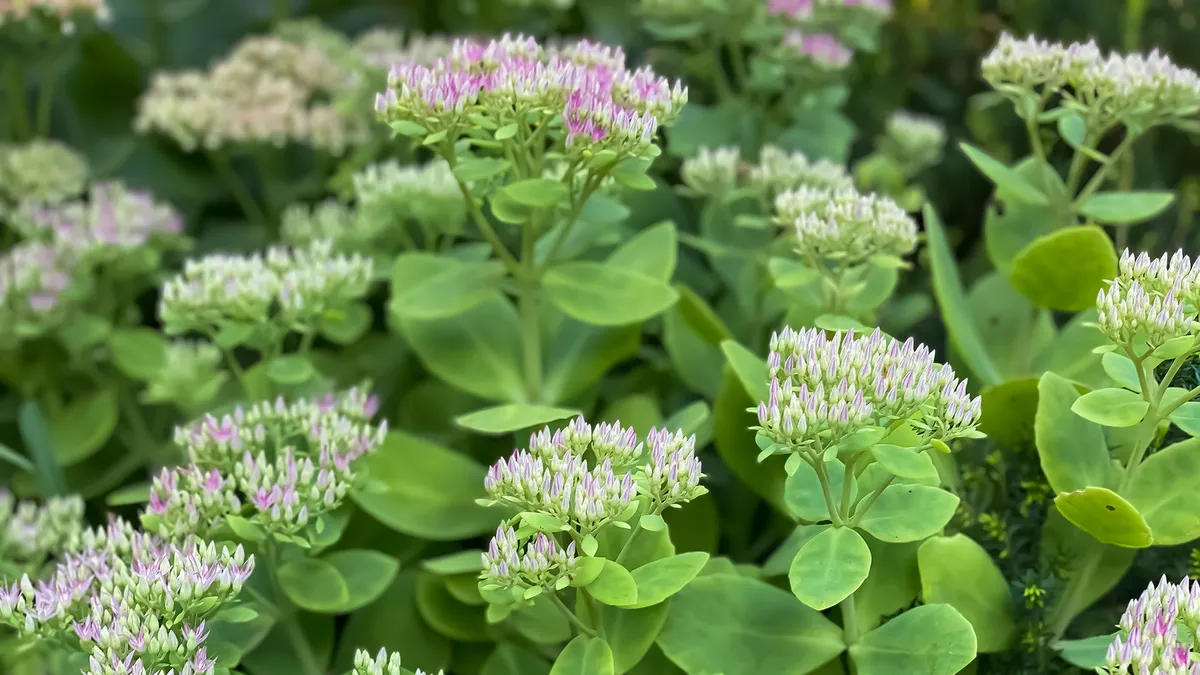
Sedums are a winner in the late summer and early fall, and if your garden has experienced a tough summer season of hot, dry weather, they are a firm survivor. The flowers are loved by bees and butterflies, and the beautiful seed heads remain stunning into winter.
How to plant
Choose a sunny spot that receives at least six hours of full sun a day. If your soil is poor at draining, loosen the soil before planting and add sand, grit or perlite to encourage better drainage. Sedums shouldn’t need additional water, as their fleshy leaves store water, making them perfect for dry regions.
Sedums do well in USDA hardiness zones 3-9.
3. Heuchera

Heucheras are grown for their foliage, rather than their flowers, and they make a stunning statement at the front of a border. I love the bright hues of lime green heuchera, which won’t fail to add a vibrant pop of color to your fall garden, but if you prefer more rustic tones, you can opt for burgundy or russet foliage.
How to plant
Place the plant in rich, well-drained soil in a spot that receives 4-6 hours of direct sunlight per day. However, if you have heavy clay soil, amend it to improve drainage before planting. If planting multiples, place 1-2 feet apart.
Heucheras perform well in USDA hardiness zones 4 through 9, but do check the variety.
4. Japanese anemone

Japanese anemones have elegant flowers that will add a light touch and graceful movement to any garden. They will brighten any shady corner with their stunning blooms and create a striking visual contrast when planted with grasses. Even better, for low-maintenance gardeners, their sturdy stems rarely need staking, and they are generally free of pests and diseases. Plus, their late-season blooms provide a feast for pollinators.
How to plant
Plant in full sun to partial shade, and protect the foliage and blooms from afternoon sun in hot climates. Japanese anemones thrive in moist, fertile, well-draining soil, but don’t like soils that remain cold and wet during winter. The roots will benefit from a layer of mulch in late fall to protect them from frost.
Japanese anemones do well in USDA hardiness zones 4 through 9, but check your variety before planting.
5. Ornamental grasses

Ornamental grasses introduce texture and movement, catching the breeze, to give your garden a natural, relaxed feel. Their delicate seed heads add visual interest heading into late fall and winter, while their fine foliage softens hard landscaping and bold planting.
While many ornamental grasses turn golden brown in the fall, Pink Muhly Grass explodes into a cloudy haze of cotton-candy pink. For something a little more understated, you might prefer Japanese Forest Grass, with golden foliage that turns to copper and orange.
How to plant
Select a sunny spot with at least six hours of direct sunlight a day and well-draining soil — waterlogged earth will cause their roots to rot. Keep in mind that light requirements vary by species; for instance, Japanese Forest Grass prefers shade, so always check the plant label first.
Guidelines vary depending on which species and variety you pick, but most ornamental grasses will thrive in USDA hardiness zones 3 through to 9.

Follow Tom’s Guide on Google News and add us as a preferred source to get our up-to-date news, analysis, and reviews in your feeds.